When you notice sudden or progressive hair thinning, the first question often is whether you are dealing with telogen effluvium vs androgenetic alopecia. Both conditions lead to hair loss, but their underlying mechanisms, timelines, and treatment pathways differ significantly. Understanding these differences is essential for choosing the right medical approach and preventing unnecessary anxiety.
Hair loss affects up to 40 % of adults worldwide, and many individuals mistakenly assume that any shedding is the same condition. In reality, telogen effluvium is usually a temporary response to stress, illness, or hormonal shifts, whereas androgenetic alopecia is a chronic, genetically driven pattern loss that can continue throughout life.
In this article we will explore the biology of each disorder, compare their clinical features, outline how specialists diagnose them, and discuss the most effective treatment options available at Gold City Medical Center. By the end, you will be equipped to recognize the signs of each condition and know when to seek professional help.
What Is Telogen Effluvium?
Telogen effluvium is a form of diffuse hair shedding that occurs when a larger-than-normal number of hair follicles enter the resting telogen phase. This shift can be triggered by a variety of stressors, leading to noticeable but usually reversible hair loss.
Common Triggers
- Severe physical or emotional stress (e.g., surgery, bereavement)
- Acute illnesses such as fever or COVID‑19
- Hormonal changes (post‑partum, thyroid disorders)
- Medications (anticoagulants, retinoids)
- Rapid weight loss or restrictive diets
Typical Timeline
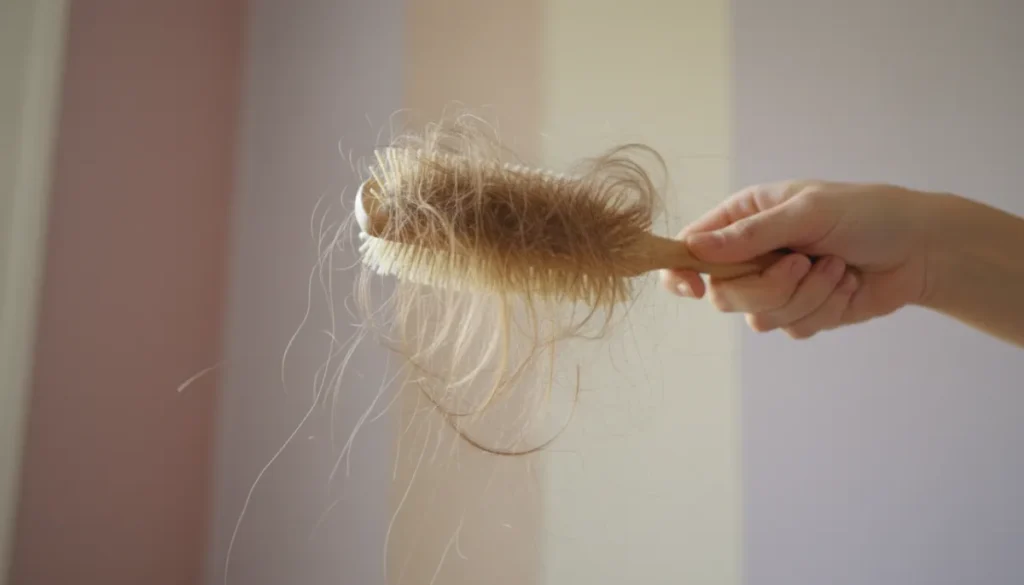
After the triggering event, hair shedding generally begins 2–3 months later and can last for up to 6 months. Most individuals notice a sudden increase in hair on the pillow, in the shower, or on the brush. The condition is often described as “diffuse” because it affects the entire scalp rather than specific pattern areas.
Symptoms and Signs
Key symptoms include:
- Increased hair shedding without visible bald patches
- Mild thinning across the crown and frontal scalp
- Hair strands that feel fine or brittle
Because telogen effluvium is usually self‑limiting, many patients experience regrowth once the underlying cause is addressed.
What Is Androgenetic Alopecia?
Androgenetic alopecia, commonly known as pattern hair loss, is a chronic condition driven by genetics and the hormone dihydrotestosterone (DHT). It affects both men and women, though the pattern of loss differs between sexes.
Genetic and Hormonal Factors
The follicles in genetically susceptible scalp regions become miniaturized under the influence of DHT. Over time, these follicles produce thinner, shorter hairs until they stop producing visible hair altogether.
Pattern of Hair Loss
- Men: Receding hairline at the temples and thinning at the vertex, often forming a characteristic “M” shape.
- Women: Diffuse thinning over the crown while preserving the frontal hairline, known as the “Christmas tree” pattern.
Progression
Unlike telogen effluvium, androgenetic alopecia is progressive and can continue for decades. Early stages may be subtle, but without treatment, the density loss becomes more pronounced over time.
Because the condition is hormonally mediated, treatments aim to block DHT, stimulate follicular activity, or replace lost hair through transplantation.
Key Differences Between Telogen Effluvium and Androgenetic Alopecia
Distinguishing telogen effluvium vs androgenetic alopecia is critical for selecting the appropriate therapy. Below is a concise comparison of the two conditions.
| Aspect | Telogen Effluvium | Androgenetic Alopecia |
|---|---|---|
| Cause | Stress, illness, hormonal shifts, medications | Genetic susceptibility + DHT |
| Onset | Sudden, 2–3 months after trigger | Gradual, over years |
| Pattern | Diffuse shedding across scalp | Patterned (temple recession, crown thinning) |
| Hair Follicle State | Follicles in telogen phase, viable | Follicles miniaturized, may become dormant |
| Recovery | Typically regrows within 6–12 months | Progressive; requires ongoing treatment |
Other distinguishing clues include the presence of a “shedding phase” in telogen effluvium, whereas androgenetic alopecia rarely presents with sudden massive shedding. Laboratory tests may reveal thyroid abnormalities in telogen effluvium but are usually normal in pattern loss.
How Professionals Diagnose the Condition
Accurate diagnosis begins with a thorough medical history and scalp examination. Dermatologists and hair‑restoration specialists at Gold City Medical Center use several tools to differentiate telogen effluvium from androgenetic alopecia.
Clinical Evaluation
- Patient questionnaire covering recent stressors, illnesses, medications, and family history of hair loss.
- Visual inspection of scalp pattern and density.
- Hair pull test: gentle tug on a cluster of hairs to assess active shedding.
Trichoscopy
Trichoscopy (scalp dermoscopy) provides magnified images of follicular openings. In telogen effluvium, the examiner sees numerous empty follicles (telogen hairs) without miniaturization. In androgenetic alopecia, miniaturized hairs and perifollicular scaling are common.
Laboratory Tests
Blood work may include thyroid panel, iron studies, and hormonal levels to rule out systemic causes of telogen effluvium. Genetic testing is rarely required for androgenetic alopecia but can be discussed for family‑risk assessment.
Scalp Biopsy (Rare)
In ambiguous cases, a small punch biopsy can reveal the proportion of hairs in the telogen phase versus miniaturized follicles, providing definitive differentiation.
Early and precise diagnosis enables targeted telogen effluvium treatment or appropriate hair‑loss therapies for androgenetic alopecia.
Treatment Options for Each Condition
Effective management depends on correctly identifying whether you are facing telogen effluvium or androgenetic alopecia. Below are evidence‑based strategies offered at Gold City Medical Center.
Telogen Effluvium Treatment
- Address Underlying Cause: Treat thyroid disorders, adjust medications, or manage nutritional deficiencies.
- Stress Reduction: Cognitive‑behavioral therapy, mindfulness, and regular exercise can shorten the shedding phase.
- Topical Support: Gentle, sulfate‑free shampoos and scalp‑stimulating serums containing biotin or peptides.
- Supplements: Iron, zinc, vitamin D, and omega‑3 fatty acids, as recommended after lab testing.
Androgenetic Alopecia Treatment
- Medical Therapy: FDA‑approved finasteride (for men) and topical minoxidil (for both sexes) to block DHT and stimulate growth.
- Low‑Level Laser Therapy (LLLT): Non‑invasive devices that improve cellular metabolism in hair follicles.
- Platelet‑Rich Plasma (PRP): Autologous injections that deliver growth factors to rejuvenate miniaturized follicles.
- Hair Transplant Surgery: Follicular unit extraction (FUE) performed by our certified surgeons for permanent restoration.
Patients with chronic telogen effluvium may benefit from a combination of stress management, nutritional support, and periodic monitoring to ensure the shedding resolves. For androgenetic alopecia, early intervention with medical therapy can preserve existing hair and improve outcomes of later surgical procedures.
Why Choose Gold City Medical Center
Gold City Medical Center combines integrative medicine with cutting‑edge cosmetic solutions, offering a comprehensive approach to hair health. Our team of board‑certified dermatologists, trichologists, and experienced hair‑transplant surgeons utilizes advanced diagnostics, personalized treatment plans, and state‑of‑the‑art technology. Whether you need to halt a stressful shedding episode or restore a lifelong pattern loss, we provide evidence‑based care in a supportive environment.
Ready to take control of your hair health? Contact Gold City Medical Center today to schedule a personalized consultation and discover the most effective solution for your unique situation.
Experience professional expertise, tailored treatment, and lasting results—your journey to healthier hair starts now.
FAQ
What is the difference between telogen effluvium and androgenetic alopecia?
Telogen effluvium is a temporary, diffuse shedding caused by stress or illness, while androgenetic alopecia is a chronic, pattern‑type loss driven by genetics and DHT.
How long does telogen effluvium typically last?
It usually begins 2–3 months after a trigger and can persist for up to 6 months, with regrowth often occurring within 6–12 months.
What are common triggers for telogen effluvium?
Severe physical or emotional stress, acute illness, hormonal changes, certain medications, and rapid weight loss are typical triggers.
How is androgenetic alopecia diagnosed?
Through medical history, pattern assessment, trichoscopy, and sometimes lab tests to rule out other causes.
What treatment options are available for telogen effluvium?
Address the underlying cause, stress management, gentle hair care, and targeted supplements are the main approaches.
What medical therapies are effective for androgenetic alopecia?
Finasteride, topical minoxidil, low‑level laser therapy, PRP injections, and hair transplant surgery are proven options.





