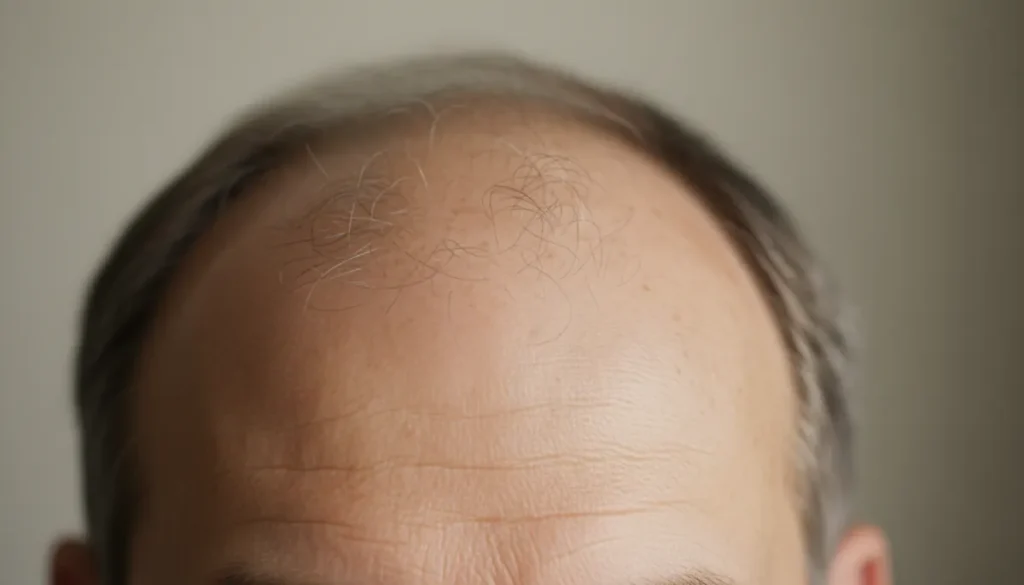
Temple alopecia is a specific pattern of hair loss that affects the sideburn and frontal temple areas, creating a noticeable bald spot near the hairline. This condition is often an early sign of broader hair‑thinning patterns such as male pattern baldness or androgenetic alopecia. For many individuals, the appearance of thinning hair at the temples can be distressing, prompting a search for reliable information and effective solutions.
In this article, we explore what temple alopecia looks like, why it occurs, and how qualified professionals can diagnose and treat it. By understanding the underlying mechanisms, you can make informed decisions about medical, cosmetic, or surgical options that suit your personal goals.
Recent studies show that up to 30 % of men notice temple thinning before the age of 35, highlighting the importance of early detection and intervention. Whether you are experiencing subtle hair thinning or a more pronounced bald spot, the following sections will guide you through the essential aspects of temple alopecia and the pathways to restore confidence in your appearance.
What Is Temple Alopecia and Who Is Affected?
Temple alopecia refers to hair loss that predominantly occurs at the temples, often creating an “M‑shaped” recession of the hairline. While it can affect both men and women, the condition is most commonly associated with the early stages of androgenetic alopecia in men.
Key characteristics include:
- Gradual thinning of hair at the front‑side of the scalp.
- Visible recession of the hairline near the temples.
- Often accompanied by thinning on the crown or vertex.
Understanding who is most likely to develop temple alopecia helps target preventive measures. The following table outlines typical demographic patterns compared with other hair‑loss types.
| Condition | Typical Age of Onset | Gender Predominance | Common Areas Affected |
|---|---|---|---|
| Temple Alopecia | 20‑35 years | Male > Female | Temples, frontal hairline |
| Male Pattern Baldness | 30‑50 years | Male | Crown, temples, vertex |
| Female Pattern Baldness | 40‑60 years | Female | Diffuse thinning, crown |
Underlying Causes and Risk Factors
The development of temple alopecia is rarely due to a single factor. Instead, a combination of genetic, hormonal, and environmental influences contributes to the progressive loss of hair follicles in the temple region.
Major causes include:
- Androgenetic alopecia: Sensitivity of hair follicles to dihydrotestosterone (DHT) leads to miniaturization.
- Genetic predisposition: Family history of early hair loss increases risk.
- Hormonal fluctuations: Changes in testosterone levels can accelerate thinning.
- Stress and lifestyle: Chronic stress, poor nutrition, and smoking may exacerbate hair loss.
- Medical conditions: Thyroid disorders, iron deficiency, and autoimmune diseases can mimic or worsen temple alopecia.
The table below matches each cause with its primary mechanism, helping you understand how each factor influences hair health.
| Cause | Mechanism | Impact on Temples |
|---|---|---|
| Androgenetic alopecia | DHT binds to follicle receptors | Accelerated miniaturization at temples |
| Genetic predisposition | Inherited follicle sensitivity | Early onset of recession |
| Stress | Telogen effluvium triggers shedding | Temporary but noticeable thinning |
| Nutrient deficiency | Reduced keratin production | Diffuse thinning, accentuated at temples |
How Professionals Diagnose Temple Alopecia
Accurate diagnosis is essential for selecting the most effective treatment plan. Dermatologists and hair‑restoration specialists use a combination of visual assessment, specialized equipment, and laboratory tests to differentiate temple alopecia from other scalp conditions.
Typical diagnostic steps include:
- Clinical examination of the scalp and hair density.
- Trichoscopy (dermoscopic imaging) to view follicle health.
- Blood tests to check hormone levels, iron, and thyroid function.
- Scalp biopsy in ambiguous cases to examine follicle structure.
The following comparison chart outlines the strengths of each diagnostic tool.
| Method | What It Reveals | Advantages | Limitations |
|---|---|---|---|
| Clinical exam | Pattern of hair loss | Quick, non‑invasive | Subjective interpretation |
| Trichoscopy | Follicle miniaturization, inflammation | High detail, immediate | Requires equipment |
| Blood tests | Hormonal and nutritional status | Identifies systemic causes | May miss localized issues |
| Scalp biopsy | Histological follicle condition | Definitive diagnosis | Invasive, requires healing time |
Effective Treatment Options: Medical, Cosmetic, and Surgical
Once temple alopecia is confirmed, a range of treatments can be tailored to the severity of thinning and the patient’s preferences. Options span from topical medications to advanced surgical procedures.
Medical therapies:
- Minoxidil (2 % or 5 % solution): Stimulates follicle activity and prolongs the growth phase.
- Finasteride (1 mg daily): Reduces DHT production, slowing follicle miniaturization.
- Low‑level laser therapy (LLLT): Improves blood flow and cellular metabolism.
Cosmetic interventions:
- Platelet‑rich plasma (PRP) injections: Concentrated growth factors promote healing and regeneration.
- Scalp micro‑needling: Enhances absorption of topical agents.
Surgical solutions:
- Hair transplant (FUE or FUT): Relocates healthy follicles from the donor area to the temples, delivering permanent density.
- Scalp micropigmentation: Creates the illusion of fuller hair using specialized pigments.
The table below compares the main treatments based on efficacy, maintenance, and typical cost range.
| Treatment | Effectiveness | Maintenance | Typical Cost (EUR) |
|---|---|---|---|
| Minoxidil | Moderate | Daily application | 30‑80 per month |
| Finasteride | High (when combined) | Daily oral dose | 20‑50 per month |
| PRP | Moderate‑high | Every 3‑4 months | 300‑600 per session |
| Hair Transplant (FUE) | Very High | One‑time procedure | 2,500‑6,000 |
| Scalp Micropigmentation | Low‑moderate (esthetic) | Every 1‑2 years | 800‑2,000 |
Preventive Care and Lifestyle Tips to Slow Hair Thinning
While medical interventions are powerful, everyday habits play a crucial role in maintaining scalp health and slowing the progression of temple alopecia.
Adopt these evidence‑based practices:
- Consume a balanced diet rich in protein, iron, zinc, and omega‑3 fatty acids.
- Avoid excessive heat styling and tight hairstyles that pull on the temples.
- Manage stress through regular exercise, mindfulness, or yoga.
- Limit smoking and alcohol consumption, both of which can impair blood flow to hair follicles.
- Use gentle, sulfate‑free shampoos and consider scalp massage to stimulate circulation.
Regular follow‑up appointments with a hair‑restoration specialist enable early detection of changes and timely adjustments to your treatment plan.
Why Choose Gold City Medical Center for Temple Alopecia Treatment
Gold City Medical Center combines cutting‑edge technology with a holistic approach to hair restoration. Our team of board‑certified dermatologists and experienced surgeons offers personalized assessment, advanced diagnostics, and a full spectrum of medical, cosmetic, and surgical solutions. With a reputation for meticulous care and proven results, we help patients regain confidence through safe and effective treatments tailored to individual needs.
Ready to restore the fullness of your temples? Contact Gold City Medical Center today to schedule a comprehensive consultation and discover the best treatment plan for you.
Take the first step toward a revitalized appearance—call us or fill out our online request form now.
FAQ
What is temple alopecia and how does it differ from male pattern baldness?
Temple alopecia is hair loss focused on the temples, often an early sign of androgenetic alopecia, while male pattern baldness includes broader thinning on the crown and vertex.
What are the common causes and risk factors for temple alopecia?
The main causes are androgenetic alopecia, genetic predisposition, hormonal changes, stress, poor nutrition, and certain medical conditions.
How is temple alopecia diagnosed by specialists?
Diagnosis involves a clinical scalp exam, trichoscopy, blood tests, and sometimes a scalp biopsy to rule out other conditions.
What medical treatments are effective for temple alopecia?
Topical minoxidil, oral finasteride, and low‑level laser therapy are the primary medical options.
Are surgical options like hair transplant suitable for temple alopecia?
Yes, hair transplant (FUE or FUT) can permanently restore density at the temples, and scalp micropigmentation offers a cosmetic alternative.
What lifestyle changes can help prevent or slow temple alopecia?
A balanced diet, stress management, avoiding harsh hairstyles, and gentle scalp care can slow progression.





