Thinning hair in teenage males is a growing concern that can affect self‑esteem during a pivotal stage of life. While many assume hair loss only begins in adulthood, hormonal shifts, genetics, and lifestyle factors can trigger noticeable shedding as early as mid‑teens. According to recent dermatology surveys, up to 15 % of boys aged 13‑19 report visible hair thinning, making early awareness essential.
This article delves into the underlying causes, identifies early warning signs, outlines medical and non‑medical treatment options, and explains how an integrative approach at Gold City Medical Center can provide personalized solutions. Whether you are a teenager, a parent, or a healthcare professional, understanding the mechanisms behind hair thinning will empower you to take proactive steps before the condition progresses.
We will explore hormonal influences, genetic predisposition, common scalp disorders such as alopecia areata, and practical lifestyle adjustments. By the end, you will have a clear roadmap for managing thinning hair in teenage males and know when to seek professional care.
Causes of Thinning Hair in Teenage Males
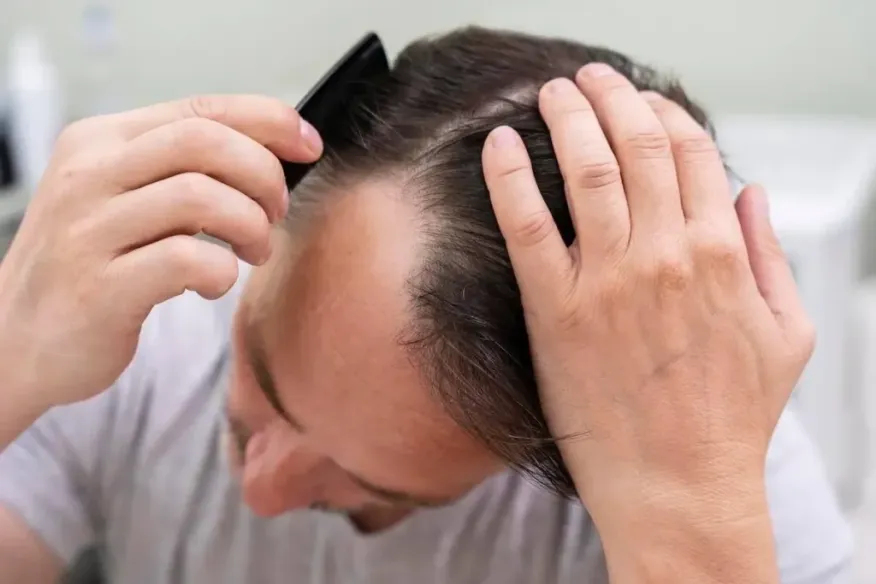
Several factors can contribute to the development of thinning hair during adolescence. Understanding these triggers helps differentiate normal shedding from a condition that may require medical attention.
Hormonal Changes
During puberty, the body experiences a surge in androgens, particularly dihydrotestosterone (DHT). DHT binds to hair‑follicle receptors, shortening the growth phase (anagen) and accelerating the shedding phase (telogen). This process, known as androgenic alopecia, can manifest as diffuse thinning on the front and top of the scalp.
Genetic Predisposition
Family history remains a strong predictor of early hair loss. If a father or grandfather experienced male pattern baldness, a teenager may inherit the same susceptibility. The genetic component influences how sensitive hair follicles are to DHT, often resulting in the classic “M‑shaped” recession pattern.
Medical Conditions
Autoimmune disorders such as alopecia areata cause sudden, patchy hair loss that can affect any age group, including teens. Another condition, telogen effluvium, is triggered by stress, illness, or rapid weight loss, leading to a temporary increase in shedding.
Nutrition and Lifestyle
Deficiencies in iron, zinc, vitamin D, and protein can impair hair‑follicle health. Additionally, high‑stress environments—common in academic settings—can exacerbate hormonal imbalances, accelerating thinning.
- Hormonal surge (DHT increase)
- Family history of male pattern baldness
- Autoimmune conditions (e.g., alopecia areata)
- Telogen effluvium from stress or illness
- Nutrient deficiencies (iron, zinc, vitamin D)
Recognizing Early Signs and When to Seek Help
Identifying hair loss early can prevent more extensive thinning and improve treatment outcomes. Below are key visual cues and practical steps for assessment.
Visual Indicators
Typical early signs include:
- Increased visibility of the scalp, especially on the forehead and crown.
- Widening part lines or a receding hairline.
- Noticeable shedding of more than 100 hairs per day during washing.
Scalp Examination
Gently part the hair in multiple directions. If the scalp appears pink and smooth without inflammation, the issue is likely non‑infectious. Persistent redness, scaling, or pustules may indicate an underlying dermatological condition requiring specialist care.
| Feature | Normal Shedding | Concerning Thinning |
|---|---|---|
| Hair count per wash | 50‑100 hairs | Over 100 hairs |
| Scalp visibility | Minimal | Visible in multiple zones |
| Rate of change | Gradual | Rapid over weeks |
If any of these red flags appear, scheduling a consultation with a qualified dermatologist or a hair‑restoration specialist is advisable. Early intervention can halt progression and, in many cases, stimulate regrowth.
Treatment Options Tailored for Teens
Effective management of thinning hair in teenage males often combines medical therapies with lifestyle adjustments. The goal is to preserve existing follicles, stimulate regrowth, and address any underlying health issues.
Topical Solutions
Minoxidil (2 % or 5 % solution) is the only FDA‑approved topical agent for male pattern hair loss. It works by prolonging the anagen phase and increasing follicular size. For teens, a dermatologist will determine the appropriate concentration and monitor for scalp irritation.
Oral Medications
Finasteride, a 5‑α‑reductase inhibitor, reduces DHT production. However, it is typically prescribed only for patients 18 years and older due to hormonal considerations. In exceptional cases, a specialist may consider off‑label use under strict supervision.
Advanced Therapies
Low‑level laser therapy (LLLT) and platelet‑rich plasma (PRP) injections have shown promise in stimulating hair‑follicle activity without systemic side effects. These procedures are non‑invasive and can be incorporated into a teen‑friendly treatment plan.
- Minoxidil topical solution – daily application
- Finasteride – oral, age‑restricted
- LLLT – 2‑3 sessions per week
- PRP – quarterly injections
- Combination therapy – often yields best results
Choosing the right regimen requires a thorough evaluation of hormone levels, scalp health, and personal preferences. A customized plan maximizes efficacy while minimizing potential side effects.
Lifestyle and Home Care Strategies
Beyond clinical interventions, everyday habits play a crucial role in maintaining hair density during adolescence.
Nutrition
Hair is primarily made of keratin, a protein that requires adequate amino acids, iron, zinc, and biotin. Incorporate foods such as eggs, fish, legumes, nuts, and leafy vegetables. A daily multivitamin may help fill minor gaps, but it should complement—not replace—a balanced diet.
Stress Management
Chronic stress elevates cortisol, which can disrupt the hair‑growth cycle. Techniques such as mindfulness meditation, regular physical activity, and adequate sleep (8‑10 hours) are essential for hormonal balance.
Proper Hair Care
Avoid tight hairstyles, excessive heat, and harsh chemical treatments. Use a mild, sulfate‑free shampoo and condition regularly to keep the scalp moisturized. Gentle brushing with a wide‑tooth comb reduces mechanical stress on fragile follicles.
- Eat protein‑rich foods (fish, eggs, beans)
- Include iron‑rich sources (spinach, red meat)
- Manage stress with yoga or sports
- Sleep 8‑10 hours per night
- Use gentle, sulfate‑free hair products
Consistent adherence to these habits not only supports hair health but also improves overall well‑being—a vital consideration for teenagers navigating academic and social pressures.
What to Expect from a Consultation at Gold City Medical Center
At Gold City Medical Center, our integrative approach combines cutting‑edge diagnostics with personalized treatment pathways. During the initial visit, a board‑certified dermatologist will conduct a comprehensive scalp analysis, review medical history, and order targeted blood tests to rule out hormonal imbalances or nutritional deficiencies.
Based on the findings, we develop a tailored plan that may include topical minoxidil, low‑level laser therapy, or lifestyle coaching. Throughout the process, our multidisciplinary team—comprising dermatologists, nutritionists, and mental‑health professionals—ensures that each teen receives holistic care that addresses both physical and emotional aspects of hair thinning.
Follow‑up appointments are scheduled at regular intervals to monitor progress, adjust treatments, and provide ongoing support. Our goal is to empower teenage patients to regain confidence and maintain healthy hair for the future.
Why Choose Gold City Medical Center
Gold City Medical Center offers a trusted blend of medical expertise and aesthetic sensitivity. Our state‑of‑the‑art facilities, experienced specialists, and patient‑centered philosophy make us a leading choice for those seeking effective hair‑restoration solutions. We prioritize safety, evidence‑based treatments, and transparent communication, ensuring that every teenage patient feels heard and supported throughout their journey.
Ready to take control of thinning hair in teenage males? Contact Gold City Medical Center today to schedule a personalized consultation and start your path toward healthier, fuller hair.
Call us or fill out the online form—our team is here to guide you every step of the way.
FAQ
What causes thinning hair in teenage males?
Hormonal changes, genetics, medical conditions, nutrient deficiencies, and stress can all contribute to hair thinning in teens.
How can I tell if my teen’s hair loss is normal shedding or a concerning thinning?
If more than 100 hairs are lost per wash, the scalp becomes visibly thin, or the hairline recedes rapidly, it may be a sign of concerning thinning.
Are treatments like minoxidil safe for teenagers?
Minoxidil is FDA‑approved for male pattern hair loss and can be used by teens under dermatologist supervision.
What lifestyle changes can help prevent hair thinning in teens?
A balanced diet rich in protein, iron, zinc, and vitamins, stress management, adequate sleep, and gentle hair care can support healthy hair growth.
What should I expect during a consultation at Gold City Medical Center?
A thorough scalp analysis, medical history review, possible blood tests, and a personalized treatment plan involving topical, laser, or lifestyle options.
Can low‑level laser therapy and PRP be effective for teenage hair loss?
Both LLLT and PRP have shown promise in stimulating follicle activity without systemic side effects, making them suitable options for teens.

