Many people notice tiny colorless itchy bumps on skin and wonder whether they are harmless or a sign of an underlying condition. These microscopic lesions often appear without warning, can cause persistent discomfort, and may be mistaken for insect bites or mild rashes. Understanding the root causes, recognizing distinct patterns, and knowing the right treatment pathways can prevent unnecessary worry and promote healthier skin.
In this article we will explore the most common reasons these bumps develop, how to differentiate them from similar skin issues, and the most effective treatment options—both at home and in a clinical setting. We’ll also discuss when it is essential to seek professional medical advice, especially for persistent or worsening symptoms.
According to dermatology surveys, up to 30 % of adults report occasional episodes of unexplained skin bumps, highlighting the importance of accurate information and targeted care. By the end of this guide, you will have a clear roadmap for managing tiny colorless itchy bumps on skin and maintaining smoother, more comfortable skin.
What Causes Tiny Colorless Itchy Bumps?
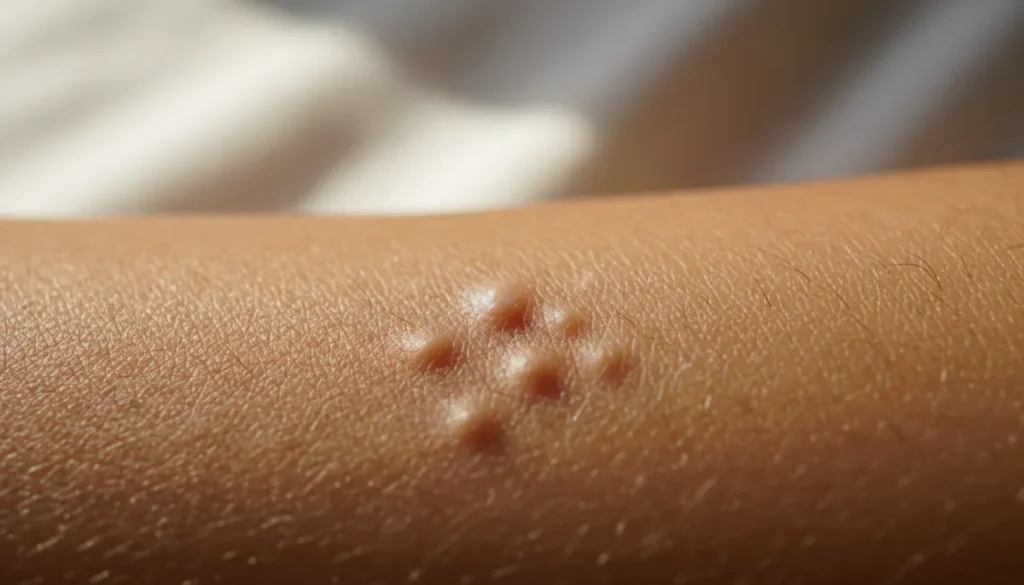
Several factors can trigger the appearance of these delicate lesions. While the exact mechanism may vary from person to person, the most frequently reported causes include:
- Keratosis pilaris – a common genetic condition where keratin builds up in hair follicles, creating a “chicken‑skin” texture.
- Dry skin – insufficient moisture can lead to irritation and the formation of small, itchy bumps.
- Allergic reactions – contact with certain fabrics, soaps, or chemicals may provoke a mild dermatitis.
- Hormonal changes – fluctuations during puberty, pregnancy, or menopause can affect skin turnover.
- Environmental factors – cold weather, low humidity, and excessive sun exposure can exacerbate skin sensitivity.
Although many of these causes are benign, they can be frustratingly persistent. Recognizing the underlying trigger is the first step toward effective management.
How to Identify and Differentiate Bumps from Other Skin Conditions
Distinguishing tiny colorless itchy bumps on skin from other dermatological issues is essential for selecting the appropriate treatment. Below is a concise comparison of the most frequently confused conditions:
| Condition | Typical Appearance | Color | Itchiness | Common Locations |
|---|---|---|---|---|
| Keratosis pilaris | Small, rough papules | Colorless or slightly pink | Mild to moderate | Upper arms, thighs, cheeks |
| Eczema (atopic dermatitis) | Red, inflamed patches | Red to brown | Often intense | Flexural areas, face |
| Insect bite | Raised welt | Red or pink | Sharp itching | Anywhere exposed |
| Folliculitis | Pus‑filled pustules | Red with white head | Variable | Shaving areas |
Key clues that point toward the harmless tiny bumps include a uniform colorless tone, a non‑painful sensation, and a distribution pattern that matches typical keratosis pilaris zones. If the lesions turn red, become painful, or spread rapidly, further evaluation may be warranted.
Effective Treatment Options and Home Care Strategies
Fortunately, most cases of tiny colorless itchy bumps on skin respond well to consistent skin‑care practices and targeted treatments. Below are proven methods endorsed by dermatologists:
- Moisturizing – Apply fragrance‑free, ceramide‑rich creams at least twice daily to restore barrier function.
- Gentle exfoliation – Use a mild alpha‑hydroxy acid (AHA) or lactic acid lotion 2–3 times per week to loosen keratin plugs.
- Prescription topicals – For stubborn keratosis pilaris, a dermatologist may recommend retinoid creams (e.g., tretinoin) to promote cell turnover.
- Anti‑inflammatory agents – Low‑dose hydrocortisone can reduce occasional redness and itching.
- Lifestyle adjustments – Wearing breathable fabrics, avoiding hot showers, and maintaining adequate hydration support skin health.
Consistency is crucial; noticeable improvement typically appears after 4–6 weeks of diligent care. Patients who combine moisturization with gentle exfoliation often experience the smoothest results.
When to Seek Professional Medical Advice
While many skin bumps are benign, certain warning signs indicate that professional evaluation is needed. Seek medical attention if you notice any of the following:
- Rapid increase in size or number of bumps.
- Persistent redness, swelling, or pain.
- Signs of infection such as pus, warmth, or fever.
- Development of scarring or hyperpigmentation.
- Uncertainty about the diagnosis despite home care.
At Gold City Medical Center, our integrative approach combines dermatological expertise with personalized treatment plans. Our specialists can perform a thorough skin assessment, order targeted tests if necessary, and prescribe advanced therapies—including laser resurfacing or prescription‑strength retinoids—to achieve optimal results.
Preventive Measures and Lifestyle Tips
Prevention is often the most effective strategy. Incorporating the following habits into your daily routine can reduce the likelihood of developing new bumps:
- Maintain a balanced diet rich in omega‑3 fatty acids, vitamins A, C, and E to support skin regeneration.
- Stay hydrated; aim for at least eight glasses of water per day.
- Use a humidifier during dry winter months to keep skin moisture levels stable.
- Avoid harsh soaps and opt for pH‑balanced cleansers.
- Protect skin from excessive sun exposure with a broad‑spectrum SPF 30+ sunscreen.
By adopting these simple measures, you empower your skin’s natural resilience and minimize the recurrence of tiny colorless itchy bumps on skin.
Why Choose Gold City Medical Center
Gold City Medical Center offers a comprehensive, integrative approach to dermatology, combining state‑of‑the‑art medical treatments with personalized wellness plans. Our team of certified dermatologists, aesthetic specialists, and support staff work together to deliver safe, effective solutions tailored to each patient’s unique skin needs. With a focus on evidence‑based care and patient education, we ensure you receive the highest standard of treatment in a comfortable, modern environment.
Ready to regain smooth, comfortable skin? Contact Gold City Medical Center today to schedule a personalized consultation. Our experts will assess your condition and design a treatment plan that fits your lifestyle.
FAQ
What causes tiny colorless itchy bumps on skin?
Common causes include keratosis pilaris, dry skin, allergic reactions, hormonal changes, and environmental factors.
How can I differentiate these bumps from eczema or insect bites?
Look for color, itch intensity, and location; bumps are usually colorless, mildly itchy, and appear on typical keratosis pilaris areas.
What home‑care treatments are most effective for these bumps?
Regular moisturizing, gentle exfoliation with AHA or lactic acid, and occasional prescription topicals work best.
When should I see a dermatologist for these bumps?
Seek professional help if bumps increase rapidly, become painful, red, infected, or cause scarring.
What preventive measures can reduce the recurrence of these bumps?
Maintain a balanced diet, stay hydrated, use a humidifier, choose gentle cleansers, and protect skin with SPF.
Why choose Gold City Medical Center for treating skin bumps?
Gold City offers integrative dermatology with personalized treatment plans and advanced therapies.





