When it comes to managing a fatty liver, finding the best liver supplements for fatty liver can feel overwhelming. A growing number of people are looking for safe, effective ways to protect their liver while they work on lifestyle changes. In fact, recent studies show that up to 30% of adults have some degree of non‑alcoholic fatty liver disease (NAFLD), making liver health a public‑health priority.
This article explains how specific nutrients and herbal extracts can aid liver function, what scientific evidence supports their use, and how to integrate them into a comprehensive plan that includes diet, exercise, and regular medical monitoring. By the end, you’ll understand which supplements have the strongest research backing, how to dose them safely, and which lifestyle habits amplify their benefits.
Whether you’ve just received a diagnosis or you’re looking to maintain a healthy liver, the information below will guide you toward evidence‑based choices. Let’s explore the role of supplements, the top options available, and practical steps you can take today.
Understanding Fatty Liver and the Role of Supplements
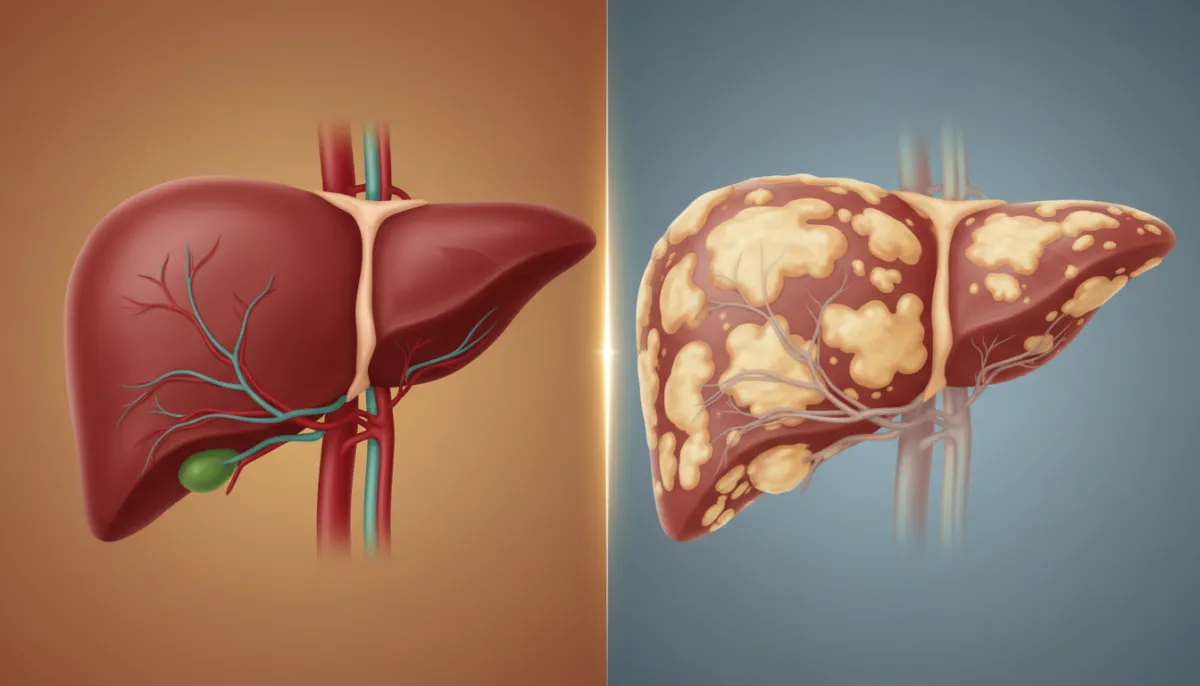
Fatty liver disease, particularly NAFLD, occurs when excess fat accumulates in liver cells. This condition often coexists with obesity, insulin resistance, and metabolic syndrome. While weight loss and a balanced diet are the cornerstones of treatment, certain nutrients can support liver regeneration, reduce oxidative stress, and improve insulin sensitivity.
What Is NAFLD?
NAFLD ranges from simple steatosis (fat accumulation) to non‑alcoholic steatohepatitis (NASH), which can progress to fibrosis or cirrhosis. Early intervention is crucial because liver damage is often silent until advanced stages develop.
How Supplements Help
Supplements work by targeting key pathways:
- Antioxidant protection – neutralising free radicals that damage liver cells.
- Anti‑inflammatory effects – reducing chronic inflammation that drives fibrosis.
- Improving lipid metabolism – helping the liver break down and export fat.
- Supporting detoxification enzymes – enhancing the liver’s natural cleansing processes.
Research consistently highlights a handful of compounds that influence these mechanisms. When combined with a fatty liver diet rich in fibre, omega‑3 fatty acids, and low‑glycaemic foods, these supplements can accelerate improvement.
Top Clinically‑Backed Supplements for Fatty Liver
Below is a comparison of the most studied supplements that have shown promise in clinical trials for reducing liver fat and improving liver enzyme levels. While each has unique benefits, many practitioners recommend a combination tailored to individual needs.
| Supplement | Key Active Ingredient | Typical Dose | Primary Benefit | Evidence Level |
|---|---|---|---|---|
| Milk Thistle | Silymarin | 200–400 mg, 2–3 times daily | Antioxidant, cell‑membrane protection | Moderate (multiple RCTs) |
| Omega‑3 Fatty Acids | Eicosapentaenoic Acid (EPA) & DHA | 1–3 g daily | Improves lipid metabolism, reduces inflammation | High (meta‑analysis) |
| Vitamin E | Alpha‑tocopherol | 800 IU daily | Powerful antioxidant, improves liver enzymes | High (NASH trials) |
| N‑Acetylcysteine (NAC) | Acetylated cysteine | 600–1200 mg daily | Boosts glutathione, reduces oxidative stress | Moderate (small RCTs) |
| Phosphatidylcholine | Essential phospholipid | 1–2 g daily | Supports cell‑membrane repair, enhances fat export | Low‑moderate (pilot studies) |
These options collectively represent the best liver supplements for fatty liver according to current evidence. When selecting a product, look for standardized extracts (e.g., 80% silymarin for milk thistle) and third‑party testing to ensure purity.
How to Choose the Right Dose and Formulation
Even the most effective supplement can fall short if taken in the wrong amount or form. Proper dosing maximises therapeutic benefits while minimising side effects.
Recommended Dosage Guidelines
Clinical studies often use the following ranges:
- Milk Thistle: 200–400 mg of silymarin, divided into two or three doses.
- Omega‑3: 1–3 g of combined EPA/DHA, preferably with meals to improve absorption.
- Vitamin E: 800 IU for adults with confirmed NASH; higher doses may increase bleeding risk.
- N‑Acetylcysteine: 600–1200 mg, taken once or split into two doses.
- Phosphatidylcholine: 1–2 g, usually in capsule form.
These doses are general guidelines. Individual needs can vary based on age, weight, existing medical conditions, and concurrent medications. Always discuss supplement plans with a healthcare professional, especially if you are on anticoagulants or have thyroid disorders.
Factors to Consider When Selecting a Product
Key considerations include:
- Purity and Certification – Choose brands that provide third‑party testing (e.g., USP, NSF).
- Formulation – Liposomal or enteric‑coated forms may improve bioavailability for certain compounds.
- Allergen Profile – Ensure the product is free from common allergens if you have sensitivities.
- Synergy – Some formulations combine silymarin with phosphatidylcholine to enhance absorption.
By aligning the dosage with your specific health profile, you increase the likelihood of seeing measurable improvements in liver enzymes and imaging studies.
Lifestyle and Dietary Strategies Complementing Supplements
Supplements work best when paired with a liver‑friendly lifestyle. Below are evidence‑based recommendations that reinforce the benefits of the best liver supplements for fatty liver.
Key Dietary Patterns
The Mediterranean diet consistently ranks as one of the most effective eating plans for reducing liver fat. It emphasizes:
- Extra‑virgin olive oil as the primary fat source.
- Plenty of leafy greens, tomatoes, and berries (rich in antioxidants).
- Fish rich in omega‑3 fatty acids at least twice weekly.
- Whole grains and legumes for fiber.
- Limited red meat, processed foods, and added sugars.
Other supportive foods include:
- Beetroot and carrots – natural sources of beta‑carotene.
- Green tea – contains catechins that aid detoxification.
- Garlic – supports hepatic enzyme activity.
Physical Activity and Weight Management
Moderate‑intensity aerobic exercise (150 minutes per week) and resistance training improve insulin sensitivity and promote fat loss, directly influencing liver fat content. Even a 5–10% reduction in body weight can lead to significant improvements in liver enzymes.
Combining these habits with the supplements listed above creates a synergistic effect, often leading to faster reversal of fatty liver signs.
Common Myths and Safety Considerations
Amid the surge of “liver cleanse” products, many myths persist that can mislead patients.
Myth: Detox Pills Quickly Clean the Liver
There is no scientific evidence that short‑term detox regimens or “liver cleanse” kits remove fat or toxins. The liver’s natural detoxification pathways are supported by adequate nutrition and, when needed, targeted supplements such as NAC or silymarin. Relying solely on detox pills may delay proper medical evaluation.
Myth: High‑Dose Vitamin E Is Harmless
While vitamin E shows benefit in NASH, excessive intake (>1000 IU daily) can increase bleeding risk and may affect prostate health in men. Staying within the clinically studied range (800 IU) is essential.
Safety Tips
- Consult a physician before starting any supplement, especially if you have diabetes, thyroid disease, or are pregnant.
- Monitor liver enzymes (ALT, AST) every 3–6 months to gauge response.
- Avoid combining multiple high‑dose antioxidants without professional guidance.
- Be cautious of products marketed as “miracle liver detox” – many contain undisclosed stimulants.
By separating fact from fiction and adhering to evidence‑based dosing, you can safely incorporate the best liver supplements for fatty liver into a broader health plan.
Why Choose Gold City Medical Center
Gold City Medical Center offers an integrative approach that combines cutting‑edge medical assessments with personalized nutrition and supplement plans. Our team of hepatology specialists, nutritionists, and wellness coaches works together to create a tailored strategy for each patient, ensuring that supplement choices align with your overall health profile. With state‑of‑the‑art diagnostics and a commitment to evidence‑based care, we help you achieve lasting liver health while supporting your broader wellbeing goals.
Ready to take control of your liver health? Contact Gold City Medical Center today to schedule a comprehensive liver assessment and receive a customized supplement plan.
Experience professional guidance, advanced testing, and a supportive team dedicated to your long‑term wellness.
FAQ
What are the best liver supplements for fatty liver?
The most evidence‑based supplements are milk thistle (silymarin), omega‑3 fatty acids, vitamin E, N‑acetylcysteine (NAC) and phosphatidylcholine.
How much milk thistle should I take for NAFLD?
Typical dosing is 200–400 mg of silymarin, taken two to three times daily.
Can omega‑3 fatty acids improve liver fat?
Yes, 1–3 g of EPA/DHA daily has been shown to reduce liver fat and inflammation.
Is high‑dose vitamin E safe for fatty liver patients?
Only the studied dose of 800 IU daily is considered safe; higher doses increase bleeding risk.
How do I know if a liver supplement is high quality?
Look for third‑party testing, standardized extracts, and clear labeling of active ingredients.
What lifestyle changes complement liver supplements?
Adopt a Mediterranean‑style diet, exercise regularly, and aim for modest weight loss.
Are “liver detox” pills effective for fatty liver?
No, there is no scientific evidence that short‑term detox pills remove liver fat or toxins.





