The quest for the best vitamin c serum for face often begins with a promise of brighter, smoother skin. Vitamin C, a powerful antioxidant, has become a staple in modern skincare routines because it helps neutralize free radicals, supports collagen production, and improves overall skin tone. With the rising popularity of facial serums, many consumers feel overwhelmed by the sheer number of options available on the market.
In this guide, we break down the science behind vitamin C, highlight the most important factors to consider when selecting a serum, and provide practical tips for integrating it into your daily regimen. Whether you have sensitive skin, are looking for a serum that targets hyperpigmentation, or simply want to enhance your skin’s natural radiance, understanding these fundamentals will help you make an informed choice.
Recent surveys show that over 70% of skincare enthusiasts consider antioxidant serums a must‑have product, yet only a fraction know how to choose one that truly delivers results. By the end of this article, you’ll be equipped with the knowledge to select a serum that aligns with your skin goals and lifestyle.
How Vitamin C Works in Skincare
Vitamin C, also known as ascorbic acid, is a water‑soluble antioxidant that plays a critical role in protecting the skin from oxidative stress. When applied topically, it penetrates the epidermis and helps neutralize free radicals generated by UV exposure, pollution, and everyday stressors.
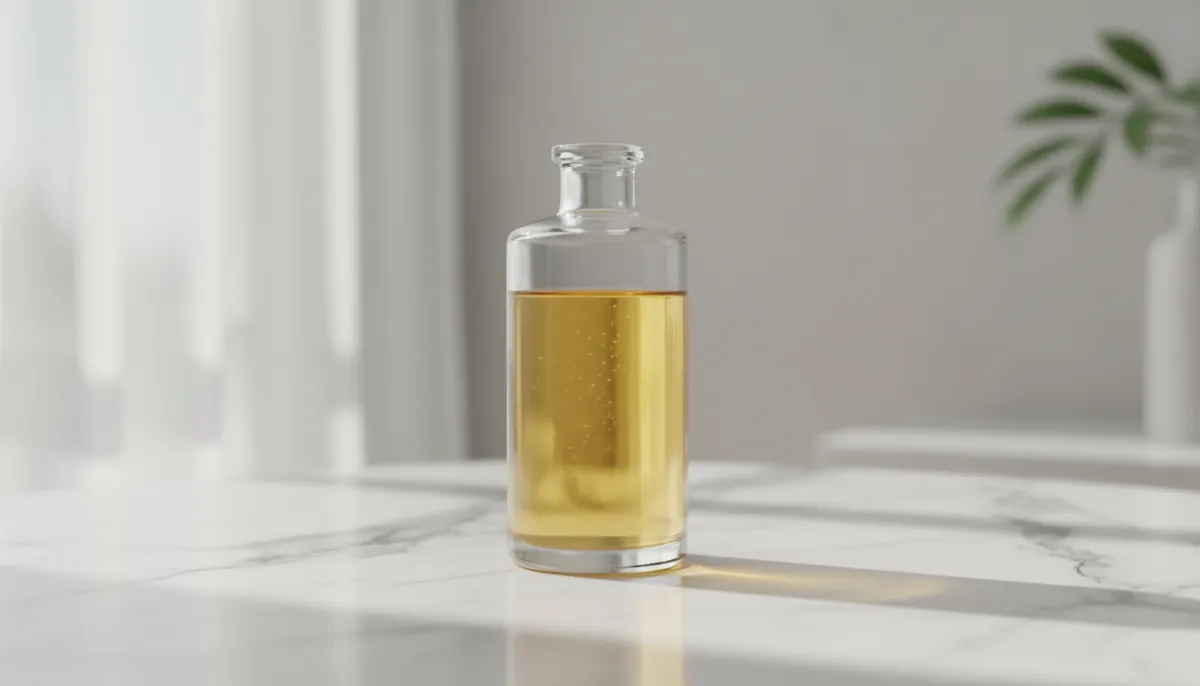
Beyond its antioxidant capacity, vitamin C stimulates fibroblasts to produce collagen, a structural protein that maintains skin elasticity and firmness. This dual action—protecting against damage while promoting repair—makes it especially effective for reducing the appearance of fine lines, improving skin texture, and fading dark spots.
When choosing a serum, look for stable forms of vitamin C such as magnesium ascorbyl phosphate, sodium ascorbyl phosphate, or tetrahexyldecyl ascorbate. These derivatives are less prone to oxidation, ensuring the product remains effective over time. Additionally, a pH level between 2.5 and 3.5 optimizes absorption, allowing the active ingredient to reach deeper layers of the skin.
Benefits Backed by Research
- Enhanced collagen synthesis for firmer skin.
- Reduction of hyperpigmentation and uneven tone.
- Improved barrier function and hydration retention.
- Protection against environmental aggressors.
Clinical studies consistently demonstrate that regular use of a well‑formulated vitamin C serum can increase skin brightness by up to 30% within eight weeks, making it a cornerstone of any anti‑aging routine.
Key Factors to Consider When Choosing a Vitamin C Serum
Selecting the best vitamin c serum for face involves more than just reading the label. Several formulation elements influence efficacy, stability, and tolerability.
Concentration: Effective serums typically contain 10%–20% vitamin C. Lower concentrations may be suitable for sensitive skin, while higher percentages deliver stronger results but can increase the risk of irritation.
Form of Vitamin C: As mentioned, stable derivatives like magnesium ascorbyl phosphate are ideal for sensitive skin, whereas L‑ascorbic acid offers the most potent antioxidant activity when formulated correctly.
Supporting Antioxidants: Ingredients such as ferulic acid, vitamin E, and niacinamide work synergistically with vitamin C, enhancing stability and boosting overall antioxidant capacity.
Packaging: Vitamin C degrades when exposed to light and air. Look for airtight, opaque, or amber‑colored bottles that protect the formula from oxidation.
| Factor | What to Look For | Why It Matters |
|---|---|---|
| Concentration | 10%–20% vitamin C | Balances efficacy and tolerance |
| Derivative | Magnesium ascorbyl phosphate, sodium ascorbyl phosphate | Improved stability for sensitive skin |
| pH Level | 2.5–3.5 | Optimizes absorption |
| Packaging | Opaque, air‑tight pump | Prevents oxidation |
| Complementary Antioxidants | Ferulic acid, vitamin E, niacinamide | Enhances overall effectiveness |
By evaluating each of these criteria, you can narrow down the options and select a serum that aligns with your skin type and desired outcomes.
Top Ingredients and Formulations for Effective Facial Serums
Beyond vitamin C itself, the supporting matrix of a serum determines how well the active ingredient performs. A well‑balanced formula includes hydrating agents, skin‑conditioning extracts, and stabilizers.
Hydrating Bases: Hyaluronic acid, glycerin, and panthenol attract moisture, ensuring the serum feels lightweight yet plumping.
Skin‑Conditioning Extracts: Green tea, licorice root, and botanical antioxidants provide additional soothing and brightening benefits, especially for sensitive or reactive skin.
Stabilizers: Chelating agents like disodium EDTA bind metal ions that could otherwise accelerate oxidation, preserving the potency of vitamin C over time.
When reviewing product descriptions, prioritize serums that list these complementary ingredients early in the ingredient list, indicating a higher concentration relative to fillers.
Sample Ingredient Profile
- Vitamin C (Magnesium Ascorbyl Phosphate) – 15%
- Ferulic Acid – 0.5%
- Vitamin E (Tocopherol) – 1%
- Hyaluronic Acid – 2%
- Green Tea Extract – 0.3%
- Panthenol – 0.5%
- Glycerin – 5%
- Distilled Water – Balance
This blend delivers antioxidant protection, hydration, and a stable environment for the active vitamin C, making it an excellent choice for most skin types.
Application Tips and Routine Integration for Best Results
Even the most advanced formula will fall short if applied incorrectly. Proper usage maximizes absorption and minimizes irritation.
Cleanse First: Use a gentle, pH‑balanced cleanser to remove impurities. Pat skin dry—serum penetrates best on slightly damp skin.
Use the Right Amount: Typically 2–3 drops are sufficient for the entire face. Over‑application does not increase efficacy and may cause excess residue.
Layer Correctly: Apply the serum after cleansing and before moisturizers or sunscreen. Allow 30–60 seconds for absorption to avoid dilution.
Frequency: Start with once daily (preferably in the morning) to assess tolerance, then consider adding an evening application if skin responds well.
Sun Protection: Vitamin C can make the skin more responsive to UV damage; always follow with a broad‑spectrum sunscreen of SPF 30 or higher.
Step‑by‑Step Routine
- Cleanse with a mild, sulfate‑free cleanser.
- Pat skin dry, leaving a hint of moisture.
- Apply 2–3 drops of the serum, gently pressing it into the skin.
- Wait 1 minute for absorption.
- Follow with a hydrating moisturizer.
- Finish with sunscreen (morning) or a night‑time barrier cream (evening).
Consistency is key; visible improvements in brightness and texture typically appear after 4–6 weeks of regular use.
Common Mistakes and How to Avoid Them
Even seasoned skincare enthusiasts can fall into pitfalls that diminish the benefits of a high‑quality serum.
Mixing Incompatible Products: Combining vitamin C with strong acids (e.g., high‑strength AHAs) can cause irritation and reduce efficacy. Use them at separate times of day or on alternating days.
Skipping Sunscreen: Vitamin C amplifies the skin’s response to sunlight; neglecting sunscreen can lead to increased photo‑damage.
Storing Improperly: Exposure to heat, light, or air accelerates oxidation. Keep the serum in a cool, dark place and ensure the cap is tightly sealed after each use.
Using Expired Products: Vitamin C serums typically have a shelf life of 12 months after opening. Discoloration (yellowing) often signals oxidation and reduced potency.
By recognizing and correcting these common errors, you preserve the integrity of the serum and ensure your skin receives the full spectrum of benefits.
Why Choose Gold City Medical Center
At Gold City Medical Center, we combine medical expertise with cutting‑edge aesthetic care to help you achieve healthy, radiant skin. Our integrative approach means you receive personalized consultations, professional-grade treatments, and ongoing support from qualified specialists. Whether you’re exploring a vitamin C serum for daily use or seeking advanced facial rejuvenation, our team tailors solutions that align with your unique skin goals.
Trust our experienced professionals to guide you toward safe, effective products and treatments that complement your lifestyle, ensuring lasting results and confidence.
Ready to transform your complexion with the right vitamin C serum? Contact Gold City Medical Center today to schedule a personalized skin assessment and receive expert recommendations tailored to your needs.
Take the first step toward brighter, smoother skin – book your consultation now.
FAQ
What are the benefits of using a vitamin C serum on the face?
Vitamin C serums brighten skin, boost collagen, reduce fine lines, and fade hyperpigmentation.
How does the concentration of vitamin C affect its effectiveness?
Higher concentrations (10‑20%) deliver stronger results but may increase irritation, especially for sensitive skin.
Which forms of vitamin C are most stable for skincare products?
Magnesium ascorbyl phosphate, sodium ascorbyl phosphate, and tetrahexyldecyl ascorbate are the most stable derivatives.
How should I apply a vitamin C serum for best results?
Apply to clean, slightly damp skin, use 2‑3 drops, let it absorb for 30‑60 seconds, then follow with moisturizer and sunscreen.
Can I use vitamin C serum with other active ingredients like acids?
Yes, but it’s best to separate them by time of day or alternate days to avoid irritation.
How can I tell if my vitamin C serum has oxidized or expired?
A yellow or brown hue, change in smell, or reduced potency after 12 months indicates oxidation or expiration.





