Seeing a black hair follicle can be puzzling, especially when it appears on the scalp, face, or body. This article explains what a black hair follicle is, why it occurs, and how it relates to overall hair and skin health. Understanding the underlying mechanisms helps you address the issue early and avoid potential complications.
Recent dermatology studies show that changes in follicle pigmentation are often linked to inflammation, infection, or hormonal shifts. Whether you notice a single dark spot or multiple affected areas, the presence of a black hair follicle may signal a need for professional evaluation.
In the following sections we will explore the visual characteristics, common medical conditions associated with dark follicles, preventive care, and the specialized treatments offered at Gold City Medical Center. Armed with this knowledge, you can make informed decisions about your hair and skin wellbeing.
Identifying a Black Hair Follicle: Appearance and Common Causes
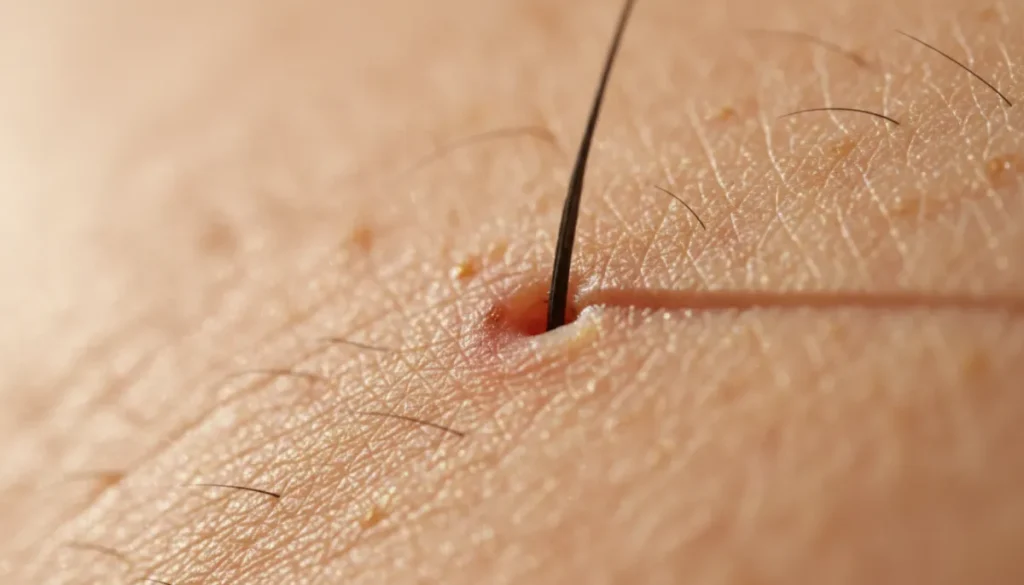
A black hair follicle typically looks like a tiny, darkened opening in the skin where a hair shaft emerges. The discoloration can range from a subtle gray‑black hue to a deep, almost ebony spot. This change often results from the accumulation of melanin, dried blood, or debris within the follicle.
Common causes include:
- Minor trauma or irritation that leads to localized bleeding.
- Excessive sebum and dead skin cells clogging the follicle.
- Inflammatory skin conditions such as acne or folliculitis.
- Hormonal fluctuations that affect hair growth cycles.
- Genetic factors influencing melanin distribution in the hair bulb.
Understanding these triggers is essential because they often overlap with broader hair loss causes such as stress, nutritional deficiencies, and thyroid imbalances. When the follicle is repeatedly inflamed, the surrounding tissue may darken, giving the appearance of a black hair follicle.
Regular skin examinations and gentle cleansing routines can reduce the likelihood of debris buildup. If you notice persistent dark spots, it is advisable to seek a professional assessment to rule out infection or underlying dermatological issues.
When a Black Hair Follicle Signals a Skin Condition
In some cases, a black hair follicle is more than a cosmetic concern—it can be an early sign of a deeper skin condition. One notable example is hidradenitis suppurativa (HS), a chronic inflammatory disease that affects hair follicles in areas such as the armpits, groin, and under the breasts. HS lesions often start as small, painful bumps that can become darkened as they fill with pus and blood.
Key symptoms to watch for alongside black follicles include:
- Recurrent painful nodules or abscesses.
- Scarring and tunnel-like tracts under the skin.
- Unexplained swelling in typical HS zones.
- Persistent odor or discharge.
Other conditions that may present with darkened follicles are:
| Condition | Typical Location | Appearance |
|---|---|---|
| Folliculitis | Scalp, beard area | Red papules that can turn black when crusted |
| Acne inversa (another term for HS) | Axillae, groin | Deep, inflamed nodules with dark centers |
| Trichostasis spinulosa | Back, chest | Clusters of tiny black hairs emerging from pores |
If you experience any of these signs, early intervention is crucial. Treatments may involve antibiotics, anti‑inflammatory medication, or surgical drainage, depending on severity. Recognizing the link between a black hair follicle and a possible skin disease enables timely medical care.
Impact on Hair Health and Strategies for Prevention
A black hair follicle can affect the surrounding hair shaft, potentially leading to thinning or breakage. When the follicle’s opening is clogged or inflamed, the hair may grow slower, become weaker, or fall out prematurely. This ties directly into broader concerns about hair loss and thinning, especially for individuals already prone to male pattern baldness or female hair fall.
Preventive strategies include:
- Gentle cleansing with sulfate‑free shampoos to keep the follicle clear.
- Regular exfoliation using mild chemical peels or enzymatic scrubs.
- Balancing diet with vitamins A, D, E, and biotin to support hair growth.
- Avoiding tight hairstyles that create friction around the follicle.
- Managing stress through meditation or exercise, as cortisol can exacerbate inflammation.
For those experiencing persistent dark follicles, a targeted scalp analysis can reveal underlying issues such as excess sebum production or microbial imbalance. Professional guidance helps tailor a regimen that addresses both the visual appearance and the health of the hair follicle.
In addition to topical care, systemic approaches—like hormonal evaluation for women with unexplained hair thinning—can uncover hidden contributors to follicle discoloration. Addressing these root causes often restores normal pigmentation and promotes healthier hair growth.
Treatment Options at Gold City Medical Center
Gold City Medical Center offers a comprehensive suite of treatments designed to address the underlying causes of black hair follicles and restore optimal skin and hair health. Our multidisciplinary team combines dermatology, cosmetic medicine, and hair transplantation expertise to create personalized care plans.
Available interventions include:
| Treatment | Purpose | Typical Sessions |
|---|---|---|
| Laser Follicle Therapy | Reduce inflammation and clear clogged pores | 3‑5 sessions |
| Medical‑Grade Chemical Peels | Exfoliate dead skin and improve pigment uniformity | 1‑3 sessions |
| Prescription Topicals (e.g., clindamycin) | Treat bacterial infection in HS or folliculitis | Daily application |
| Hair Transplant (FUE) | Restore hair density in areas affected by follicle damage | Single procedure |
| Nutritional Counseling | Support hair growth with tailored diet | Ongoing |
Our approach begins with a thorough diagnostic assessment, including dermatoscopic imaging and, when needed, laboratory tests to rule out systemic factors. Based on the findings, we recommend a combination of minimally invasive procedures and lifestyle adjustments.
Patients appreciate our integrative model, which ensures that cosmetic goals align with medical safety. By addressing inflammation, infection, and nutritional status simultaneously, we achieve lasting improvement in both follicle appearance and overall hair vitality.
Lifestyle and Home Care Tips to Keep Follicles Healthy
Beyond clinical treatments, everyday habits play a pivotal role in preventing darkened follicles. Simple adjustments to your routine can maintain the natural color and function of hair follicles.
Key recommendations:
- Hydration: Drink at least 2 liters of water daily to keep skin and scalp hydrated.
- Sun Protection: Use a broad‑spectrum sunscreen on exposed skin to prevent UV‑induced pigment changes.
- Avoid Harsh Chemicals: Limit use of strong hair dyes or bleaching agents that can irritate the follicle.
- Regular Exercise: Improves circulation, delivering nutrients to the hair bulb.
- Sleep Quality: Aim for 7‑8 hours of restorative sleep to support cellular repair.
Incorporating these practices reduces the risk of follicular inflammation and promotes a uniform hair color. For individuals with darker hair, special attention to gentle cleansing helps prevent the buildup of melanin‑rich debris that can darken the follicle opening.
Should you notice any new dark spots or changes in your scalp, schedule a check‑up at Gold City Medical Center. Early detection enables us to intervene before the condition progresses.
Why Choose Gold City Medical Center
Gold City Medical Center combines state‑of‑the‑art technology with a patient‑centered approach to deliver effective solutions for hair and skin concerns. Our team of experienced dermatologists and hair restoration specialists tailors each treatment to your unique needs, ensuring safety, comfort, and lasting results. With a focus on integrative care, we address the root causes of issues like black hair follicles rather than merely treating symptoms.
Ready to restore the natural look of your hair and skin? Contact Gold City Medical Center today to schedule a personalized consultation and take the first step toward healthier follicles.
FAQ
What causes a black hair follicle?
A black hair follicle forms when melanin, dried blood, or debris accumulates in the follicle opening.
Can a black hair follicle indicate a serious skin condition?
Yes, it can be an early sign of conditions like hidradenitis suppurativa or severe folliculitis.
How does a black hair follicle affect hair health?
It can lead to thinning, breakage, or slower hair growth due to inflammation and blockage.
What preventive measures can reduce black hair follicles?
Gentle cleansing, regular exfoliation, balanced nutrition, and stress management are key.
What treatments does Gold City Medical Center offer for black hair follicles?
Laser follicle therapy, medical‑grade chemical peels, prescription topicals, hair transplant, and nutritional counseling.
When should I schedule a professional evaluation for a black hair follicle?
If the dark spot persists for more than a week, is painful, or is accompanied by other skin symptoms.





