Many people wonder does leukemia cause hair loss and how the disease influences hair health. This article explains the relationship between leukemia and hair thinning, outlines when hair loss may appear, and describes the impact of common treatments such as chemotherapy and radiation. According to recent clinical observations, up to 30% of individuals with leukemia notice changes in hair density even before therapy begins, making early detection an important clue for diagnosis.
We will examine how leukemia disrupts normal blood and immune function, why those changes can affect the hair follicles, and what distinguishes disease‑related hair loss from treatment‑induced shedding. By understanding these mechanisms, patients and caregivers can better anticipate challenges, seek timely medical advice, and adopt supportive measures that preserve confidence and well‑being.
Whether you are newly diagnosed, undergoing treatment, or supporting a loved one, the information here will help you navigate the complex interplay between leukemia and hair health, and empower you to make informed decisions about care and lifestyle adjustments.
How Leukemia Affects the Body and Hair Growth
Leukemia is a cancer of the blood‑forming tissues, primarily the bone marrow, which produces abnormal white blood cells. These malignant cells crowd out healthy blood components, leading to anemia, immune deficiencies, and metabolic disturbances. The hair follicle, a rapidly dividing structure, relies on a steady supply of nutrients and oxygen delivered by the bloodstream. When leukemia interferes with this supply, the follicles may enter a resting phase, resulting in noticeable thinning or shedding.
Key mechanisms linking leukemia to hair loss include:
- Reduced red blood cell count – less oxygen reaches the scalp, slowing follicle activity.
- Altered hormone levels – cytokines released by leukemic cells can disrupt hormonal balance that regulates hair cycles.
- Immune system dysregulation – chronic inflammation may damage the dermal papilla, the core of the hair follicle.
- Nutrient deficiencies – anemia and malnutrition common in leukemia patients deprive hair of essential proteins and minerals.
Understanding these pathways clarifies why some patients experience hair loss even before receiving chemotherapy or radiation. Recognizing early hair changes can prompt further diagnostic testing, especially when accompanied by other warning signs such as fatigue, frequent infections, or unexplained bruising.
Hair Loss Before Treatment: Early Signs of Leukemia
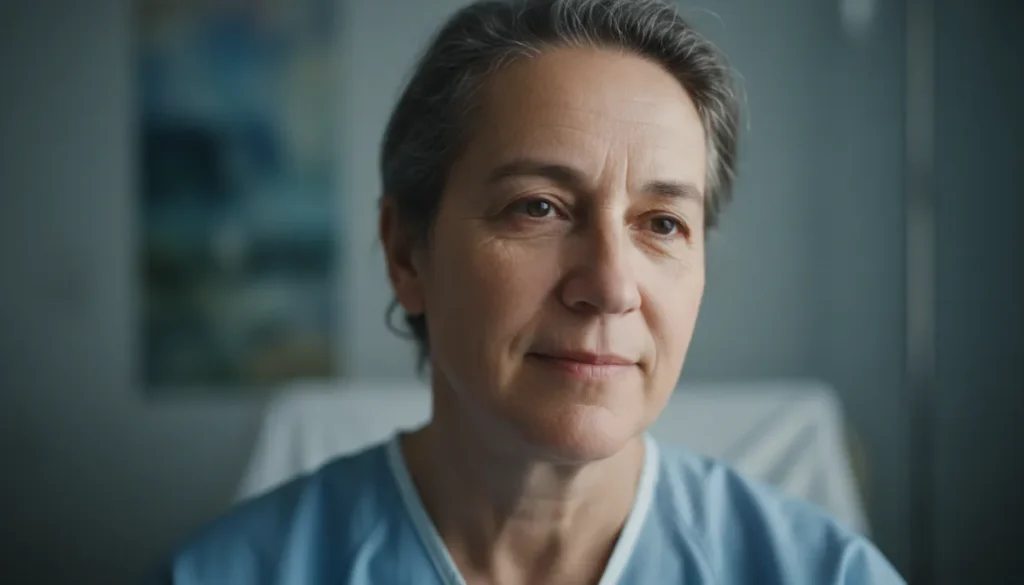
While many associate hair loss with chemotherapy, the question does leukemia cause hair loss often arises before any therapy begins. Early hair thinning can serve as a subtle indicator of underlying blood disorders. In adults, sudden diffuse shedding, known as telogen effluvium, may be linked to the disease’s systemic impact.
Patients should watch for the following patterns:
- Gradual thinning across the entire scalp rather than localized patches.
- Increased hair shedding during washing or brushing, exceeding 100 strands per day.
- Accompanying symptoms such as unexplained bruising, persistent fatigue, night sweats, or frequent infections.
When these signs appear together, a clinician may order a complete blood count (CBC) to evaluate white blood cell levels, hemoglobin, and platelet counts. Early detection of leukemia can improve treatment outcomes and reduce the duration of hair loss caused by aggressive therapies.
Impact of Chemotherapy and Radiation on Hair in Leukemia Patients
Chemotherapy and radiotherapy are cornerstone treatments for many types of leukemia, and they are well known for causing hair loss. The question does leukemia cause hair loss often extends to whether the treatment—or the disease itself—is responsible. Both modalities target rapidly dividing cells, which include hair follicle cells, leading to temporary or sometimes permanent alopecia.
Typical patterns of treatment‑related hair loss include:
| Treatment Type | Hair Loss Pattern | Typical Timeline |
|---|---|---|
| Chemotherapy (e.g., cytarabine, vincristine) | Diffuse shedding, may affect eyebrows and body hair | 2–4 weeks after first cycle |
| Radiation (cranial or total body) | Localized or total scalp loss depending on field | 1–3 weeks after exposure |
| Targeted therapies (e.g., tyrosine kinase inhibitors) | Variable; often milder thinning | Weeks to months |
Hair typically regrows within 3–6 months after treatment completion, though the texture may change—often becoming curlier or more brittle. Supportive measures such as scalp cooling, gentle hair care, and nutritional supplementation can mitigate the severity of loss and promote healthier regrowth.
Managing Hair Loss: Practical Strategies and Support
Regardless of whether hair loss stems from leukemia itself or from its treatment, patients benefit from proactive strategies to preserve scalp health and maintain confidence. Below are evidence‑based recommendations that complement medical care.
- Scalp Care – Use mild, sulfate‑free shampoos, avoid heat styling, and keep the scalp moisturized with hypoallergenic oils.
- Nutrition – Ensure adequate intake of protein, iron, zinc, and vitamins A, C, D, and E. A diet rich in lean meats, legumes, leafy greens, and nuts supports follicle regeneration.
- Scalp Cooling (Cryotherapy) – When available, cooling caps can reduce chemotherapy‑induced follicle damage by up to 50%.
- Psychological Support – Counseling, support groups, and creative outlets (e.g., art therapy) help patients cope with the emotional impact of hair loss.
- Hair Prosthetics – High‑quality wigs, hairpieces, or integrative hair transplant options offered by specialized centers can restore appearance during and after treatment.
Patients should discuss these options with their oncology team to tailor a plan that aligns with their treatment schedule and personal preferences. Early implementation often leads to better outcomes and smoother transitions during the recovery phase.
When to Seek Medical Advice and What to Expect
If you notice unexplained hair thinning, especially alongside other systemic symptoms, it is essential to consult a healthcare professional promptly. While the question does leukemia cause hair loss may be unsettling, early evaluation can differentiate disease‑related changes from treatment side effects.
During a clinical visit, expect the following steps:
- Comprehensive History – Discussion of hair changes, overall health, family history, and exposure to chemicals or radiation.
- Physical Examination – Scalp inspection, assessment of nail and skin health, and evaluation of lymph nodes.
- Laboratory Tests – CBC, peripheral blood smear, and possibly bone marrow biopsy if leukemia is suspected.
- Referral to Specialists – Hematologists, dermatologists, or trichologists may be involved to address both the oncologic and cosmetic aspects.
Timely diagnosis not only guides appropriate leukemia treatment but also opens the door to early interventions that can preserve hair and improve quality of life.
Why Choose Gold City Medical Center
Gold City Medical Center combines cutting‑edge medical expertise with a holistic approach to patient care. Our multidisciplinary team offers comprehensive oncology services, advanced hair restoration techniques, and personalized beauty treatments—all under one roof. By integrating medical and aesthetic solutions, we help patients maintain confidence throughout their health journey.
Ready to discuss your concerns about hair loss and leukemia? Contact Gold City Medical Center today for a confidential consultation and discover personalized solutions that support both your health and well‑being.
FAQ
Does leukemia cause hair loss?
Yes, leukemia can cause hair loss even before treatment begins due to blood and nutrient deficiencies.
What are the early signs of hair loss related to leukemia?
Gradual, diffuse thinning across the scalp, increased shedding during washing, and accompanying systemic symptoms.
How does chemotherapy affect hair in leukemia patients?
Chemotherapy targets rapidly dividing cells, including hair follicles, causing temporary or sometimes permanent alopecia.
What practical strategies can help manage hair loss during leukemia treatment?
Gentle scalp care, balanced nutrition, scalp cooling, psychological support, and quality wigs or hairpieces.
When should a patient seek medical advice for hair thinning?
If hair thinning appears with systemic symptoms like fatigue, bruising, or frequent infections.
Can scalp cooling reduce hair loss from chemotherapy?
Yes, scalp cooling can lower the risk of chemotherapy‑induced hair loss by up to 50% in many patients.





