Seeing red splotches on skin can be unsettling, especially when they appear suddenly or spread quickly. This article explains the most common causes, how to differentiate between similar‑looking conditions, and when professional evaluation is essential. According to dermatology surveys, up to 30 % of adults notice unexplained skin discolorations each year, highlighting the importance of accurate information.
We will explore the underlying mechanisms that produce these red patches, outline practical steps for self‑assessment, and describe treatment options that integrate modern medicine with personalized care. By the end of the reading, you will have a clear roadmap for managing skin changes confidently.
Whether the spots are itchy, painless, or accompanied by other symptoms, understanding their nature empowers you to act promptly and avoid unnecessary worry.
Common Causes of Red Splotches on Skin
Red splotches can arise from a wide spectrum of triggers, ranging from harmless allergic reactions to more serious vascular issues. Recognizing the root cause is the first step toward effective management.
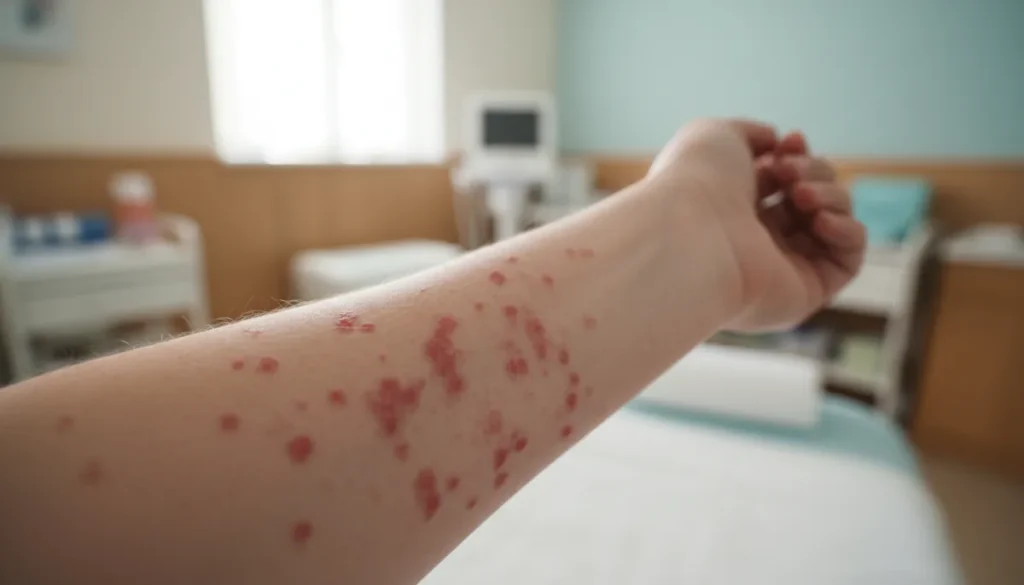
Allergic Reactions
Contact with allergens such as nickel, fragrance compounds, or certain plants can provoke an allergic skin eruption. The reaction often manifests as red, itchy patches that may develop into hives if exposure continues. Identifying and avoiding the offending substance typically resolves the rash within days.
Inflammatory Skin Conditions
Conditions like dermatitis and erythema result from inflammation of the skin layers. Atopic dermatitis, for instance, produces chronic red, scaly patches that flare with stress or irritants. Erythema multiforme presents as target‑shaped red lesions, often following infections or medications.
Vascular Issues
Small blood vessel ruptures cause petechiae, appearing as pinpoint red dots that may merge into larger splotches. These are usually painless but can signal underlying clotting disorders if they appear suddenly across the body.
Infections and Systemic Illnesses
Viral exanthems, bacterial infections, and autoimmune diseases can all produce red patches. For example, scarlet fever generates a fine, sandpaper‑like rash that starts on the neck and spreads outward.
- Allergic contact dermatitis
- Atopic dermatitis
- Erythema multiforme
- Petechial rash
- Viral exanthems (e.g., measles, rubella)
How to Differentiate Between Rash Types
Accurately distinguishing between various skin eruptions helps determine whether home care suffices or a medical visit is required. Below is a concise comparison of the most frequently confused conditions that present as red splotches.
| Condition | Typical Appearance | Common Triggers | When to Seek Care |
|---|---|---|---|
| Dermatitis | Red, scaly, sometimes weepy patches | Allergens, irritants, genetics | Spread, severe itching, infection signs |
| Petechiae | Pinpoint red dots, may cluster | Trauma, clotting disorders, infections | Sudden widespread appearance, bruising |
| Erythema Multiforme | Target lesions with concentric rings | HSV infection, certain drugs | Involvement of mucous membranes, fever |
| Urticaria (Hives) | Raised, wel‑welling red welts | Allergens, physical triggers (cold, pressure) | Persistent >24 h, breathing difficulties |
Notice how petechiae remain flat, whereas hives are raised and often migrate. Erythema multiforme’s hallmark target pattern distinguishes it from the more uniform redness of simple dermatitis. If you cannot match your symptoms to these descriptions, professional assessment is advisable.
When to Seek Medical Attention
Most red splotches are benign, but certain signs indicate that prompt medical evaluation is crucial. Ignoring warning signals may lead to complications or missed diagnoses.
- Rapid spread of red spots across the body
- Accompanying fever, joint pain, or malaise
- Persistent itching that disrupts sleep
- Signs of infection: pus, warmth, swelling
- Sudden appearance of petechiae or bruising without trauma
- Involvement of mucous membranes (inside mouth, eyes)
Patients with underlying health conditions—such as diabetes, immune disorders, or blood clotting abnormalities—should consult a dermatologist at the first sign of unusual skin changes. Early intervention can prevent progression and reduce the need for more aggressive treatments later.
Treatment Options Available at Gold City Medical Center
Gold City Medical Center offers a comprehensive suite of skin‑care services that blend evidence‑based medicine with personalized, integrative approaches. Our dermatology team evaluates each case individually to recommend the most appropriate therapy.
Topical Therapies
For mild to moderate dermatitis, prescription corticosteroid creams or calcineurin inhibitors reduce inflammation and itching. Non‑steroidal options are available for patients seeking steroid‑sparing alternatives.
Systemic Medications
Severe or widespread eruptions, such as extensive erythema multiforme, may require oral antihistamines, short courses of systemic steroids, or immunomodulatory agents. Our physicians monitor progress closely to adjust dosing and minimize side effects.
Procedural Interventions
Laser therapy, photodynamic treatment, and cryotherapy can address persistent hyperpigmentation or vascular lesions that remain after the acute phase resolves. These procedures are performed by certified specialists using state‑of‑the‑art equipment.
Integrative Support
Complementary services—including nutritional counseling, stress‑reduction techniques, and botanical skin‑care formulations—support the body’s natural healing processes. Patients often experience faster recovery when lifestyle factors are optimized alongside medical treatment.
Preventive Measures and Lifestyle Tips
While some skin reactions are unavoidable, many can be prevented through simple daily habits and awareness of triggers.
- Apply broad‑spectrum sunscreen (SPF 30+) daily to protect against UV‑induced erythema.
- Use hypoallergenic skin care products free of fragrance and parabens.
- Maintain a balanced diet rich in omega‑3 fatty acids, antioxidants, and vitamins A, C, and E.
- Stay hydrated; adequate water intake supports skin barrier function.
- Avoid prolonged exposure to extreme temperatures, which can exacerbate vascular redness.
- Practice stress‑management techniques such as mindfulness, yoga, or regular exercise.
Regular skin inspections—especially after using new cosmetics or medications—help you catch early signs of irritation before they develop into larger red splotches.
Why Choose Gold City Medical Center
Gold City Medical Center combines cutting‑edge dermatological expertise with a holistic focus on overall well‑being. Our multidisciplinary team tailors each treatment plan to the individual’s medical history, lifestyle, and aesthetic goals. With a reputation for compassionate care and state‑of‑the‑art facilities, we provide reliable solutions for skin concerns ranging from everyday rashes to complex dermatologic disorders.
Ready to address your skin concerns with confidence? Contact Gold City Medical Center today to schedule a personalized consultation and take the first step toward healthier, clearer skin.
FAQ
What are the common causes of red splotches on skin?
Red splotches can result from allergic reactions, inflammatory skin conditions, vascular issues, and infections.
How can I tell if a red spot is a rash or petechiae?
Rashes are usually raised or scaly, while petechiae are flat, pinpoint dots that do not blanch.
When should I seek medical attention for red skin patches?
Seek care if the spots spread rapidly, are accompanied by fever, joint pain, or if petechiae appear without trauma.
What treatment options are available for red skin eruptions?
Treatments include topical corticosteroids, systemic medications, laser or photodynamic therapy, and integrative support.
How can I prevent red splotches from appearing?
Use sunscreen, avoid irritants, maintain a balanced diet, stay hydrated, and manage stress.
What is the difference between dermatitis and hives?
Dermatitis is a chronic, scaly inflammation, while hives are raised, transient welts that often migrate.
Can stress cause red splotches on the skin?
Yes, stress can exacerbate inflammatory skin conditions and trigger vascular redness.





