Understanding what cancer causes hair loss is essential for patients navigating a cancer diagnosis and its treatments. Hair loss can be a distressing side effect, but knowing the underlying mechanisms helps you anticipate and manage it effectively. Approximately 1 in 5 cancer patients experience noticeable hair thinning during therapy, making it one of the most common concerns alongside fatigue and nausea.
In this article we will explore the specific cancers that are most frequently associated with hair loss, the ways chemotherapy and radiation therapy contribute to the condition, and practical strategies to protect and regrow hair. Whether you are newly diagnosed or supporting a loved one, this guide offers clear, evidence‑based information to empower you during a challenging time.
We also discuss the role of integrative care, including scalp‑protective treatments and personalized hair‑restoration options available at Gold City Medical Center, so you can make informed decisions about your health and appearance.
Types of Cancer Directly Linked to Hair Loss
While any cancer can potentially lead to hair loss through treatment, certain cancers are more commonly associated with this side effect because of the aggressive protocols they require. Below is a concise overview of the cancers most frequently linked to hair loss:
- Leukemia: Rapidly proliferating blood cancers often demand high‑dose chemotherapy, which targets rapidly dividing cells, including hair follicles.
- Lymphoma: Both Hodgkin’s and non‑Hodgkin’s lymphoma treatments involve intensive chemo regimens that can cause extensive hair shedding.
- Breast Cancer: Hormone‑sensitive and HER2‑positive subtypes may require combined chemo and targeted therapy, increasing the risk of hair loss.
- Ovarian and Cervical Cancer: Standard platinum‑based chemotherapy regimens are known to affect hair growth cycles.
- Small‑Cell Lung Cancer: Aggressive chemotherapy protocols for this fast‑growing tumor often result in temporary alopecia.
These cancers typically require systemic treatments that affect the entire body, making hair follicles vulnerable. The severity of hair loss varies based on drug dosage, treatment length, and individual sensitivity.
Below is a comparative table that highlights the most common treatment‑related hair loss patterns for each cancer type.
| Cancer Type | Typical Treatment | Hair Loss Likelihood |
|---|---|---|
| Leukemia | High‑dose chemotherapy, sometimes bone‑marrow transplant | Very High |
| Lymphoma | Combination chemo (CHOP, ABVD) | High |
| Breast Cancer | Anthracycline‑based chemo, targeted agents | Moderate to High |
| Ovarian/Cervical Cancer | Platinum‑based chemo (cisplatin, carboplatin) | Moderate |
| Small‑Cell Lung Cancer | Combination chemo (etoposide, cisplatin) | High |
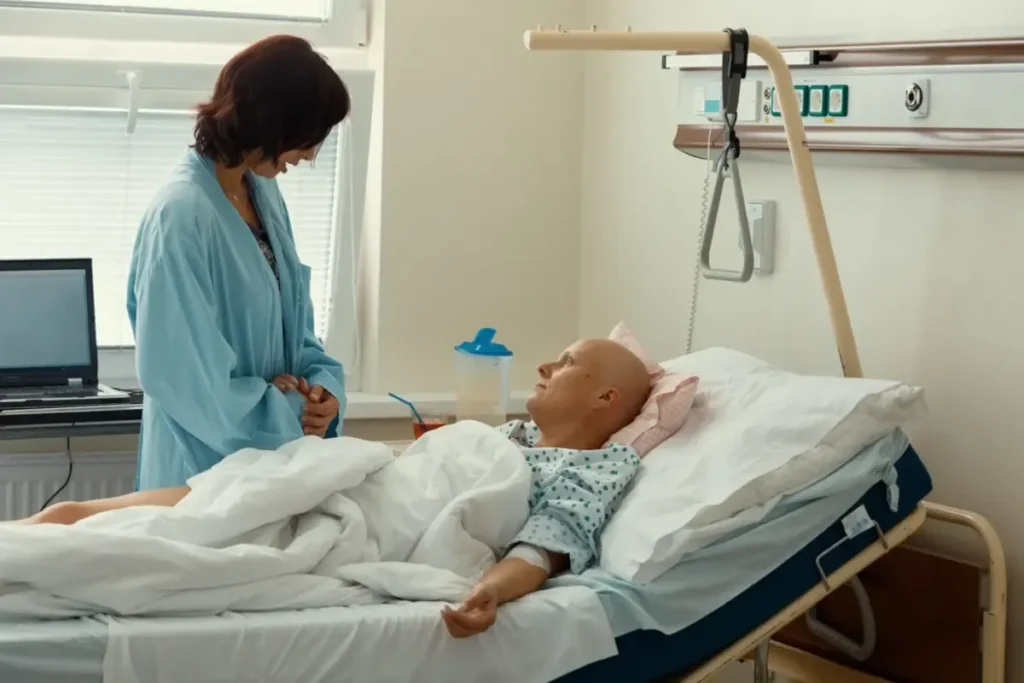
How Cancer Treatments Trigger Hair Loss
Hair loss is not caused directly by the cancer itself in most cases; it is a side effect of the therapies used to eradicate malignant cells. Both chemotherapy and radiation therapy disrupt the normal growth cycle of hair follicles, leading to the condition known as chemotherapy‑induced alopecia or radiation‑related hair loss.
Chemotherapy Mechanisms
Chemotherapeutic agents target rapidly dividing cells. While this is effective against cancer, hair follicle cells also divide quickly during the anagen (growth) phase. Drugs such as doxorubicin, cyclophosphamide, and paclitaxel interfere with DNA synthesis, causing follicles to enter a resting phase and shed hair. This explains why patients often notice diffuse thinning rather than patchy loss.
Radiation Therapy Effects
Radiation focuses high‑energy particles on a specific area, damaging DNA in both cancerous and healthy cells. When the scalp receives radiation—commonly in head and neck cancers—the localized dose can destroy hair follicles permanently if the cumulative exposure exceeds a certain threshold. However, many patients receiving radiation therapy for tumors away from the scalp experience only temporary thinning.
Combined Modality Treatments
In some protocols, chemotherapy and radiation are administered together (concurrent chemoradiation). This synergistic approach can intensify hair loss, making preventive measures even more critical.
Key related questions include:
- Does radiation cause hair loss? – Yes, especially when the scalp is directly irradiated.
- Can radiotherapy cause hair loss? – It can, but the effect is usually localized.
- Does chemotherapy cause hair loss? – Almost all systemic chemo regimens have some alopecia risk.
Managing Hair Loss During Chemotherapy and Radiotherapy
Proactive management can reduce the psychological impact of hair loss and, in some cases, lessen its severity. Below are evidence‑based strategies that patients and clinicians commonly employ.
Scalp Cooling (Cold Caps)
Scalp cooling devices circulate chilled liquid or air around the head during chemotherapy infusion, constricting blood vessels and limiting drug delivery to hair follicles. Studies show a reduction in alopecia rates of up to 70% for certain regimens, making it a popular option for breast cancer patients.
Topical Treatments and Gentle Hair Care
Using mild, sulfate‑free shampoos, avoiding heat styling, and applying protective serums can preserve hair shaft integrity. Some clinicians recommend minoxidil (Rogaine) off‑label to stimulate follicle activity, although evidence varies.
Nutrition and Supplements
A balanced diet rich in protein, iron, zinc, and vitamins A, C, and E supports overall hair health. While supplements cannot prevent chemotherapy‑induced alopecia, they may aid in faster regrowth once treatment ends.
Psychological Support
Hair loss can affect self‑image and emotional well‑being. Access to counseling, support groups, and resources such as wigs or headscarves can improve quality of life during treatment.
Below is a quick reference checklist for patients undergoing treatment:
- Discuss scalp‑cooling options with your oncologist.
- Choose gentle, fragrance‑free hair products.
- Maintain a protein‑rich diet and stay hydrated.
- Consider low‑dose minoxidil after chemotherapy completion.
- Seek counseling or join a support network.
Hair Regrowth After Cancer Treatment
Most patients experience hair regrowth within three to six months after completing chemotherapy, though the texture and color may differ from pre‑treatment hair. Radiation‑induced hair loss can be permanent if the scalp received a high cumulative dose, but partial regrowth is possible with time.
Timeline of Regrowth
Typical milestones include:
- Weeks 1‑4: New fine, often lighter hairs (vellus) appear.
- Weeks 4‑12: Hair thickens, pigmentation returns.
- Months 4‑6: Full density may be restored, though some patients notice lingering texture changes.
Medical Interventions
For patients with incomplete regrowth, options include low‑level laser therapy, platelet‑rich plasma (PRP) injections, and, when appropriate, hair transplant procedures. Gold City Medical Center offers a multidisciplinary approach, combining dermatology, endocrinology, and aesthetic expertise to tailor a plan for each individual.
When to Seek Professional Help
If hair does not begin to grow back after six months, or if you notice patchy loss, scarring, or persistent inflammation, consult a specialist. Early intervention can address underlying issues such as hormonal imbalance or scalp fibrosis.
Key related terms used in this section include hair regrowth after chemo, hair growth after chemotherapy, and hair regrowth following chemotherapy, reflecting common search queries.
When Hair Loss May Indicate Underlying Cancer
Although most hair loss during cancer care is treatment‑related, there are rare scenarios where hair loss can be an early sign of malignancy itself. Certain cancers produce hormones or cytokines that disrupt the hair growth cycle.
Paraneoplastic Alopecia
Paraneoplastic syndromes are indirect effects of cancer on the body. Alopecia areata‑like patches have been reported in patients with lymphoma, leukemia, and solid tumors such as gastric cancer. In these cases, hair loss may precede other symptoms.
Diagnostic Considerations
If a patient experiences sudden, unexplained hair thinning without a known cancer diagnosis, clinicians may order blood tests (CBC, thyroid panel) and imaging to rule out occult malignancies. However, such presentations are uncommon, accounting for less than 1% of all alopecia cases.
Awareness of this possibility encourages timely medical evaluation, ensuring that any hidden cancer is identified early.
Why Choose Gold City Medical Center
Gold City Medical Center combines cutting‑edge oncology with integrative aesthetic care, offering a compassionate environment for patients facing hair loss. Our multidisciplinary team includes oncologists, dermatologists, and hair‑restoration specialists who collaborate to create personalized treatment plans. From scalp‑cooling protocols to advanced hair‑transplant techniques, we prioritize both health outcomes and quality of life, helping you retain confidence throughout your cancer journey.
Ready to discuss how we can support you through cancer‑related hair loss? Contact Gold City Medical Center today to schedule a personalized consultation and explore protective and restorative options tailored to your needs.
FAQ
Does radiation cause hair loss?
Yes, radiation can cause hair loss when the scalp is directly irradiated, leading to localized alopecia.
Can chemotherapy cause hair loss?
Almost all systemic chemotherapy regimens have a risk of causing hair loss due to their effect on rapidly dividing cells.
What cancers are most likely to cause hair loss?
Leukemia, lymphoma, breast cancer, ovarian/cervical cancer, and small‑cell lung cancer are most frequently linked to hair loss due to aggressive treatments.
How does scalp cooling reduce hair loss during chemotherapy?
Scalp cooling constricts blood vessels, limiting chemotherapy drug delivery to hair follicles and thereby reducing alopecia.
When should I seek professional help for hair regrowth after cancer treatment?
If hair has not begun to grow back within six months after completing therapy or if you notice patchy loss, scarring, or persistent inflammation, consult a specialist.





