Many people ask, why am I losing so much hair, and the answer often lies in a combination of medical, lifestyle, and environmental factors. Understanding the root causes is essential for selecting the right treatment and preventing further loss. Recent studies show that up to 40 % of adults experience noticeable thinning by the age of 35, making early intervention increasingly important.
This article breaks down the most common reasons behind rapid hair shedding, outlines how professionals diagnose the problem, and presents evidence‑based treatment options available at Gold City Medical Center. Whether you’re dealing with a sudden patch of baldness or gradual thinning, the information here will help you make informed decisions about your scalp health.
We’ll also discuss practical steps you can take at home to support hair regrowth and maintain a healthy scalp, so you can feel confident about your appearance and overall well‑being.
Medical Causes of Rapid Hair Loss
When you wonder why am I losing so much hair, the first place to look is your body’s internal health. Several medical conditions can trigger sudden or progressive shedding:
- Hormonal imbalances – conditions such as thyroid disorders, polycystic ovary syndrome (PCOS), and menopause can disrupt the hair growth cycle.
- Autoimmune alopecia – alopecia areata causes the immune system to attack hair follicles, leading to round bald patches.
- Genetic factors – androgenetic alopecia, commonly known as male or female pattern baldness, is driven by genetics and hormones.
- Nutrient deficiencies – lack of iron, zinc, biotin, or vitamin D can weaken hair shafts.
- Medications and treatments – chemotherapy, anticoagulants, and certain antidepressants may cause temporary hair loss.
- Stress and illness – telogen effluvium occurs after high stress, fever, or major surgery, pushing hairs into the shedding phase.
| Condition | Typical Signs | Recommended Test |
|---|---|---|
| Thyroid disorder | Diffuse thinning, dry scalp | TSH and free T4 blood test |
| Alopecia areata | Round bald spots, exclamation‑mark hairs | Scalp biopsy, auto‑antibody panel |
| Androgenetic alopecia | Receding hairline, vertex thinning | Family history, DHT level assessment |
Identifying the exact medical trigger is crucial because treatment plans differ significantly. For example, addressing a thyroid imbalance with hormone therapy can halt shedding, while autoimmune alopecia may require topical immunotherapy.
Lifestyle and Environmental Factors Contributing to Hair Shedding
Even if your labs are normal, everyday habits can accelerate hair loss. Many wonder why am I losing so much hair despite a healthy diet, and the answer often lies in external influences:
- Hair styling practices – tight ponytails, braids, or extensions can cause traction alopecia, especially along the hairline.
- Chemical treatments – frequent coloring, bleaching, or perming weakens the shaft and can lead to breakage.
- Heat styling – excessive use of flat irons or blow dryers damages cuticles.
- Dietary choices – high‑sugar, low‑protein diets deprive follicles of essential building blocks.
- Smoking and pollution – toxins reduce blood flow to the scalp, impairing nutrient delivery.
- Sleep deprivation – poor sleep disrupts hormonal regulation that supports hair growth.
Adopting gentler hair care routines can make a noticeable difference. For instance, switching to a sulfate‑free shampoo, limiting heat exposure, and avoiding tight hairstyles can reduce mechanical stress on the follicles.
Diagnosing the Underlying Issue
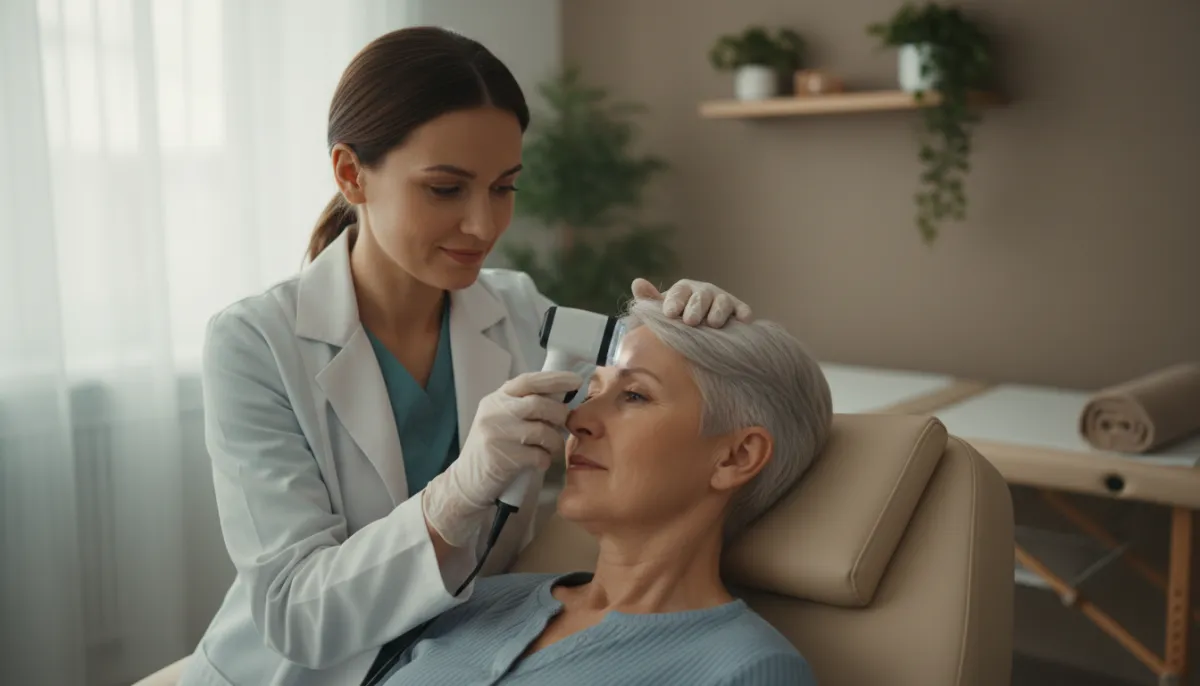
If you keep asking why am I losing so much hair, a thorough diagnostic work‑up is the next step. At Gold City Medical Center, we follow a structured approach to pinpoint the cause:
Clinical Examination
The dermatologist evaluates the pattern of loss, scalp condition, and any visible signs of inflammation or scarring.
Laboratory Tests
Blood work checks hormone levels (thyroid, androgen), iron stores, vitamin D, and markers of inflammation.
Scalp Imaging
Trichoscopy provides a magnified view of follicles, revealing miniaturization typical of androgenetic alopecia or the “exclamation‑mark” hairs of alopecia areata.
Biopsy (when needed)
In ambiguous cases, a small scalp biopsy can differentiate scarring from non‑scarring alopecia.
| Diagnostic Tool | Purpose | Typical Findings |
|---|---|---|
| Trichoscopy | Visualize follicle health | Miniaturized hairs, perifollicular inflammation |
| Blood Panel | Identify systemic causes | Low ferritin, abnormal TSH, elevated DHT |
| Scalp Biopsy | Confirm scarring alopecia | Fibrosis, inflammatory infiltrate |
Accurate diagnosis enables us to tailor a treatment plan that addresses the root cause rather than merely masking symptoms.
Effective Treatment Options at Gold City Medical Center
Understanding the cause of your shedding empowers you to choose the right therapy. Below are the evidence‑based treatments we offer, answering the lingering question of why am I losing so much hair and how to stop it.
Medical Therapies
- Minoxidil – a topical solution that prolongs the growth phase of follicles.
- Finasteride – an oral DHT blocker prescribed for men with androgenetic alopecia.
- Anti‑inflammatory agents – corticosteroid injections or topical immunotherapy for alopecia areata.
Regenerative Procedures
- Platelet‑Rich Plasma (PRP) – injections of concentrated platelets stimulate follicular activity.
- Low‑Level Laser Therapy (LLLT) – non‑invasive light treatment that improves blood flow.
- Hair Transplant Surgery – Follicular Unit Extraction (FUE) provides permanent, natural‑looking results.
Supportive Care
- Nutritional counseling – personalized diet plans to correct deficiencies.
- Stress‑management programs – mindfulness, yoga, and counseling to reduce telogen effluvium.
- Scalp micro‑needling – enhances product absorption and stimulates collagen production.
| Treatment | Best For | Typical Timeline |
|---|---|---|
| Minoxidil | Early‑stage thinning | 3‑6 months for visible improvement |
| Finasteride | Male pattern baldness | 6‑12 months for stabilization |
| PRP | Diffuse shedding, post‑COVID loss | 3 sessions over 2 months, then maintenance |
| FUE Transplant | Advanced balding, permanent solution | 9‑12 months for full growth |
Our multidisciplinary team designs a customized plan that may combine several of these modalities, maximizing effectiveness while minimizing side effects.
Preventive Measures and Home Care Tips
Even after treatment, maintaining healthy hair requires daily attention. If you still wonder why am I losing so much hair despite therapy, consider these preventive habits:
- Gentle cleansing – use lukewarm water and a mild shampoo; avoid vigorous rubbing.
- Condition regularly – apply conditioner to mid‑lengths and ends to reduce breakage.
- Balanced nutrition – include lean proteins, omega‑3 fatty acids, and antioxidant‑rich fruits.
- Stress reduction – practice meditation, regular exercise, and adequate sleep (7‑9 hours).
- Limit heat and chemicals – air‑dry when possible and give hair a break between coloring sessions.
- Scalp massage – stimulates circulation and can be combined with essential oils like rosemary.
These simple steps support the scalp environment, allowing any medical or surgical interventions to work more effectively.
Why Choose Gold City Medical Center
Gold City Medical Center combines advanced medical expertise with personalized cosmetic care. Our integrative approach means you receive a comprehensive diagnosis, evidence‑based treatments, and ongoing support—all under one roof. With a team of board‑certified dermatologists, hair restoration surgeons, and nutrition specialists, we tailor solutions to each individual’s unique needs, ensuring safe and lasting results.
Ready to stop the shedding and start regaining confidence? Contact Gold City Medical Center today to schedule your personalized consultation and take the first step toward healthier hair.
FAQ
What are the most common medical causes of rapid hair loss?
Hormonal imbalances, autoimmune alopecia, genetics, nutrient deficiencies, certain medications, and stress-related telogen effluvium are the main medical triggers.
How can everyday lifestyle habits contribute to hair shedding?
Tight hairstyles, chemical treatments, heat styling, poor diet, smoking, pollution, and lack of sleep can all accelerate hair loss.
What diagnostic tests are used to determine the cause of hair loss?
Clinical examination, blood panels, trichoscopy, and scalp biopsy are the primary diagnostic tools.
What treatment options are offered at Gold City Medical Center for hair loss?
Medical therapies, regenerative procedures, and supportive care including minoxidil, finasteride, PRP, laser therapy, hair transplant, nutrition counseling, and stress‑management.
How long does it typically take to see results from minoxidil or PRP treatments?
Minoxidil shows visible improvement in 3‑6 months, while PRP usually requires three sessions over two months with maintenance thereafter.
What preventive measures can help maintain healthy hair after treatment?
Gentle cleansing, regular conditioning, balanced nutrition, stress reduction, limited heat/chemical use, and scalp massage are key habits.





