Facing chemotherapy can be overwhelming, and one of the most visible side effects is hair loss. Will hair grow back after chemotherapy is a question many patients ask as they prepare for treatment. Understanding the biology behind hair loss, the typical timeline for regrowth, and the factors that influence recovery can help set realistic expectations and empower you to take proactive steps toward healthy hair restoration.
Statistics show that up to 80% of patients undergoing certain chemotherapy regimens experience some degree of alopecia. While the emotional impact is significant, the good news is that hair usually does return, though the pattern and speed can vary widely. In this article we will explore why hair falls out during treatment, how long it typically takes to see new growth, what can affect the outcome, and practical strategies to support your scalp during the recovery phase.
Whether you are just starting chemotherapy, midway through a cycle, or in the survivorship phase, the information below will guide you through the journey of regaining your hair, and highlight when professional assistance may be beneficial.
Understanding Chemotherapy‑Induced Hair Loss
Chemotherapy targets rapidly dividing cells, which include not only cancer cells but also the cells responsible for hair growth. This process, known as chemotherapy‑induced hair loss, typically results in a condition called anagen effluvium, where hair shafts break off close to the scalp.
Why Hair Falls Out
- Damage to hair‑forming cells (matrix keratinocytes) in the follicle.
- Disruption of the normal hair growth cycle, forcing follicles into a resting phase.
- Inflammatory responses that weaken hair shaft integrity.
Types of Alopecia Linked to Cancer Treatment
| Type | Cause | Typical Onset |
|---|---|---|
| Anagen Effluvium | Chemotherapy drugs | Within 1–3 weeks of starting |
| Telogen Effluvium | Radiation therapy, stress | 2–4 months after treatment |
| Permanent Scarring Alopecia | High‑dose radiation | Months to years |
Understanding the underlying mechanism helps answer the core question: will hair grow back after chemotherapy. While most patients experience temporary loss, the severity depends on the specific drugs, dosage, and individual biology.
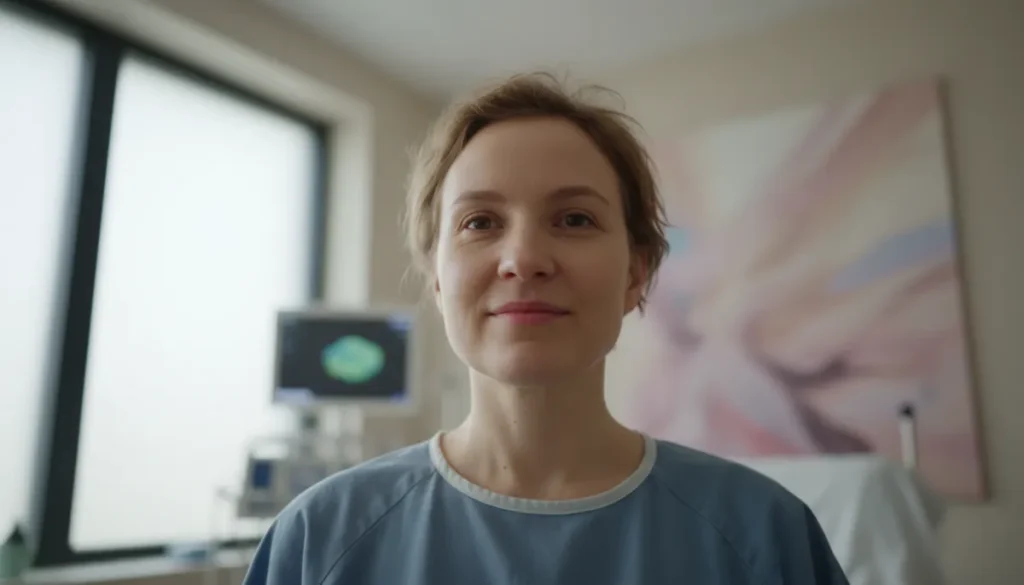
Typical Timeline for Hair Regrowth After Chemotherapy
Most patients begin to notice new hair growth within a few weeks after completing treatment, but the timeline can differ based on several variables. The phrase “how long does it take for hair to grow back” often appears in patient forums, reflecting the desire for a clear schedule.
Phases of Regrowth
- Initial Shedding (Weeks 0‑4): Hair may continue to fall out as follicles recover.
- Early Regrowth (Weeks 4‑12): Fine, often lighter‑colored “baby hairs” appear.
- Thickening Phase (Months 3‑6): Hair density increases, texture begins to normalize.
- Full Restoration (Months 6‑12): Most patients regain their original hair color and texture, though some may notice subtle changes.
Timeline Overview
| Time After Treatment | Typical Hair Appearance |
|---|---|
| 0–4 weeks | Continued shedding, scalp may feel sensitive. |
| 4–12 weeks | Fine, soft “chemo curls” emerge; often lighter. |
| 3–6 months | Hair becomes thicker; natural curl pattern returns. |
| 6–12 months | Near‑full regrowth; some patients notice texture change. |
While many patients experience “hair growth after chemo” within the first three months, it is normal for the process to extend up to a year. Patience and scalp care are essential during this period.
Factors That Influence Hair Regrowth Success
Not every patient experiences the same outcome, and several key factors determine how quickly and fully hair will return. When asking “will hair grow back after chemotherapy,” it helps to consider these variables.
Medical and Treatment‑Related Factors
- Chemotherapy regimen: Drugs like taxanes and anthracyclines are more likely to cause prolonged alopecia.
- Radiation exposure: Radiation to the scalp can cause permanent damage, especially at high doses.
- Dosage and cycle length: Higher cumulative doses increase the risk of slower regrowth.
Personal Health Factors
- Age: Younger patients often experience faster regrowth.
- Nutritional status: Adequate protein, iron, and zinc support follicle health.
- Scalp condition: Pre‑existing skin conditions can affect hair follicle recovery.
Lifestyle and Supportive Care
- Gentle hair care (avoiding harsh chemicals and heat).
- Scalp massage to stimulate blood flow.
- Use of mild, sulfate‑free shampoos.
Understanding these elements helps patients answer “how long after chemotherapy will hair grow back” with a personalized perspective. In many cases, addressing nutrition and scalp care can accelerate “hair regrowth after chemo.”
Managing Expectations and Supporting Hair Recovery
While the science behind “hair growth after chemotherapy” is clear, the emotional journey requires realistic expectations and proactive support. Below are practical strategies to help you navigate this phase.
Mindful Scalp Care
- Use a soft pillowcase (silk or satin) to reduce friction while sleeping.
- Limit exposure to direct sunlight; wear a loose‑fitting hat if needed.
- Apply a fragrance‑free moisturizer to keep the scalp hydrated.
Nutrition and Supplements
Foods rich in omega‑3 fatty acids, biotin, and antioxidants can bolster follicle health. While supplements such as SAM‑e have been discussed for hair loss, always consult your oncology team before adding new products.
Psychological Support
Joining a support group or speaking with a counselor can help you cope with the visual changes. Many patients find “chemo curls” a unique temporary style that can be embraced during the early regrowth phase.
By integrating these gentle practices, you increase the likelihood of a smoother “hair regrowth after chemotherapy” experience and reduce anxiety associated with the waiting period.
When to Seek Professional Help for Hair Restoration
If hair regrowth is slower than expected, or if you notice permanent thinning, consulting a specialist may be appropriate. Professional options include:
- Dermatology evaluation: To rule out scarring alopecia or other scalp conditions.
- Low‑level laser therapy (LLLT): Non‑invasive light treatment that can stimulate follicles.
- Platelet‑rich plasma (PRP) injections: Uses your own blood platelets to promote growth.
- Hair transplant surgery: For permanent restoration when follicles are healthy but depleted.
Gold City Medical Center offers integrative solutions that combine medical expertise with cosmetic care, ensuring a personalized approach for each patient’s unique needs.
Why Choose Gold City Medical Center
At Gold City Medical Center we blend advanced medical knowledge with aesthetic excellence. Our team of experienced oncologists, dermatologists, and hair restoration specialists works together to provide comprehensive support—from managing chemotherapy side effects to offering state‑of‑the‑art hair regrowth therapies. We prioritize patient comfort, evidence‑based treatments, and a holistic approach that addresses both physical and emotional well‑being.
Ready to take the next step toward confident hair recovery? Contact Gold City Medical Center today to schedule a personalized consultation and explore the best options for your post‑chemotherapy journey.
FAQ
Will hair grow back after chemotherapy?
Yes, most patients experience hair regrowth after completing chemotherapy, though timing and texture can vary.
How long does it take for hair to grow back after chemo?
Hair usually starts to regrow within 4‑12 weeks, with noticeable thickness by 6‑12 months.
What factors affect hair regrowth after chemotherapy?
Drug type, dosage, radiation exposure, age, nutrition, and scalp health all influence regrowth speed and quality.
How can I support hair regrowth after chemo?
Use gentle hair care, maintain good nutrition, keep the scalp moisturized, and consider scalp massage or low‑level laser therapy.
When should I seek professional help for hair restoration?
If hair regrowth is slower than expected, shows permanent thinning, or you notice scarring, consult a dermatologist or hair restoration specialist.





