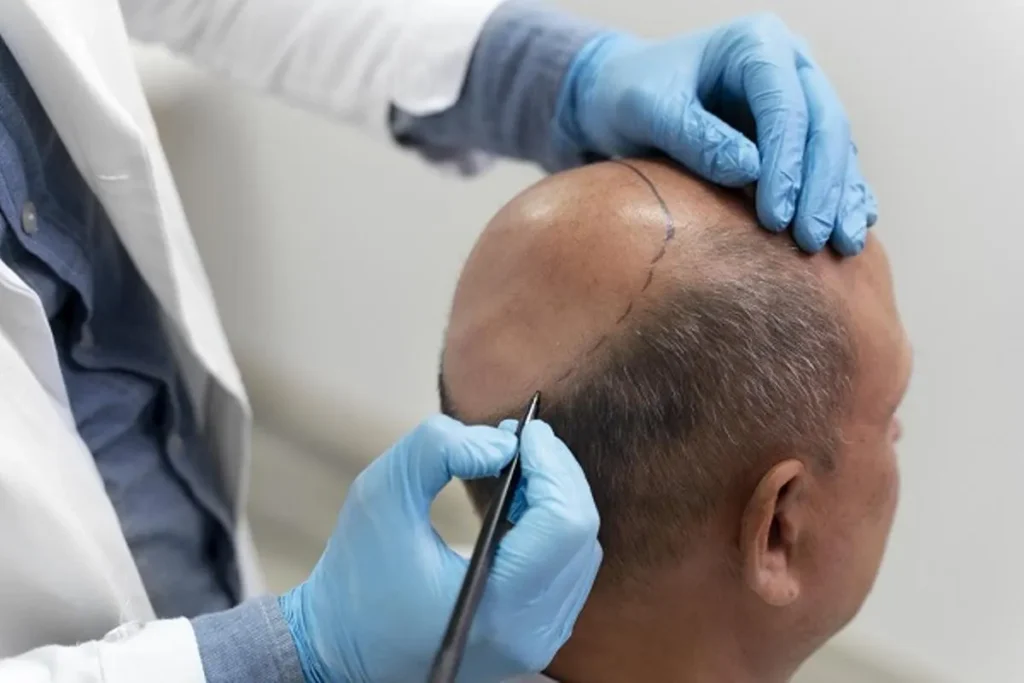
Reaching the one-month mark after your hair transplantation is a big deal. You’ve made it past the first healing phase. Now, your focus is on taking care of your scalp for the best hair growth.
Proper care during this time is clinically proven to greatly improve your transplant’s results. Knowing what to do and how to care for your scalp can help you Unlock your inner glow. You’ll get the hair you’ve always wanted.
Key Takeaways
Understand the significance of the 30-day post-transplant phase for graft survival.
Learn how to properly care for your scalp to achieve natural-looking results.
Discover the importance of a consistent aftercare routine for healthy, long-term hair growth.
Find out how to navigate the transition from intensive healing to nurturing your scalp.
Explore tips for maintaining a healthy scalp and promoting optimal hair growth.
Understanding Your Scalp 30 Days Post-Procedure
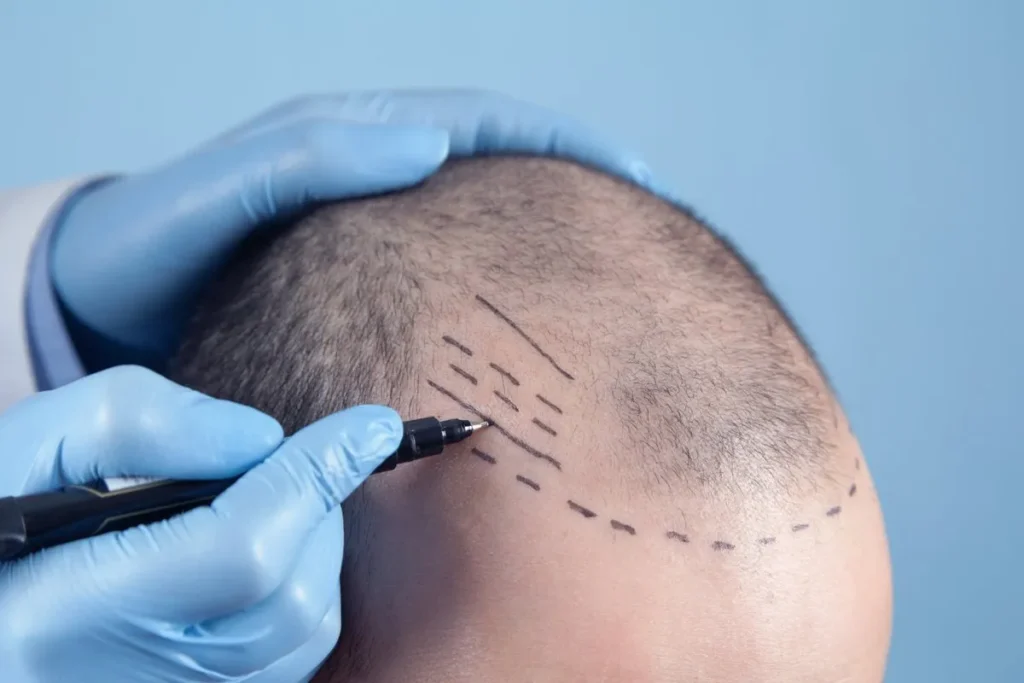
As you near the one-month mark after your hair transplant, knowing how your scalp heals is key. Your scalp has changed a lot, and knowing these changes helps you recover better.
Healing Milestones at the One-Month Mark
By the end of the first month, most scabs are gone, and any redness starts to fade. Your scalp is sensitive, but it’s getting better. Experts say the skin color goes back to normal, and symptoms like pus and discharge usually stop. It’s important to keep up with gentle scalp care after hair transplant to avoid problems.
When you see less sensitivity and redness, it means healing is on track. But, keep your hair care gentle to help your scalp keep healing.
The Transition Phase of Recovery
The transition phase is when your scalp gets used to the new hair follicles. You might see some shedding, which is normal. This shedding is temporary and shows the hair follicles are settling in.
To help your scalp during this time, wash gently and avoid harsh chemicals or too much heat styling. For more tips on washing, check out the hair care routine 30 days after hair transplant.
Understanding the transition phase recovery and being patient is important. Your scalp is healing, and with the right care, you’ll see great results soon.
For more on what to expect one month after hair transplant and scalp care, keep following expert advice and stick to a consistent hair care routine.
Managing Shock Loss and Shedding
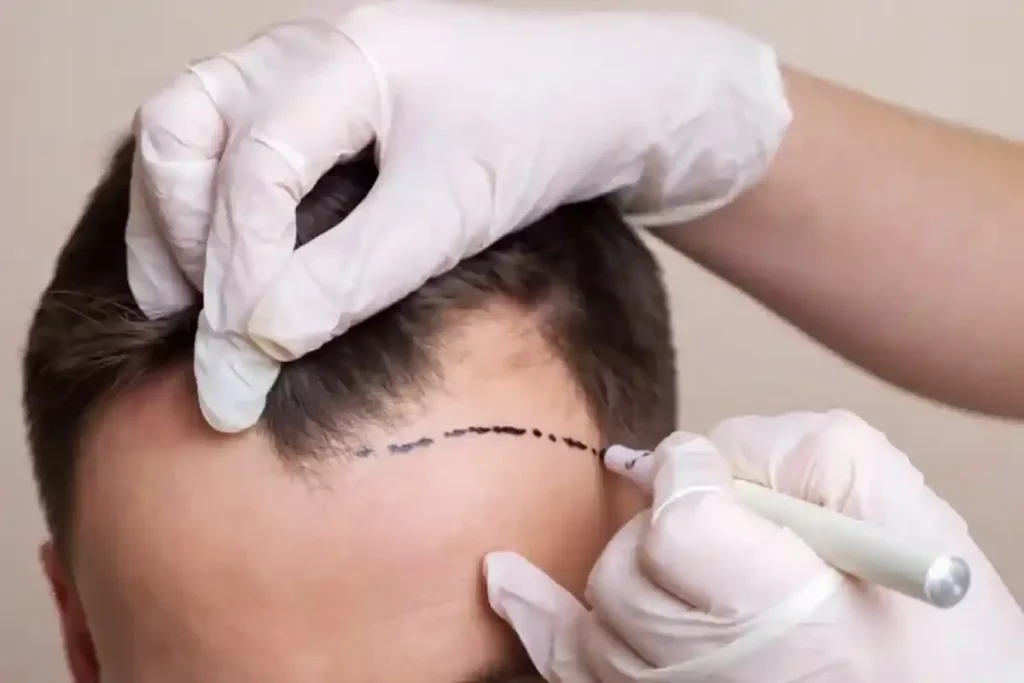
At the one-month mark after your hair transplant, you might see shock loss and shedding. This is a normal part of the hair growth cycle. It’s important to know that shock loss is not a failure sign but a step towards your desired results.
Studies show that 70-80 percent of transplanted hair may shed in this phase. This usually starts within the first 2-4 weeks after the procedure. An expert explains, 30 days after hair transplant care leads to best results. Learn how to manage the shedding phase and keep your hair follicles strong.
Why 70-80% of Transplanted Hair Sheds
The hair sheds because of the shock from the transplant. This shock makes the hair go into a resting phase, leading to shedding. It’s a natural response, and knowing this can help manage your expectations.
The Science Behind Follicle Adjustment
After the transplant, the hair follicles adjust. They move from the growth phase to the resting phase, then shed. The science behind this adjustment is complex but leads to hair regrowth from the transplanted follicles.
Key factors influencing follicle adjustment include:
The skill of the surgeon performing the transplant
The aftercare routine followed by the patient
The overall health of the patient
Timeline for New Growth (3-5 Months)
Patience is key after a hair transplant. Shock loss and shedding can be tough, but new hair growth usually takes 3-5 months. During this time, the transplanted hair follicles start producing new hair, making your hairline fuller and more natural.
Remember, “Own your beauty” and confidence come from understanding and embracing the process. With proper care and patience, you can enjoy the successful results of your hair transplant.
Hair Care Routine 30 Days After Hair Transplant
Thirty days after your transplant, it’s time to improve your hair care routine. Your scalp has healed a lot, making it safe to care for your hair like normal.
Resuming Normal Washing Techniques
After a month, you can use your own shampoo. Make sure it’s recommended by your hair surgeon or dermatologist for your scalp. Gently rub your scalp with your fingertips to clean it and boost blood flow.
Be gentle, as your scalp is healing. But you can use a bit more force than before. Also, avoid hot water, as it can irritate your scalp.
Daily Maintenance Practices
Every day, it’s important to take care of your transplanted hair. Use a wide-tooth comb or a soft-bristled brush to gently detangle your hair. Start from the ends and work your way up to avoid breakage.
When styling, you can use heat tools but remember to use a heat protectant spray. Also, keep your hair moisturized, focusing on the ends, which tend to be drier.
Activities and Treatments Now Permitted
At 30 days post-transplant, you can do more things. You can start exercising again, but watch out for too much sweat. It can irritate your scalp. Wear a hat or use a sweatband to keep sweat away.
Some hair treatments are okay again. But, always check with your hair surgeon or dermatologist before trying any chemical treatments or dyeing your hair.
By following these tips and taking care of your scalp, your transplanted hair will stay healthy and grow well. Your patience and proper care will give you the beautiful hair you’ve been dreaming of.
Conclusion
As you’ve started your hair transplant journey, you’ve made important steps. By 30 days post-procedure, scabs and wounds have healed, and hair loss has stopped. It’s critical to take good care of your hair during this time.
Good post-transplant care means gentle daily routines and avoiding harsh chemicals. The International Society of Hair Restoration Surgery warns against using hair dyes. This helps keep your grafts healthy and growing.
Following the hair care tips in this article will help you succeed. At 21 days post-transplant, your scalp is healing. Be gentle when washing your hair. The day after surgery is also key for a smooth recovery.
Keep being patient and dedicated as you continue your journey. With proper care, your hair will reach its full beauty. You’ll see a luxurious transformation that boosts your confidence and beauty.
FAQ
What can I expect 30 days after my hair transplant?
Thirty days after your hair transplant, your scalp is healing well. You might see some hair fall, but this is normal. With the right care, you’ll see amazing results soon.
How do I care for my hair 1 month after transplant?
One month after, wash your hair gently and keep up with daily care. Stay away from rough activities. This will help you get the best results and enjoy soft hair.
Is shock loss normal after hair transplant?
Yes, shock loss is common after a hair transplant. About 70-80% of the transplanted hair falls out. But don’t worry, it’s just a temporary phase. New hair starts growing in 3-5 months, making your hair look amazing.
When can I rub my head after hair transplant?
Be gentle with your scalp after a transplant. Avoid rubbing it hard, at least in the first month. After 30 days, you can start gentle scalp care again. But be careful to avoid any problems.
Can I wash my hair normally after 1 month of hair transplant?
Yes, after a month, you can wash your hair as you normally do. Just be gentle. Use a mild shampoo and avoid scrubbing too hard. This keeps your scalp healthy and glowing.
What activities are permitted 30 days after hair transplant?
Thirty days after, you can start doing normal things again. This includes exercising and daily activities. But be careful and avoid things that might hurt your scalp or make it sweat too much.
How long does it take to see new growth after hair transplant?
New hair growth starts in 3-5 months. Be patient and keep up with your care routine. This will help you get the best results and feel confident in your beauty.
What is the importance of aftercare after hair transplant?
Aftercare is key to a successful hair transplant. It keeps your hair healthy and your scalp recovering. Following the aftercare tips will lead to a stunning transformation.
References
National Center for Biotechnology Information. Evidence-Based Medical Insight. Retrieved from https://pubmed.ncbi.nlm.nih.gov/10940075/





