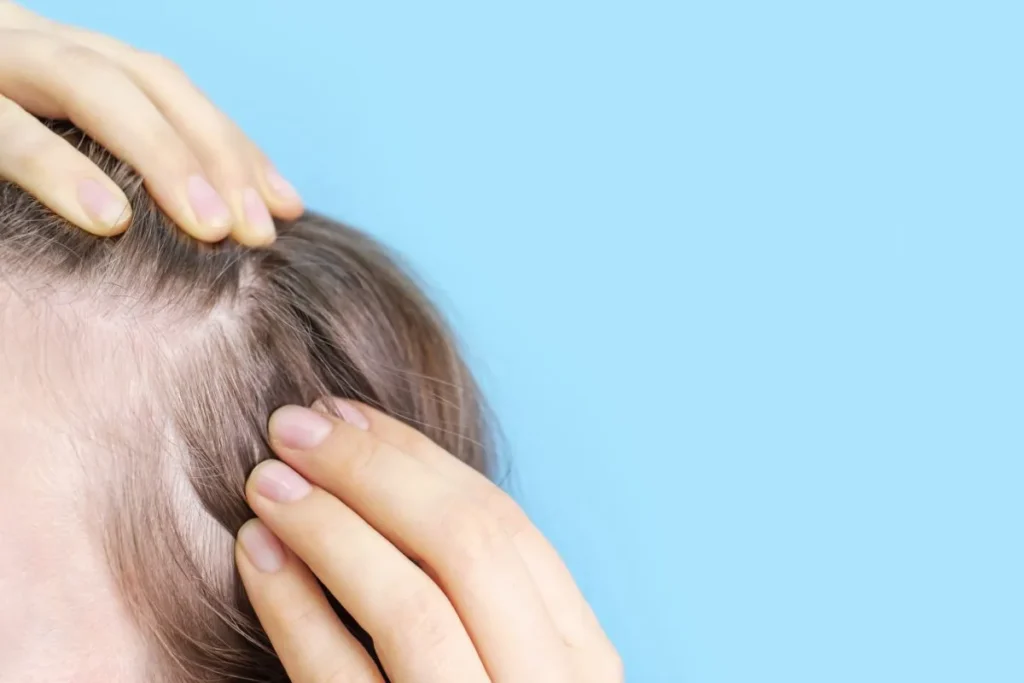
Diffuse hair loss is a common problem where hair thins out all over the scalp. It happens to both men and women. This condition spreads evenly, making it different from other types of baldness. It needs special tests and treatment plans.
Knowing what causes it and finding the right treatments is key. This helps those dealing with it.
Unlocking a radiant glow begins with tackling hair loss. At GoldCity Center, we offer caring, patient-focused care. We help people feel confident again.
Key Takeaways
Diffuse hair loss affects the entire scalp, causing gradual thinning.
It affects men and women differently, requiring personalized treatment plans.
Understanding the condition is key for effective treatment.
GoldCity Center offers specialized care for those with hair loss.
Evidence-based treatment options are available to address hair loss concerns.
Understanding Diffuse Hair Loss

Diffuse hair loss is a type of hair thinning that spreads out over the scalp. It’s different from pattern baldness, which affects specific areas. This condition can make hair feel thinner all over, which can be upsetting.
Definition and Characteristics
Diffuse hair loss, or diffuse alopecia, means hair thinning all over the scalp without a clear pattern. It can happen to both men and women, but women are more likely to get it. The hair thinning is gradual and doesn’t form the typical balding patches seen in pattern baldness.
“Diagnosing diffuse hair loss can be tricky because it looks like other types of alopecia,” says a dermatologist. Knowing the cause is key to treating it.
How Diffuse Hair Loss Differs from Pattern Baldness
Diffuse hair loss and pattern baldness differ in where the hair loss happens. Pattern baldness affects specific spots like the crown or temples. But diffuse hair loss makes hair thin all over the scalp. For more details, check out DermNet NZ on diffuse alopecia.
Diffuse hair loss can last a short time or be ongoing, depending on the cause. Hormonal changes, stress, and some health issues can lead to it. Knowing these causes helps in finding the right treatment.
Causes of Alopecia Diffuse
Diffuse alopecia, or widespread hair loss, can be caused by genetics and medical conditions. Knowing these causes helps in finding the right treatment.
Androgenetic Factors
Androgenetic alopecia is a common reason for hair loss in both men and women. It’s linked to genetics and hormones, like testosterone turning into DHT. This can shrink hair follicles and cause hair loss. Androgenetic alopecia makes hair thin, mainly on the top and crown of the scalp.
A study in the Medical organization Journal ofMedicine shows androgenetic alopecia’s role in hair loss. It stresses the need for early diagnosis and treatment. For more details, see the study here.
Telogen Effluvium
Telogen effluvium is another major cause of hair loss. It happens when hair growth is disrupted, causing many follicles to stop growing. This leads to a lot of hair falling out, often after stress, illness, or hormonal changes.
Many things can trigger telogen effluvium, like stress, poor nutrition, and some medicines. It’s usually temporary, and hair growth can return once the cause is fixed.
Autoimmune and Medical Conditions
Autoimmune diseases, like alopecia areata, can also cause hair loss. In alopecia areata, the immune system attacks hair follicles. Other conditions, like thyroid problems and nutritional deficiencies, can also lead to hair loss.
Experts say, “Knowing why you’re losing hair is key to managing it.”
Diagnosis and Treatment Options
Starting to tackle diffuse balding means first getting a clear diagnosis and looking into treatment options. Finding out why you’re losing hair involves a detailed process. This helps figure out the best way to treat it.
Professional Evaluation Process
Getting a professional to check your hair loss is key. This usually includes a medical check-up, blood tests, and a scalp exam. These steps help see how much hair you’ve lost and why.
Key Components of a Professional Evaluation:
Medical history review
Blood tests for hormonal imbalances or deficiencies
Scalp examination to assess hair density and scalp health
Medical Treatments
There are medicines like minoxidil and finasteride for thinning hair. These have been shown to help hair grow back and stop more from falling out.
Natural and Supplementary Approaches
There are also natural ways to help your hair. Eating right, managing stress, and taking supplements like biotin can all help.
Nutritional Tips for Hair Health:
Increase intake of omega-3 fatty acids
Consume foods rich in antioxidants
Stay hydrated to support scalp health
By using a mix of professional advice, medical treatments, and natural methods, you can fight hair loss. This way, you can work towards having healthier hair.
Conclusion
Understanding diffuse hair loss is key to tackling this common issue. Diffused hair loss, or diffused alopecia, shows hair thinning all over the scalp. It’s different from pattern baldness.
Many things can cause diffuse hair loss. These include genetics, hair cycle problems, and some health issues. Knowing what causes it helps find the best treatment.
There are many ways to treat diffuse hair loss. You can try medical treatments or natural methods. Learning about these options helps you choose the best for your hair.
By facing the challenges of diffuse hair loss, you can find ways to improve your hair. The right steps can make your hair look healthier and more vibrant. You can regain your confidence and have a fuller head of hair.
FAQ
What is diffuse hair loss, and how does it differ from other types of hair loss?
Diffuse hair loss means your hair thins out evenly all over your scalp. It’s different from pattern baldness, which has clear spots. It can happen to anyone, for a short time or forever.
What are the main causes of diffuse hair loss?
Main causes include genetics, stress, hormonal changes, and autoimmune diseases. Nutritional problems also play a role. Knowing the cause helps find the right treatment.
How is diffuse hair loss diagnosed?
Doctors check your medical history and do blood tests. They also look at your scalp to see how much hair you’ve lost. This helps figure out what’s going on.
What treatment options are available for diffuse hair loss?
Treatments include medicines like minoxidil and finasteride. You can also try natural ways like eating right, managing stress, and being gentle with your hair. The best treatment depends on your situation.
Can diffuse hair loss be treated, and is it possible to regrow hair?
Yes, treating diffuse hair loss is possible. It might help you grow back your hair. How well it works depends on the cause and how you respond.
How can I prevent diffuse hair loss?
To prevent it, eat well, manage stress, and take care of your hair gently. Starting early can help a lot.
Is diffuse hair loss a sign of an underlying health issue?
Yes, it might mean there’s a health problem like hormonal issues or nutritional deficiencies. Getting a full check-up is key to finding out.
Can stress cause diffuse hair loss?
Yes, stress can lead to hair loss by making hair fall out more easily. Reducing stress can help keep your hair healthy.
Are there any natural remedies for diffuse hair loss?
Yes, eating right, massaging your scalp, and avoiding harsh chemicals can help. These natural methods can work alongside medical treatments to keep your hair healthy.
References
National Center for Biotechnology Information. Evidence-Based Medical Insight. Retrieved from https://pmc.ncbi.nlm.nih.gov/articles/PMC4576621/

