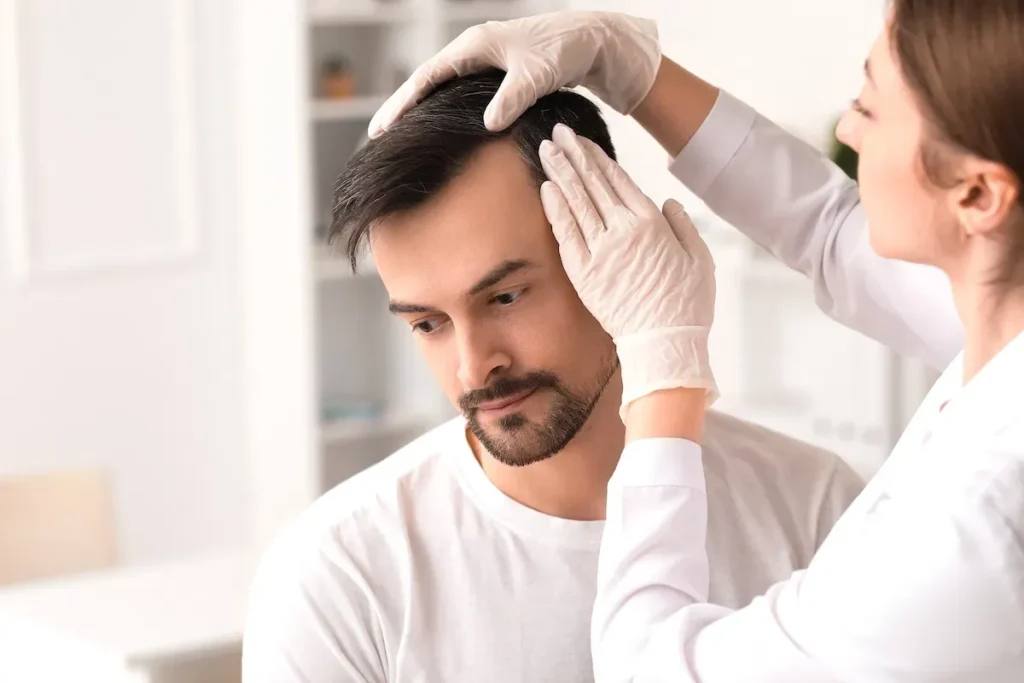
Alopecia regrowth stages can take time. Track your timeline to success and learn what the first signs of new hair look like on your scalp.
For those with alopecia areata, knowing when hair will grow back is a source of hope. This condition makes the immune system attack hair follicles, causing hair loss. Studies show that 34% to 50% of people with patchy alopecia areata see their hair grow back on its own within a year.
Every person’s journey to regrowing hair is different. The amount of hair lost affects how long it takes to grow back. By understanding this condition, people can find their way to recovery and achieve radiant beauty.
Key Takeaways
Hair regrowth timelines vary significantly depending on individual factors.
Between 34% to 50% of individuals experience spontaneous hair recovery within one year.
The extent of hair loss influences the regrowth timeline.
Understanding alopecia areata is key to navigating recovery.
Regrowth is possible, and knowing what to expect empowers individuals.
Understanding Alopecia Areata Recovery Timelines

Alopecia areata recovery times can differ a lot between people. It’s key to know what affects hair growth. This shows why treating it should be tailored to each person for the best results.
What is Alopecia Areata?
Alopecia areata is an autoimmune disease causinghair loss on the scalp or body. The exact cause is unknown, but it’s thought to be linked to genes and environmental factors. It can be triggered by stress, major life events, and other illnesses.
Statistical Recovery Rates
Studies show that 34% to 50% of people with patchy alopecia areata see hair grow back within a year. About 80% of patients see full regrowth if less than half their scalp is affected. These numbers offer hope for those with alopecia areata, showing a good chance for significant hair regrowth.
Factors Affecting Regrowth Speed
Several things can affect how fast hair grows back after alopecia areata. These include:
The extent of hair loss: Less hair loss means faster regrowth.
Genetic predisposition: Family history can influence regrowth chances and speed.
Environmental triggers: Stress, illness, and other factors can slow down regrowth.
Treatment approaches: Different treatments can help hair grow back faster, like medicines and alternative therapies.
Knowing these factors helps people choose the right treatments. This can improve their chances of hair regrowth.
Alopecia Regrowth Stages and Treatment Options
[Add image here]
Learning about alopecia areata regrowth stages and treatment options can help people get a full head of hair. As they go through the regrowth journey, they can discover the secrets to radiant beauty. They can embrace their unique transformation.
The Regrowth Process
The journey to regrow hair after alopecia areata has several stages. First, fine hair starts to grow, then it gets thicker and more pigmented. Hair growth usually starts in a few months, but it can take longer for some.
At first, the regrown hair might look white or gray. But over time, it will get its original color back.
Key Stages of Regrowth:
Initial fine hair development
Gradual thickening of hair
Pigmentation restoration
Treatments to Accelerate Regrowth
There are many treatments to help hair grow back faster. Corticosteroid injections and minoxidil are effective. Most people see results in 4 to 6 weeks.
Effective Treatment Options:
Corticosteroid injections to reduce inflammation
Minoxidil to stimulate hair growth
By knowing the regrowth stages and using these treatments, people can unlock their hair’s full potential. They can get a luxurious, full head of hair. The journey to regrow hair is different for everyone. But with the right treatment and patience, anyone can shine with a radiant glow.
Conclusion
Dealing with alopecia areata can be tough, but knowing about hair regrowth helps. Yes, hair can grow back, even if it’s not always predictable or permanent.
Seeing hair grow back can really boost your confidence. There are treatments that can help speed up this process. Getting professional help early can make a big difference.
Can hair grow back after alopecia? Yes, with the right treatment and lifestyle changes, you can support your hair health. Embracing our unique glow and celebrating individuality helps us feel confident and radiant.
FAQ
What are the stages of alopecia areata regrowth?
The first sign of regrowth in alopecia areata is fine, soft hair. This hair is often white or light-colored. As it progresses, thicker, darker hair will appear.
How long does it take for bald spots to grow back?
The time it takes for bald spots to grow back varies. It can be a few months or several years. This depends on the condition’s severity and treatment effectiveness.
Can hair grow back after alopecia areata?
Yes, hair can grow back after alopecia areata. With the right treatment, many people see significant regrowth. The rate and extent of regrowth vary.
What are the signs of hair growing back?
Signs of hair growing back include fine, soft hair. This hair is often white or light-colored. Thicker, darker hair and increased hair density also indicate regrowth.
How long does alopecia areata take to regrow?
The time for alopecia areata to regrow varies. With treatment, some see regrowth in a few months. Others may take longer.
Will hair grow back with alopecia areata?
Alopecia areata can be unpredictable. Yet, many people experience regrowth. The right treatment can improve these chances.
What factors affect the speed of regrowth?
Several factors influence regrowth speed. These include the condition’s severity, treatment effectiveness, and individual health and genetics.
Are there treatments to accelerate regrowth?
Yes, treatments like medications, therapies, and lifestyle changes can help. They can speed up regrowth and improve hair health.
References
National Center for Biotechnology Information. Evidence-Based Medical Insight. Retrieved from https://pubmed.ncbi.nlm.nih.gov/7791384/

