
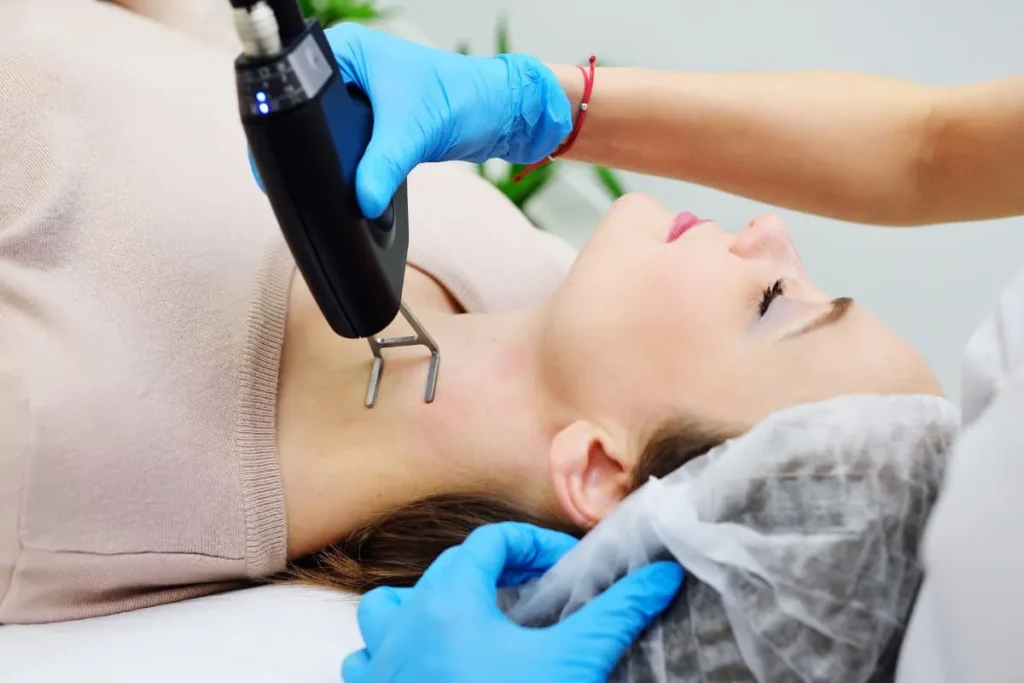
Laser technology has changed how we treat aging skin, sun damage, and scars. Ablative and non-ablative lasers are two different ways to improve skin. They meet different needs and hopes of patients. Compare ablative and non ablative laser treatments to find your perfect skin solution. Discover benefits, recovery times, and expert results.
At Ageless Aesthetics, we offer both lasers at our three Indianapolis-area clinics. Our team is skilled in picking the right laser for each patient. This ensures the results are both good and safe. For more on these treatments, check out this resource.
Belangrijkste opmerkingen
Understand the fundamental differences between ablative and non-ablative lasers.
Learn about the benefits and drawbacks of each laser type.
Discover which laser treatment is best suited for your skin concerns.
Explore the expected outcomes and downtime for each treatment.
Find out how to choose the right laser technology for your needs.
Understanding Laser Skin Resurfacing Fundamentals
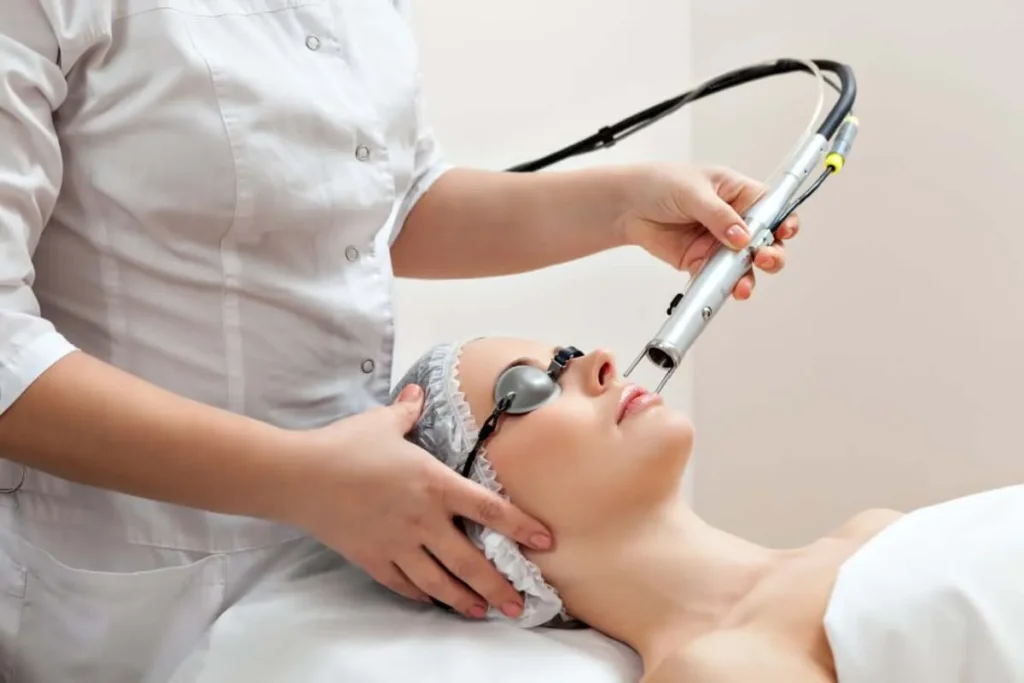
Laser skin resurfacing is a new way to make your skin look young and radiant. It’s a cutting-edge method for skin rejuvenation.
This treatment uses laser light to improve your skin’s texture and look. It causes controlled damage, which triggers your body’s healing process. This leads to better skin firmness, texture, and appearance over time.
Targeting Skin Concerns
Lasers can tackle many skin issues, like fine lines, wrinkles, scars, and spots. They work by targeting damaged skin cells. This makes your skin smoother and more even-toned.
Fine Lines and Wrinkles: Lasers help by boosting collagen, making lines and wrinkles less visible.
Skin Texture: Removing damaged skin layers makes your skin look fresher and more vibrant.
Pigmentation: Lasers can reduce age spots and freckles, giving you a more even skin tone.
The Science Behind Rejuvenation
Laser skin resurfacing causes thermal damage to the skin. This damage leads to visible improvements after just one treatment. It triggers your body to produce new collagen and elastin.
This process gives you a luxury transformation in your skin’s look. You’ll see enhanced firmness, less aging signs, and a radiant glow. Knowing how laser skin resurfacing works helps you make smart choices for your beauty treatments. It’s a step towards timeless beauty.
Ablative and Non-Ablative Laser: Key Differences
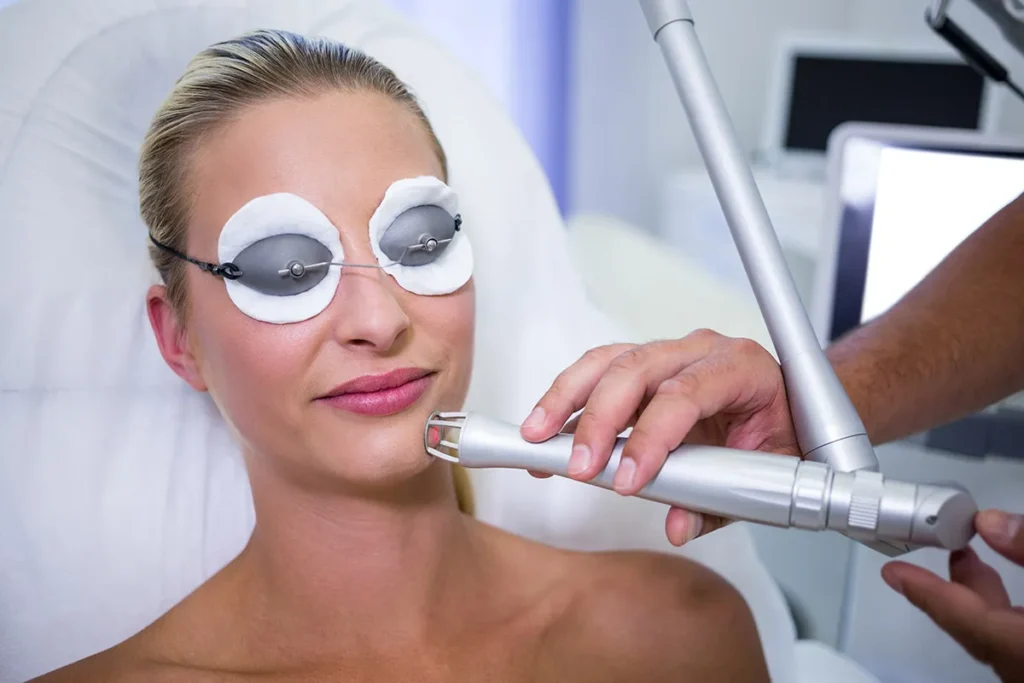
The main difference between ablative and non-ablative lasers is how they interact with skin. This leads to different results in making the skin look younger.
Tissue Interaction and Damage Mechanisms
Ablative lasers remove the top skin layers. They heat the skin below, causing small wounds. These wounds help the skin to heal and grow back stronger.
This method gives quick and noticeable results. It works well for deep wrinkles, sun damage, and scars.
Non-ablative lasers, on the other hand, boost collagen without harming the skin’s surface. This leads to gradual skin improvement. It also means less time off from daily activities compared to ablative treatments.
Immediate Effects on Skin Appearance
Ablative laser treatments show quick results. The skin looks smoother and wrinkles are less noticeable. But, the skin might look red and swollen right after, like a mild sunburn.
Non-ablative lasers have more subtle effects at first. The skin looks better over time as collagen increases. But, it takes more sessions to see the full effect of these treatments.
Comparing Results and Recovery Expectations
Laser skin resurfacing comes in two main types: ablative and non-ablative. Each has its own benefits and drawbacks. They cater to different skin needs and what patients want.
Ablative Treatments: Dramatic Results with Longer Downtime
Ablative lasers give dramatic results by removing the skin’s top layers. They also boost collagen in the deeper layers. This makes the skin look smoother and better.
But, ablative treatments mean a longer recovery. The skin might look red, swollen, and sensitive. Recovery time can be a week or more.
During this time, it’s key to follow a good skincare routine. This helps the skin heal well and look its best.
Non-Ablative Options: Gradual Improvement with Minimal Recovery
Non-ablative lasers heat the skin beneath without harming the surface. They lead to gradual improvement in skin texture and look. This method boosts collagen and tightens the skin without long downtime.
These treatments are great for those with mild skin issues or who can’t take a long break. The results are subtle but effective, and can be kept up with regular sessions.
Choosing between ablative and non-ablative lasers depends on your skin goals and lifestyle. Talking to a skincare expert can help pick the right one for you.
Conclusion: Selecting the Right Laser Treatment for Your Needs
It’s key to know the difference between ablative laser and non-ablative lasers. This choice depends on your skin type, goals, and how much downtime you can handle. Your provider will guide you to the best option for you.
When looking at ablative versus non-ablative lasers, think about the benefits and results. Non ablative treatments improve your skin slowly with little recovery time. On the other hand, ablative laser treatments give quick, dramatic results but require more time off.
At Ageless Aesthetics, our team is highly skilled in using energy-based devices. We carefully examine your skin before suggesting any laser treatment. We also offer full support after your treatment to help your skin heal well. Find the laser treatment that makes you glow.
Take control of your beauty and start your path to glowing, ageless skin. With the right advice, you can find the non ablative vs ablative laser treatment that meets your specific skin needs and goals.
FAQ
What is the difference between ablative and non-ablative laser skin resurfacing?
Ablative lasers remove the top skin layers, causing damage that rejuvenates the skin. Non-ablative lasers, on the other hand, boost collagen without harming the skin’s surface. This leads to more subtle improvements.
What are ablative lasers used for?
Ablative lasers treat deep wrinkles, sun damage, and acne scars. They offer dramatic results.
What is non-ablative laser treatment?
Non-ablative laser treatment boosts collagen and improves skin texture. It’s perfect for those with mild skin issues or who can’t take a long recovery.
How do ablative and non-ablative lasers interact with skin tissue?
Ablative lasers remove the top skin layers. Non-ablative lasers heat the deeper tissue, stimulating collagen without harming the surface.
What are the immediate effects of ablative laser treatment on skin appearance?
After ablative laser treatment, you might see redness, swelling, and a rough texture. But these effects are temporary and lead to significant rejuvenation.
How long does it take to recover from ablative laser treatment?
Recovery from ablative laser treatment takes longer. It can take several days to a week or more, depending on the treatment’s intensity.
What are the benefits of non-ablative laser treatment?
Non-ablative laser treatment offers subtle improvements in skin texture and tone. It has minimal recovery time, making it great for those with busy lives or who prefer a low-key approach.
Can I achieve dramatic results with non-ablative laser treatment?
Non-ablative laser treatment can show noticeable improvements. But, it might need multiple sessions for the best results. The outcome might be more subtle than ablative laser treatment.
How do I choose between ablative and non-ablative laser treatment?
Choosing between ablative and non-ablative laser treatment depends on your skin concerns, type, and preferences. It’s important to talk to a qualified professional to find the best treatment for you.
Referenties
Nationaal Centrum voor Biotechnologie-informatie. Evidence-Based Medisch Inzicht. Opgehaald van https://pubmed.ncbi.nlm.nih.gov/10475104/





