
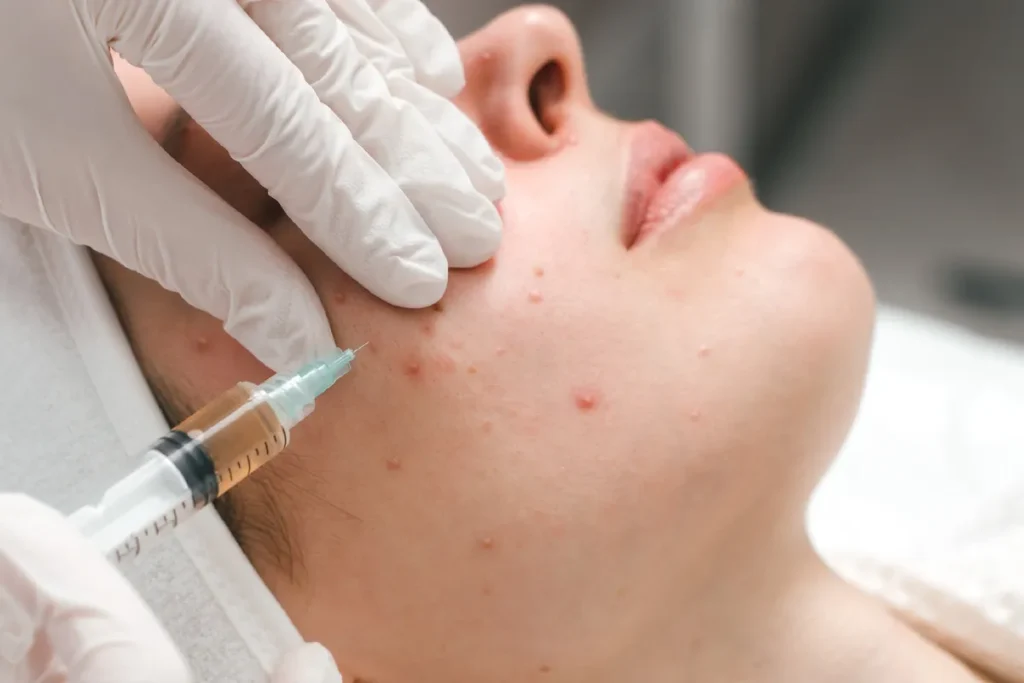
Get flawless results with acne laser treatment. This guide explains how laser technology removes scars and prevents future breakouts easily.
Discover your radiant glow with laser acne treatment. This cutting-edge solution has changed the game in dermatology. It’s non-invasive and works wonders, reducing breakouts and scars for clearer skin.
The Aerolase acne laser treatment offers luxury and elegance. It reduces inflammation, minimizes scarring risk, and gives lasting results. It’s perfect for all skin types, making it a top choice for treating acne and scars.
Belangrijkste opmerkingen
Clinically proven efficacy in reducing active breakouts and acne scars
Non-invasive and suitable for all skin types
Reduced inflammation and redness
Minimized risk of scarring
Long-lasting results with modern laser technology
Understanding Laser Technology for Acne

Laser therapy for acne is a new and exciting way to fight acne. It uses advanced technology to tackle different acne problems. This method is getting a lot of attention in the field of dermatology, thanks to its proven results.
How Lasers Target Different Types of Acne
Lasers are made to attack the root causes of acne. They focus on the oil glands, bacteria, and inflammation. Each type of laser is designed for a specific acne problem, like:
Active breakouts: Lasers kill the bacteria that cause acne, reducing swelling and stopping new breakouts.
Acne scars: Fractional lasers, like CO2 and Er:YAG lasers, help make scars less noticeable by boosting collagen.
A study from 2014 to 2024 looked at 536 articles on laser treatments. It found that research is growing, leading to more tailored and effective treatments.
Research Evidence and Treatment Efficacy
Research shows laser treatments can be very effective against acne. For example, a study compared CO2 and Er:YAG lasers for acne scars. It found that CO2 lasers worked better and had less downtime.
CO2 lasers are the most used technology for treating acne scars.
Er:YAG lasers are good for some skin types because they have fewer side effects.
The 1726-nm sebum-selective laser is promising for treating active acne by reducing oil.
These findings highlight the power of laser technology in transforming acne treatment. It offers patients a radiant glow and timeless beauty through effective and efficient methods.
Types of Laser Treatments for Acne
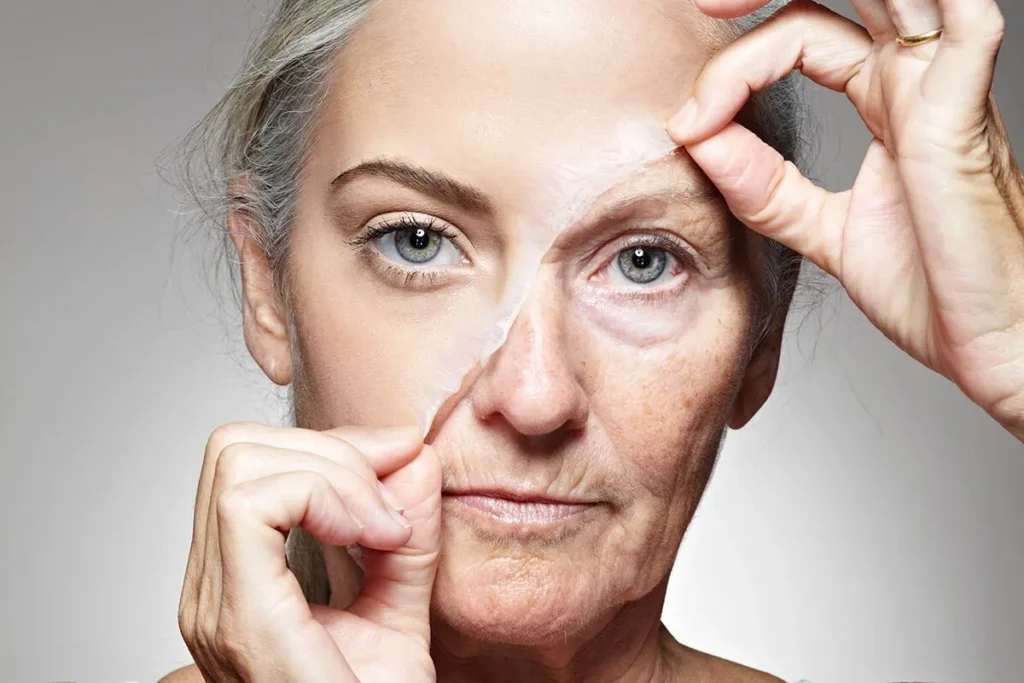
Discover the secret to glowing, clear skin with the latest laser technology. Laser treatments have changed how we fight acne. They offer precise solutions for both current breakouts and old scars. Knowing which laser is best for your skin is key.
CO2 Fractional Laser for Acne Scars
The CO2 fractional laser is a strong ally against acne scars. It makes tiny injuries in the skin to boost collagen. This leads to new, healthy skin cells, making scars less visible.
CO2 fractional laser treatments work well on deep scars. They can be adjusted for different skin types.
Er:YAG Fractional Laser Benefits
The Er:YAG fractional laser is gentler for sensitive skin or mild scarring. It helps renew collagen and improve skin texture with little downtime. Er:YAG laser treatments are great for keeping skin healthy and tackling early aging signs.
1726-nm Sebum-Selective Laser for Active Breakouts
The 1726-nm sebum-selective laser is a game-changer for active acne. It targets the sebaceous glands to cut down sebum and breakouts. Studies show it greatly improves moderate-to-severe acne, lasting at least six months.
Learning about the different laser treatments helps you choose the best one. Whether you’re dealing with current breakouts or acne scars, there’s a laser to help you get clearer, healthier skin.
The Acne Laser Treatment Process
Discover how laser treatment for acne can transform your skin. It starts with a detailed consultation. Here, a skincare expert will check your skin and plan the best treatment for you.
Consultatie en voorbereiding vóór de behandeling
Before the laser treatment, a detailed consultation is done. This checks your skin type, acne severity, and past treatments. It’s key to tailor the treatment for the best results. Preparation may include avoiding certain skincare products, sun exposure, and medications that could interfere with the treatment.
Avoid direct sun exposure and tanning beds for at least two weeks prior to treatment.
Stop using retinoids and other exfoliating products a few days before the procedure.
Inform your practitioner about any medications or supplements you’re taking.
Step-by-Step Procedure Experience
On treatment day, your skin is cleaned, and a topical anesthetic may be applied. The laser procedure for acne uses a laser beam on targeted areas. It kills bacteria and reduces inflammation. The Aerolase laser treatment is known for its comfort and effectiveness, feeling like a warm, gentle snap.
Pain Management and Session Duration
Most find the laser treatment comfortable, feeling like a rubber band snap. Sessions last 15 to 30 minutes, based on the area size and condition. For more on laser treatment’s benefits, visit this resource.
Post-treatment care is also vital. Your practitioner will guide you on caring for your skin. They’ll suggest products to soothe and protect your skin as it heals.
Conclusion: Recovery, Results and Maintenance
Unlock your radiant glow with laser acne treatment, a cutting-edge solution for achieving timeless beauty. After the treatment, gentle care is essential to maintain the results. Apply a hydrating moisturizer to keep your skin supple and refreshed.
To sustain long-term results, maintenance sessions may be recommended. Protect your skin from sun exposure and follow a gentle skincare regimen. This will help preserve the clarity and texture achieved through laser treatment acne.
With laser for acne, you can say goodbye to active breakouts and hello to a smoother complexion. By incorporating acne treatment laser therapy into your skincare routine, you’re investing in a transformative journey. This journey leads to universal radiance and confidence.
Embark on your path to luminous skin and own your beauty with the power of laser technology. Experience the luxury transformation that awaits you. Start your journey to a more radiant you.
FAQ
What is laser acne treatment?
Laser acne treatment is a non-invasive method. It uses laser technology to target and reduce acne. This promotes clearer skin and a radiant glow.
How does laser technology target different types of acne?
Lasers emit specific wavelengths that are absorbed by the sebaceous glands, bacteria, or inflamed skin. This reduces inflammation and prevents future breakouts.
What are the benefits of CO2 fractional laser for acne scars?
CO2 fractional laser treatment is clinically proven to reduce acne scars. It promotes smoother skin and a more even tone. Results are dramatic in a few sessions.
Is laser acne treatment painful?
Some patients may feel mild discomfort during treatment. Most clinics offer pain management options. These include topical anesthetics or cooling devices to ensure comfort.
How long does a laser acne treatment session last?
Session duration varies based on the laser type and acne severity. It usually ranges from 15 to 60 minutes.
What can I expect after laser acne treatment?
You can expect a reduction in acne and inflammation after treatment. Improvement continues over the next few weeks as the skin heals and regenerates.
How many laser acne treatment sessions are needed?
The number of sessions varies based on individual skin conditions and treatment goals. Most patients achieve optimal results with 3-6 sessions.
Are there any side effects of laser acne treatment?
Common side effects are mild and temporary. These include redness, swelling, or sensitivity. They usually resolve within a few days.
Can laser acne treatment be used on all skin types?
Yes, laser acne treatment can be tailored for various skin types and tones. The Aerolase laser is a popular choice for its safety and efficacy across different skin types.
How do I maintain the results of laser acne treatment?
To maintain results, follow a consistent skincare routine and use sun protection. Also, attend follow-up appointments as recommended by your practitioner.
Referenties
Nationaal Centrum voor Biotechnologie-informatie. Evidence-Based Medisch Inzicht. Opgehaald van https://pmc.ncbi.nlm.nih.gov/articles/PMC11845970/





