
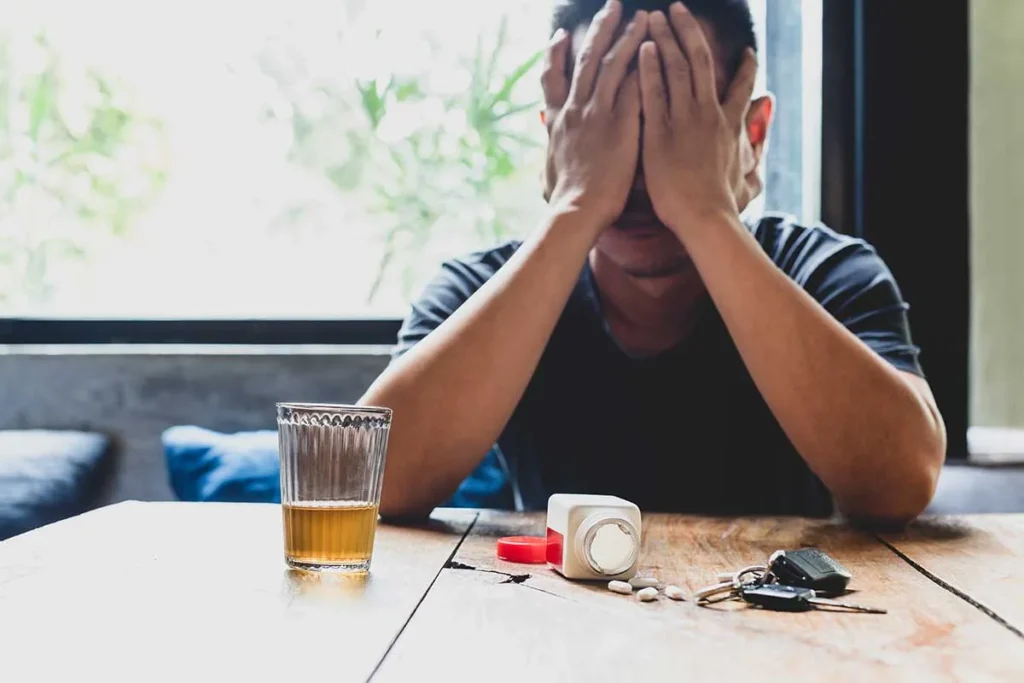
The link between alcohol consumption and mental health is complex. Alcohol-induced psychosis is a severe and often overlooked condition.
Heavy drinking can cause psychiatric symptoms like hallucinations and delusions. These symptoms are similar to schizophrenia. About 9% of people with alcohol use disorder experience these symptoms, showing how important this issue is.
It’s vital to understand the risk factors and how common alcohol-induced psychosis is. This condition is a serious mental health issue that needs attention and awareness.
Belangrijkste opmerkingen
Heavy alcohol consumption can lead to psychotic symptoms.
Approximately 9% of individuals with alcohol use disorder develop psychotic symptoms.
Alcohol-induced psychosis can mimic schizophrenia.
Early intervention is key to treating alcohol-induced psychosis.
Knowing the risk factors helps prevent alcohol-induced psychosis.
Understanding Alcohol and Psychosis

Exploring the connection between alcohol and psychosis is complex. It involves looking at how alcohol misuse affects the mind and brain. Alcohol-induced psychosis is a specific condition where people with a history of alcohol use show psychotic symptoms like hallucinations and delusions.
Definition of Alcohol-Induced Psychosis
Alcohol-induced psychosis is when people experience psychotic symptoms because of drinking or withdrawal. It’s different from other alcohol-related issues and mental health problems like schizophrenia. To be diagnosed, someone must show psychotic symptoms while drunk or during withdrawal.
It’s important to tell alcohol-induced psychosis apart from other psychotic disorders. This condition often comes from long-term, heavy drinking. Its symptoms can go away if the person stops drinking.
Prevalentie en statistieken
Studies show that about 0.5% of people have had alcohol-induced psychosis at some point. But, this number jumps to 1.8% for working-age men. This shows a big difference in how often it happens in men versus women.
The numbers highlight the need for special help and support for those at risk. Catching and treating it early can make a big difference in their lives.
Types and Symptoms of Alcohol-Induced Psychotic Disorders

It’s important to know about the types and symptoms of alcohol-induced psychotic disorders. This knowledge helps in diagnosing and treating these conditions. Alcohol misuse can cause different psychotic symptoms, each with its own severity and presentation.
Acute Intoxication Psychosis
Acute intoxication psychosis happens during or right after drinking a lot of alcohol. Symptoms include hallucinations, delusional thinking, and odd behavior. This condition is linked to drinking a lot in a short time.
Alcohol Withdrawal Psychosis
Alcohol withdrawal psychosis happens when someone stops drinking after drinking a lot. Symptoms can be serious and include auditory hallucinations. These are the most common type of hallucination.
Common Psychotic Symptoms
Common symptoms in alcohol-induced psychotic disorders include hallucinations, delusions, and disorganized thinking. Hallucinations can be heard, seen, or felt, with hearing being the most common. Delusions can vary from paranoid to grandiose.
The way symptoms show up can differ a lot between people. This depends on how long and how much they’ve been drinking. Knowing these symptoms is key to diagnosing and treating alcohol-induced psychotic disorders well.
Risk Factors and Long-Term Complications
Alcohol-induced psychosis has many risk factors. These include how long and how much someone has used alcohol. People who have used alcohol for a long time or in large amounts are more likely to get this condition.
Duration and Severity of Alcohol Dependence
Studies show that how long and how much someone drinks matters. Prolonged alcohol use can change the brain’s chemistry. This can lead to psychotic episodes. A study found that those with severe alcohol dependence are more likely to have psychotic symptoms.
Risk of Conversion to Schizophrenia
Alcohol-induced psychosis can lead to schizophrenia. About 22% of those with alcohol-induced psychosis will get schizophrenia. This is why it’s important to watch them closely and provide ongoing care. For more on schizophrenia, visit this resource.
Co-occurring Mental Health Conditions
Many people with alcohol-induced psychosis also have other mental health issues. About 37% have other mental health disorders. This makes treatment more complex. A full approach is needed to manage these conditions.
It’s key to understand these risks and complications for effective care. By recognizing the complexity of alcohol-induced psychosis, healthcare can offer better support. This helps improve outcomes for those affected.
Conclusion: Diagnosis, Treatment, and Prevention
It’s important to understand alcohol-induced psychosis to get the right treatment. Doctors check how bad the withdrawal symptoms are and make sure it’s not something else. This helps them give the best care and support.
For treating alcohol-induced psychosis, doctors use detox, medicines, and therapy. These help control symptoms and support recovery. Staying sober is key to avoid going back to drinking and to prevent long-term mental health problems.
Preventing alcohol-induced psychosis means tackling the reasons behind drinking too much. We can encourage healthy drinking and help those struggling with addiction. Getting professional help is a big step towards getting better and staying well.
Managing alcohol-induced psychosis needs a full plan that includes diagnosis, treatment, and prevention. Knowing the dangers of drinking and psychosis helps people protect their mental health. They can take steps to stay safe and healthy.
FAQ
What is alcohol-induced psychosis?
Alcohol-induced psychosis is when people see or hear things that aren’t there because of too much drinking. It’s a serious mental health issue that needs quick medical help.
Can drinking cause psychosis?
Yes, drinking can lead to psychosis in some people. This can happen when someone is drunk or going through withdrawal. It often happens with heavy or long-term drinking.
What are the symptoms of alcohol-induced psychosis?
Symptoms can include seeing or hearing things that aren’t there, thinking in a jumbled way, and acting strangely. These symptoms can be very upsetting and make daily life hard.
How does alcohol-induced psychosis differ from schizophrenia?
Alcohol-induced psychosis is different from schizophrenia, even though they share some symptoms. The main difference is cause: alcohol use causes psychosis, but schizophrenia is a long-term mental health issue with a more complex cause.
What is the risk of developing schizophrenia after experiencing alcohol-induced psychosis?
People who have had alcohol-induced psychosis might be more likely to get schizophrenia. Studies show a high risk, which is higher if there’s a family history of schizophrenia.
Can alcohol withdrawal cause psychosis?
Yes, withdrawal from alcohol can cause psychosis in some. This is a serious condition that needs medical help right away, as it can be dangerous if not treated.
How is alcohol-induced psychosis diagnosed?
Doctors diagnose alcohol-induced psychosis by looking at symptoms, medical history, and how much alcohol someone uses. They use special tools and criteria to make the diagnosis.
What are the treatment options for alcohol-induced psychosis?
Treatment includes medicine to manage symptoms and counseling to help with underlying issues. Support groups can also help individuals find ways to cope.
Can alcohol-induced psychosis be prevented?
Preventing it means not drinking too much. People can reduce risk by drinking in moderation, getting help for alcohol problems, and dealing with mental health issues.
Are there any long-term complications associated with alcohol-induced psychosis?
Yes, there can be long-term problems like a higher chance of schizophrenia, brain damage, and other mental health issues. Getting treatment early and ongoing support can help avoid these problems.
Referenties
Nationaal Centrum voor Biotechnologie-informatie. Evidence-Based Medisch Inzicht. Opgehaald van https://pmc.ncbi.nlm.nih.gov/articles/PMC6819195/





