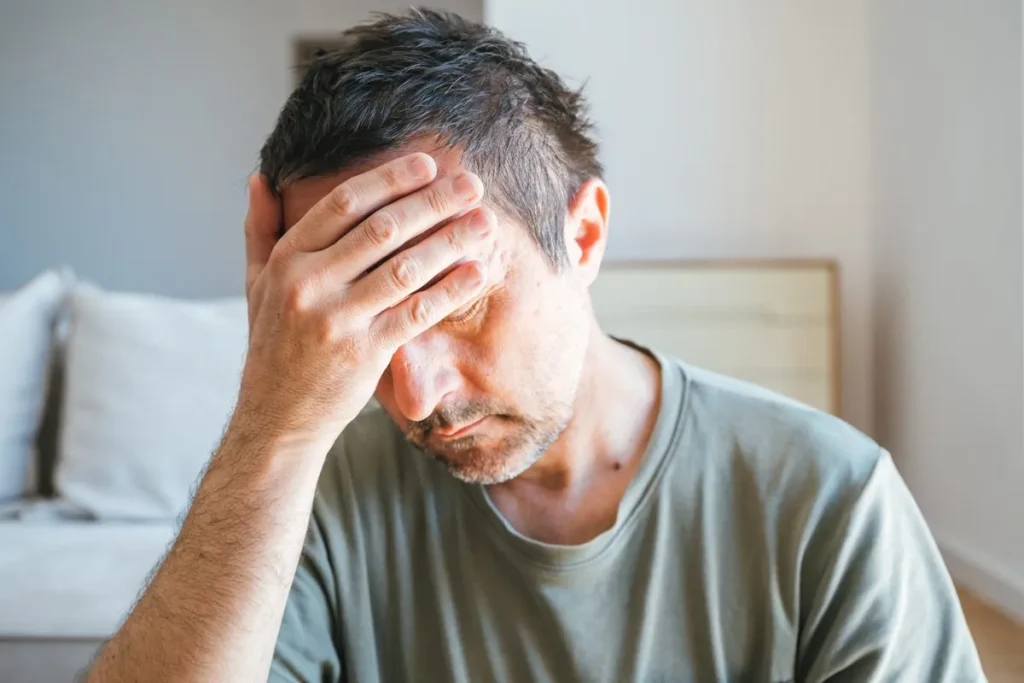
Ever felt sad or depressed the day after drinking? This feeling shows a deep truth about alcohol’s impact on your brain and mood. While alcohol might seem to relax you, studies show it can harm the brain’s mood control systems.
It’s key to understand how alcohol and depression are linked. Knowing this helps us see the dangers and work towards a better life. Drinking too much changes how our brain chemicals work, like dopamine and serotonin. This can make us more likely to feel depressed.
Belangrijkste opmerkingen
Alcohol can change brain chemistry a lot.
There’s a two-way link between alcohol use and depression.
Drinking too much can raise depression risk.
Changes in brain chemicals like serotonin can cause mood swings.
Knowing the risks helps us live healthier.
The Science Behind Why Alcohol Makes You Depressed

Alcohol and depression have a complex link. It’s important to understand how alcohol affects the brain. It changes mood, behavior, and mental health.
How Alcohol Alters Brain Chemistry
Drinking alcohol changes brain chemistry, affecting mood control areas. It first causes feelings of happiness. But, long-term use can lead to sadness.
Research reveals alcohol boosts dopamine at first, making us feel good. But, it then drains these systems, causing lasting sadness and depression.
Neurotransmitter Disruption: Dopamine, Serotonin, and GABA
Alcohol messes with key neurotransmitters like dopamine, serotonin, and GABA. Dopamine is linked to pleasure, serotonin to mood, and GABA to calmness.
Heavy, regular drinking harms these systems. For example, it can lower serotonin, causing depression.
Knowing how alcohol affects neurotransmitters helps us understand why does alcohol make you depressed. These changes can cause long-lasting mood issues, leading to depression.
Looking into alcohol’s effects on brain chemistry shows its dangers. Heavy drinking can seriously harm mental health, raising questions like does drinking alcohol make you depressed?
The Relationship Between Alcohol Consumption and Depression
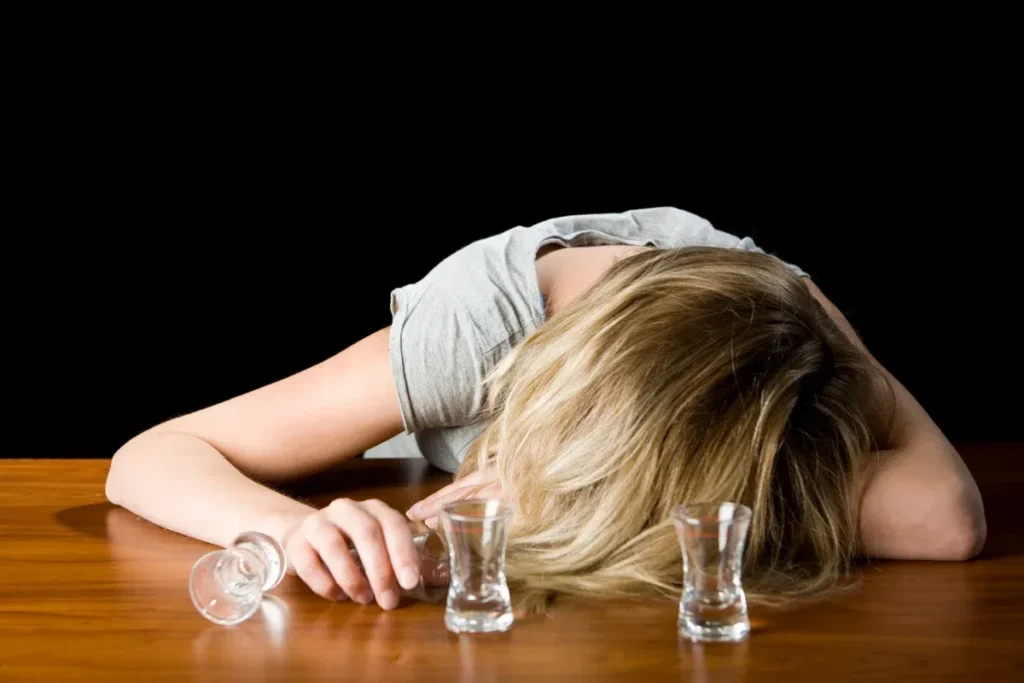
Alcohol and depression have a two-way relationship. Alcohol can make depression worse, and depression can lead to more drinking. This cycle is influenced by how alcohol affects mood in the short and long term.
Short-term Euphoria vs. Long-term Mood Effects
People often drink to feel better and to relax. At first, alcohol can make you feel happy because it changes your brain’s chemistry. But, this happiness is short-lived and can harm your mental health over time.
Drinking a lot can mess with your brain’s chemicals, leading to depression. Studies show that drinking more often means a higher chance of getting depressed. Cutting down on drinking might help prevent or manage depression.
The Bidirectional Link: Depression Leading to Drinking
Depression and drinking are linked in both ways. Drinking can cause depression, and people with depression might drink more to try to feel better. This creates a cycle where drinking makes depression worse, and depression leads to more drinking.
People with mental health issues, like depression, are more likely to become alcohol dependent. Research shows that those with psychiatric disorders are almost twice as likely to have alcohol dependence. For more information, visit American Addiction Centers.
Research on Frequency of Drinking and Depression Risk
Studies have found that drinking more often raises the risk of depression. The more you drink, the more likely you are to feel depressed. This shows why it’s important to drink responsibly and seek help if you drink too much.
Frequent drinking increases the risk of depression.
The prevalence of depression is higher among those who consume alcohol regularly.
Reducing alcohol intake can help in managing depressive symptoms.
It’s key to understand how alcohol and depression affect each other. By recognizing this relationship, we can find better ways to prevent and manage these issues. Seeking help and support is important for those struggling with alcohol use and depression.
Conclusion: Managing and Preventing Alcohol-Related Depression
Knowing why alcohol can make you feel depressed is key to stopping the cycle. Studies show that cutting down or stopping drinking can greatly boost your mood and mental health. For those who are depressed, quitting alcohol for just four weeks can make a big difference.
If you’re dealing with severe depression after drinking, think about drinking less or getting help to control your drinking. This is a big step towards better mental health and less depression risk.
It’s important to see the connection between drinking and depression and take action. By making smart choices about your drinking, you can lead a healthier, happier life.
FAQ
Why does alcohol make me feel depressed?
Alcohol changes how our brain works, affecting important chemicals like dopamine and serotonin. This can make us feel sad and depressed. Drinking too much can mess up these chemicals, making us feel down.
Does drinking alcohol cause depression?
Drinking alcohol doesn’t directly cause depression. But, it can make depression worse. Drinking and depression can feed into each other, making symptoms worse.
Why do I feel sad after drinking alcohol?
Drinking can make us feel sad because it uses up important chemicals in our brain. This can lead to a crash, making us feel down. The hangover also affects our mood.
Can alcohol consumption lead to long-term depression?
Yes, drinking too much can lead to long-term sadness. It changes how our brain works, causing ongoing feelings of sadness.
How does alcohol affect neurotransmitters?
Alcohol changes the levels and how neurotransmitters like dopamine work. This can affect our mood and mental health, leading to depression.
Why do I get depressed after a night of drinking?
Drinking depletes important chemicals in our brain, leading to depression. This is known as a hangover. Dehydration and the body’s reaction to alcohol also play a part.
Is there a link between frequency of drinking and depression risk?
Yes, drinking often can increase depression risk. The more you drink, the higher your risk of feeling sad.
Can reducing alcohol intake improve mental health?
Yes, drinking less can help with depression and improve mental health. It helps keep brain chemistry balanced, leading to a healthier mind.
Why does alcohol make me feel depressed the day after?
The day after drinking, our body is recovering. The loss of neurotransmitters, dehydration, and inflammation can make us feel depressed, anxious, and tired.
How can I manage alcohol-related depression?
To manage depression from drinking, drink less, reduce stress, and seek help if needed. A healthy lifestyle can help improve mood and reduce symptoms.
Referenties
Nationaal Centrum voor Biotechnologie-informatie. Evidence-Based Medisch Inzicht. Opgehaald van https://pubmed.ncbi.nlm.nih.gov/10550211/