
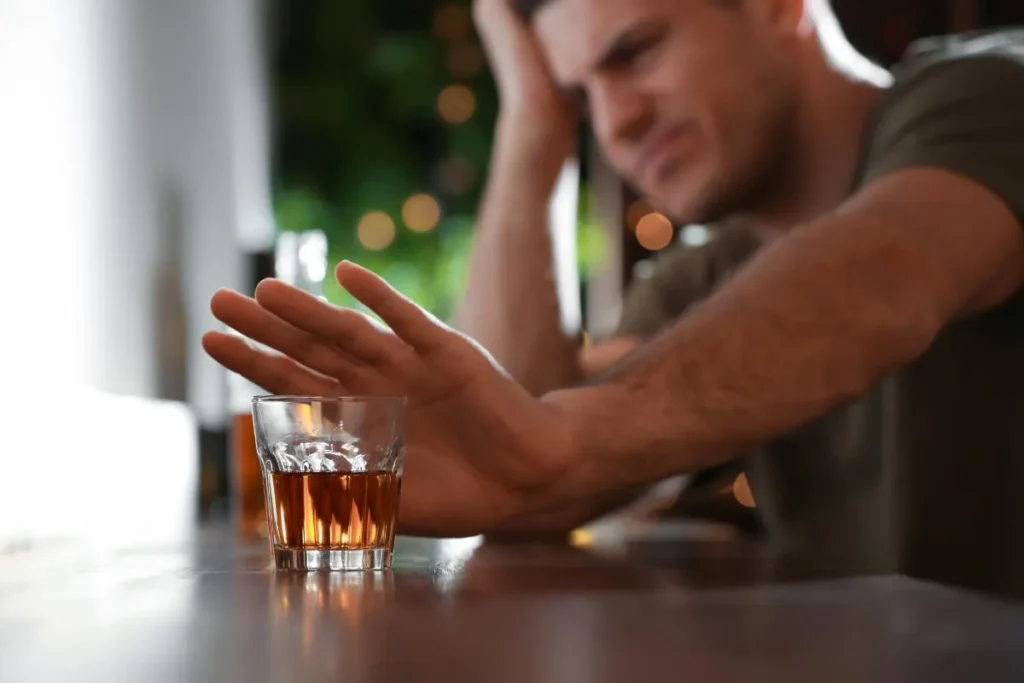
Stopping drinking after heavy alcohol use can lead to sudden tremors. These withdrawal shakes make simple tasks hard, like holding a cup or writing. They show your nervous system adjusting after being exposed to a depressant drug for too long.
Knowing the timeline, causes, and safe treatments is key. Untreated withdrawal can lead to serious health risks. The time it takes for these shakes to go away varies. But usually, symptoms peak in 24-48 hours after the last drink and start to fade in a few days.
Belangrijkste opmerkingen
Alcohol withdrawal starts when alcohol levels in the blood drop below normal.
Mild symptoms can begin as soon as six hours after the last drink.
Physical withdrawal symptoms usually peak around 48-72 hours after the last drink.
Symptoms can last up to two weeks.
Knowing how to manage and stop alcohol tremors is vital for those recovering from alcohol dependence.
Understanding Alcohol Withdrawal Shakes
When someone stops drinking suddenly, their body might shake or tremble. Alcohol is a depressant that changes how the brain works. It affects neurotransmitters like GABA and glutamate. When alcohol is gone, the brain gets too excited, causing shakes.
What Causes Alcohol Withdrawal Tremors
Alcohol withdrawal tremors happen when someone stops drinking. This disrupts the brain’s balance of neurotransmitters. Doctors say the brain gets too excited without alcohol, leading to shakes.
The brain adjusts to alcohol by changing its chemistry. Without alcohol, this balance is disrupted. This leads to an overactive brain, causing tremors. People often shake their hands involuntarily.
De symptomen herkennen
It’s important to know the signs of alcohol withdrawal shakes. Symptoms can be mild or severe and include:
Involuntary shaking or tremors, mainly in the hands
Anxiety and agitation
Misselijkheid en braken
Insomnia or disturbed sleep patterns
Watching for these symptoms closely is key. They can get worse and lead to serious problems like delirium tremens. A doctor says early help can make a big difference.
The time when shakes happen varies. But they usually get worse in 24-48 hours after drinking stops. Knowing how long do alcohol tremors last and how to stop the shakes from alcohol helps manage withdrawal better.
Alcohol Tremors Timeline: From Onset to Recovery
The time it takes for alcohol tremors to start and stop varies. This depends on how much someone drinks. Knowing this timeline helps those going through withdrawal. It prepares them for what’s coming and when to get medical help.
Early Stage: 5-10 Hours After Last Drink
Shakes start 5-10 hours after drinking stops. At first, symptoms are mild. These include hand tremors, feeling anxious, and trouble sleeping. As the body gets used to not having alcohol, these signs can get worse.
Peak Intensity: 24-48 Hours Into Withdrawal
The shakes get worse 24-48 hours after stopping drinking. This time is hard because symptoms are strong. Having people to support you is very important during this period.
How Long Do Alcohol Shakes Last?
How long shakes last varies a lot. It depends on how much someone drinks, their health, and treatment. Shakes can last from a few days to weeks.
Knowing the timeline and what affects it helps people going through withdrawal. It helps them prepare and know when to get medical help.
How to Stop the Shakes from Alcohol
Stopping alcohol shakes needs a mix of medical care and lifestyle changes. Most people with mild to moderate withdrawal see symptoms peak and start to fade in 24-72 hours. But, tremors can last longer. Knowing the treatments and when to get help is key to managing alcohol withdrawal shakes well.
Medical Treatments for Alcohol Tremors
Medical help is vital for managing tremors and other withdrawal symptoms, like delirium tremens. Benzodiazepines are the most used meds for alcohol withdrawal, helping to ease symptoms and prevent seizures. Doctors say these meds are key in the early stages of withdrawal. For more on managing alcohol withdrawal shakes, check out Columbus Recovery Center.
“Benzodiazepines have been the mainstay of treatment for alcohol withdrawal syndrome for decades,” a doctor notes. This shows how important it is to get professional help for alcohol withdrawal.
Home Remedies for Mild Alcohol Shakes
For mild alcohol shakes, some home remedies can help. Drinking lots of water and getting enough sleep are simple but effective ways. Also, eating a balanced diet full of vitamins and minerals helps your body recover. Avoiding stimulants like caffeine is also good, as they can make tremors worse.
Drink plenty of water to stay hydrated
Get adequate rest to help your body recover
Maintain a balanced diet rich in vitamins and minerals
Avoid stimulants like caffeine
When to Seek Emergency Help
Knowing when to seek emergency help during alcohol withdrawal is critical. Severe symptoms like hallucinations, seizures, or delirium tremens need immediate medical care. If you or someone you know is showing these signs, get help right away.
Severe alcohol withdrawal symptoms can be deadly, and quick medical help is essential. Understanding the risks and knowing when to act can save lives.
Conclusie
Knowing when alcohol tremors will go away is key to managing them. With the right treatment, people can beat alcohol addiction and handle withdrawal symptoms. This includes alcohol shakes and hand tremors from drinking.
To stop alcohol shakes, getting medical help and following a treatment plan is vital. This helps reduce symptoms and leads to recovery. How long shakes last after stopping drinking can vary, but with the right help, people can get through it.
Understanding how long shakes last and what affects their duration is important. It helps people manage their symptoms better. Handling alcohol shaking hands and other withdrawal symptoms is essential for a good recovery.
FAQ
What are alcohol tremors, and how do they occur?
Alcohol tremors, or withdrawal shakes, happen when someone suddenly stops drinking. This disrupts the brain’s balance. They usually affect the hands but can also happen in other parts of the body.
How long do alcohol shakes last after quitting drinking?
Alcohol shakes can start within 5-10 hours after the last drink. They usually peak in 24-48 hours. They start to get better in a few days.
What is the timeline for alcohol tremors?
Tremors from alcohol start within 5-10 hours after drinking stops. They peak in 24-48 hours. They can last for several days, depending on how much someone drank and their health.
How can I stop the shakes from alcohol?
To stop alcohol shakes, you need a plan. This includes medical help and home remedies. Drinking water and resting well can help. Doctors can give advice and prescribe medicine if needed.
How do I manage mild alcohol shakes at home?
For mild shakes, drink water, rest well, and eat a balanced diet. But, see a doctor if symptoms get worse or if you have severe withdrawal.
When should I seek emergency help for alcohol withdrawal shakes?
Get emergency help if you have severe symptoms like seizures, hallucinations, or very bad tremors. Also, if you’ve had a lot of trouble with alcohol before.
Can alcohol tremors be treated with medication?
Yes, doctors can give medicine to help with tremors and other withdrawal symptoms. The medicine and how much will depend on your needs and health history.
How long does it take for alcohol tremors to subside?
Tremors from alcohol usually start to get better in a few days. They peak in 24-48 hours.
Are there any home remedies to help alleviate alcohol shakes?
Yes, drinking water, resting, and eating well can help with mild shakes. But, see a doctor if symptoms get worse.
Referenties
Nationaal Centrum voor Biotechnologie-informatie. Evidence-Based Medisch Inzicht. Opgehaald van https://www.ncbi.nlm.nih.gov/books/NBK441882/





