
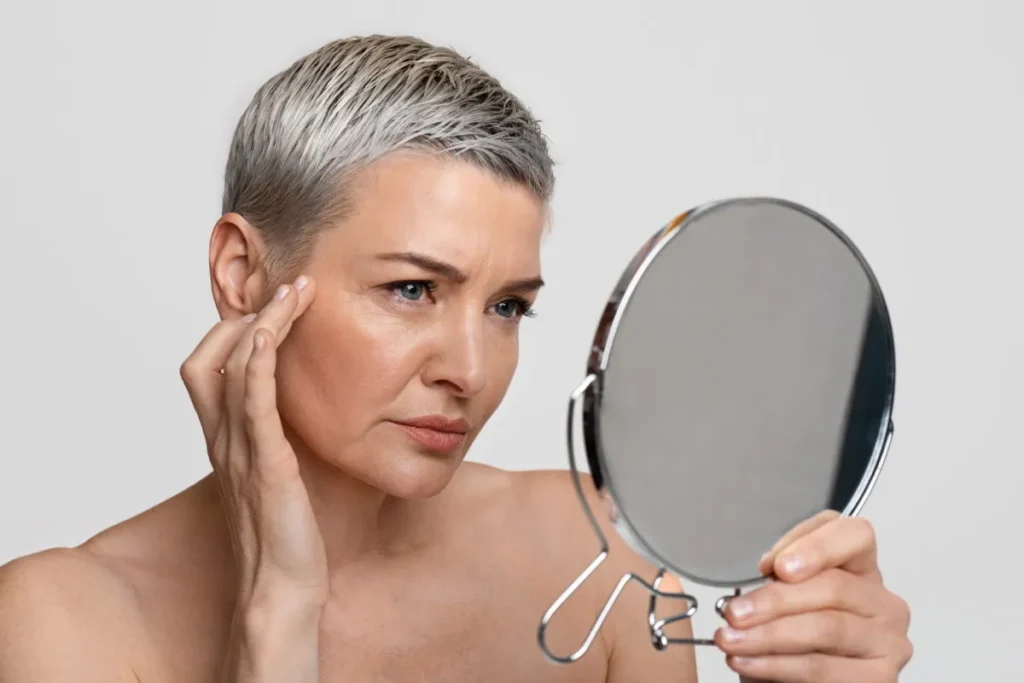
Ons gezicht vertelt het verhaal van ons leven. Als we deze veranderingen begrijpen, kunnen we beter voor onze huid zorgen. Gezichtsveroudering begint al vroeg en heeft meer invloed op ons dan we denken.
Studies tonen aan dat gezichtsveroudering begint tussen 20-30 jaar. Tegen de 30 zijn de veranderingen duidelijker merkbaar. Onze huid maakt minder collageen en elastine aan, die de huid stevig en elastisch houden.
Als we weten hoe ons gezicht verandert naarmate we ouder worden, kunnen we betere keuzes maken. Veranderingen zoals een breder gezicht, minder volume bij de slapen of lichte botverschuivingen horen allemaal bij het ouder worden. Deze veranderingen zijn natuurlijk.
Ontdek op welke leeftijd je gezicht het meest verandert vrouw. Deze krachtige gids geeft uitleg over pijnlijke veranderingen en biedt geweldige tips om er jonger uit te zien.
Belangrijkste opmerkingen
Gezichtsveroudering is een natuurlijk proces dat wordt beïnvloed door genetica, levensstijl en omgevingsfactoren.
De eerste tekenen van gezichtsveroudering verschijnen tussen de 20-30 jaar.
De productie van collageen en elastine neemt af naarmate je ouder wordt, wat de stevigheid en elasticiteit van de huid aantast.
Inzicht in gezichtsveranderingen stelt je in staat geïnformeerde keuzes te maken over preventie en zorg.
Gezichtsveroudering gaat gepaard met veranderingen in huid, botstructuur en volume.
De tijdlijn van gezichtsveroudering
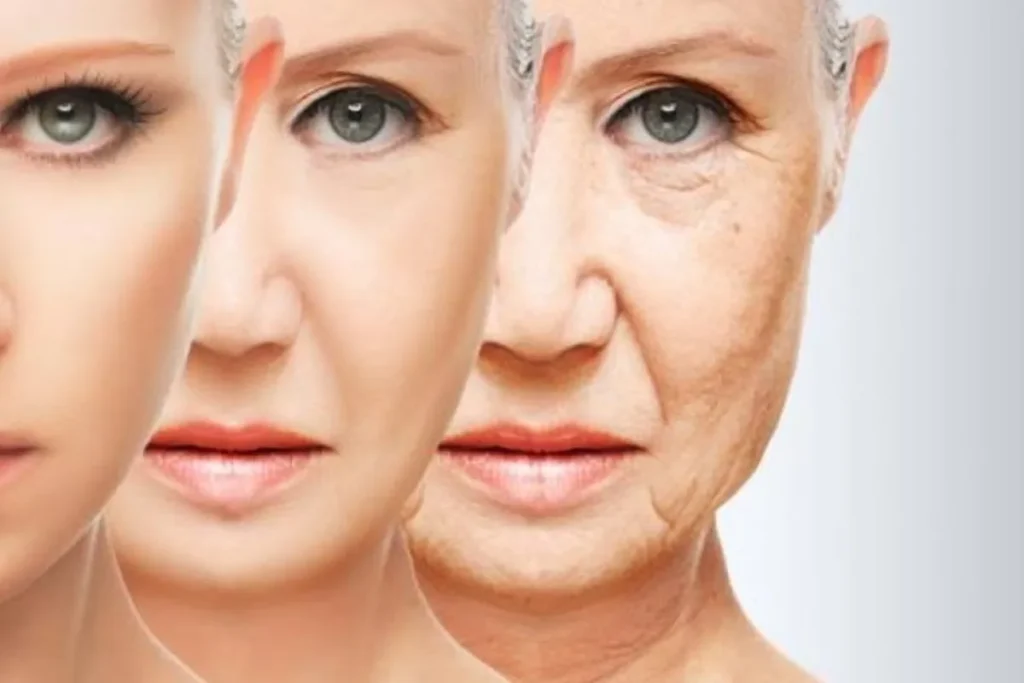
De tijd verandert ons gezicht, te beginnen in onze twintiger jaren. Als we weten hoe gezichtsveroudering in zijn werk gaat, kunnen we ervoor zorgen dat ons gezicht er jong blijft uitzien. Het wordt gevormd door genetica, omgeving en levensstijl.
Vroege veranderingen: Tekenen in je 20e
Als je 20 bent, begint veroudering met fijne lijntjes rond de ogen en voorhoofdsplooien. Deze zijn het gevolg van gezichtsuitdrukkingen en minder collageen en elastine. Gebruik huidverzorging met antioxidanten en hydraterende ingrediënten om stralend te blijven.
Bekijk voor meer informatie over ouder worden deze deskundige bron. Het biedt inzichten en tips voor gezond ouder worden.
De overgang van de jaren '30: Wanneer veranderingen beginnen te versnellen
Als je 30 bent, nemen collageen en elastine meer af, waardoor de huid er hoekig en dof uitziet. In dit decennium zie je diepere lijnen en mogelijke veranderingen in de gezichtsvorm. Gebruik retinol en anti-aging behandelingen in je huidverzorging.
Vroegtijdig ingrijpen kan van grote invloed zijn op de manier waarop je gezicht veroudert. Tegen het einde van je 30e zijn de effecten van veroudering en levensstijl duidelijk. Dit is het moment om actie te ondernemen.
Op welke leeftijd verandert je gezicht het meest bij vrouwen?
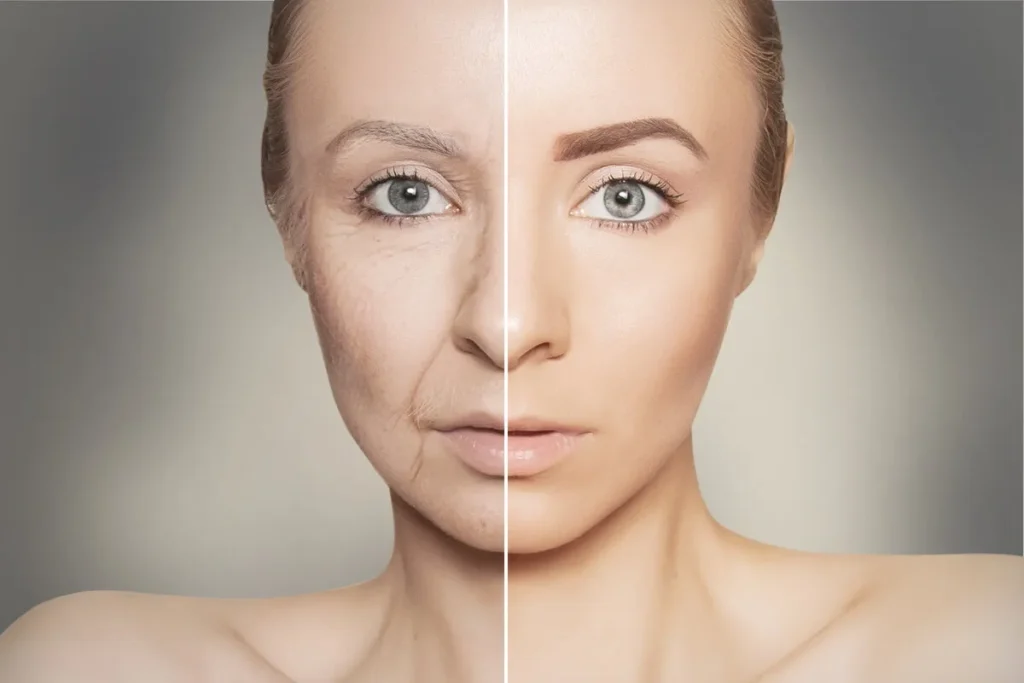
Het gezicht van vrouwen verandert veel naarmate ze ouder worden. Onderzoek toont aan dat er een belangrijke periode is waarin deze veranderingen het meest merkbaar zijn. Van 30 tot 60 jaar ondergaat het gezicht van vrouwen grote veranderingen die hun uiterlijk kunnen veranderen.
De kritieke periode: 30 tot 60 jaar
Tussen 30 en 60 jaar verandert er veel aan het gezicht van vrouwen. Studies tonen aan dat het gezicht van vrouwen in deze periode groter en breder wordt. Dit komt door vetverlies in de slapen en botveranderingen.
Het verouderingsproces in deze periode omvat verschillende belangrijke veranderingen:
Vetverlies en herverdeling: Vet verliezen in gebieden zoals de slapen kan het gezicht dunner doen lijken.
Botombouw: Veranderingen in de botstructuur kunnen de vorm van het gezicht veranderen.
Huidverslapping: Als de huid minder elastisch wordt, begint het gezicht te verslappen en vertoont het tekenen van veroudering.
Onderzoeksresultaten over gezichtsverouderingspatronen bij vrouwen
Onderzoek naar gezichtsveroudering bij vrouwen heeft ons belangrijke inzichten gegeven. Studies onthullen dat deze veranderingen niet alleen te maken hebben met rimpels en fijne lijntjes. Het gaat ook om grote structurele veranderingen.
Enkele belangrijke bevindingen zijn:
Het gezicht wordt breder en groter door botveranderingen en vetverplaatsingen.
Het gebied rond de slapen verliest vet, waardoor het er hol uitziet.
Een minder elastische huid doet het gezicht verslappen.
Kennis over deze veranderingen helpt vrouwen zich voor te bereiden op en om te gaan met tekenen van veroudering. Ze kunnen hun veranderende gezicht met vertrouwen omarmen.
Structurele transformaties in het ouder wordende gezicht
De tijd verandert het gezicht op vele manieren en beïnvloedt de vorm en het uiterlijk. Naarmate we ouder worden, veroorzaken verschillende factoren deze veranderingen. Het is belangrijk om deze veranderingen te kennen om te zien waarom we speciale huidverzorging en -behandelingen nodig hebben.
Verbreden en formaat veranderen: Wordt je gezicht groter?
Een grote verandering in het ouder wordende gezicht is de grootte en vorm ervan. Studies tonen aan dat het gezicht breder wordt en de botstructuur verandert, waardoor het groter lijkt. Dit gebeurt door het hermodelleren van de gezichtsbeenderen en het verplaatsen van vet.
De gezichtsbeenderen veranderen, wat de grootte van het gezicht beïnvloedt.
Vet dat zich verplaatst laat het gezicht breder of ouder lijken.
Door veranderingen in botten en zachte weefsels lijkt het gezicht groter of anders gevormd.
Vetverlies en herverdeling: De invloed van de tijdsregio
Veroudering veroorzaakt vetverlies en herverdeling in het gezicht, vooral in het slaapgebied. Hierdoor kan het gezicht er uitgehold uitzien, een teken van veroudering. Weten hoe vet beweegt is de sleutel tot het tegengaan van tekenen van veroudering.
Vetverlies op sommige plekken laat het gezicht er ouder uitzien.
Door vet te verplaatsen veranderen gezichtsvormen.
Speciale behandelingen kunnen het gezicht er jonger uit laten zien door vetverlies en beweging te corrigeren.
Botombouw en herpositionering van weke delen
Het remodelleren van botten en het bewegen van weke delen zijn grote onderdelen van veroudering. Naarmate we ouder worden, hermodelleren onze botten in het gezicht, waardoor weke delen terug bewegen. Dit is een belangrijke reden voor het verouderende uiterlijk van het gezicht.
Als we deze veranderingen begrijpen, zien we waarom gerichte huidverzorging en esthetische behandelingen belangrijk zijn. Door deze veranderingen te accepteren en de juiste verzorging te gebruiken, kunnen we ervoor zorgen dat ons gezicht er jong en stralend uit blijft zien als we ouder worden.
Conclusie: Je veranderende gezicht omarmen
Naarmate we ouder worden, verandert ons gezicht op allerlei manieren. Deze veranderingen kunnen klein of groot zijn. Het is belangrijk om deze gezichtsveranderingen bij het ouder worden te begrijpen om ons nieuwe uiterlijk te kunnen accepteren.
Veel dingen kunnen invloed hebben op hoe ons gezicht verandert naarmate we ouder worden. Genetica, levensstijl en de omgeving spelen een rol. In plaats van tegen deze veranderingen te vechten, kunnen we leren om van de nieuwe gelaatstrekken te houden.
Het accepteren van je veranderende gezicht betekent dat je weet dat je waarde niet alleen te maken heeft met je uiterlijk. Door je te richten op je innerlijke kwaliteiten en ervaringen bouw je een positief zelfbeeld op. Op deze manier kun je je zelfverzekerd voelen, hoe je gezicht ook verandert.
De staat van je gezicht bepaalt niet je schoonheid of waarde. Een positieve mindset en plezier in het leven kunnen je helpen om ouder worden met gratie en zelfvertrouwen tegemoet te treden.
FAQ
Waarom wordt mijn gezicht breder naarmate ik ouder word?
Naarmate we ouder worden, kan ons gezicht op veel manieren veranderen. Zo wordt ons gezicht breder door botveranderingen, vetverplaatsing en minder collageen en elastine.
Wordt je gezicht langer naarmate je ouder wordt?
Het gezicht van sommige mensen lijkt langer naarmate ze ouder worden, omdat ze vet verliezen en hun botdichtheid verandert. Maar bij anderen kan hun gezicht breder worden. Het hangt echt van de persoon af.
Verandert de vorm van je gezicht naarmate je ouder wordt?
Ja, de vorm van je gezicht kan veranderen naarmate je ouder wordt. Dit gebeurt door vetverlies, botveranderingen en huid die zijn elasticiteit verliest.
Hoe verandert je gezicht als je ouder wordt?
Gezichtsveroudering is complex. Het omvat fijne lijntjes, rimpels, minder collageen, vetverplaatsing en botveranderingen. Deze veranderingen kunnen de structuur en het uiterlijk van je gezicht veranderen.
Wat zijn de eerste tekenen van gezichtsveroudering?
De eerste tekenen van gezichtsveroudering verschijnen vaak rond je 20e en 30e. Je ziet dan fijne lijntjes, minder collageen en kleine veranderingen in de vorm van je gezicht.
Wordt je gezicht dikker naarmate je ouder wordt?
Niet altijd. Sommige mensen kunnen aankomen, waardoor hun gezicht er voller uitziet. Maar anderen kunnen vet verliezen, waardoor hun gezicht er uitgemergeld of hol uitziet.
Wordt je gezicht groter naarmate je ouder wordt?
Ja, de grootte en vorm van je gezicht kunnen veranderen naarmate je ouder wordt. Sommige mensen zien hun gezicht breder of langer worden door bot- en vetveranderingen.
Wat is de kritieke periode voor gezichtsveroudering bij vrouwen?
Gezichtsveroudering bij vrouwen is het meest zichtbaar tussen de 30 en 60 jaar. In deze periode vinden er grote veranderingen plaats door hormonen, levensstijl en natuurlijke veroudering.
Hoe kan ik een gezonde, jeugdig ogende huid behouden naarmate ik ouder word?
Gebruik een goede huidverzorgingsroutine om je huid er jong uit te laten zien. Bescherm je huid tegen de omgeving. Overweeg ook professionele behandelingen voor de behoeften van je huid.
Kan ik gezichtsveroudering voorkomen of terugdraaien?
Je kunt gezichtsveroudering niet helemaal stoppen, maar je kunt het wel vertragen. Goede huidverzorging, een gezonde levensstijl en behandelingen kunnen ervoor zorgen dat je huid er jong en stralend blijft uitzien.
Referenties
JAMA-netwerk. Evidence-Based Medisch Inzicht. Opgehaald van https://jamanetwork.com/journals/jamadermatology/fullarticle/2666801[3





