

Research shows that alcohol use among autistic people is complex and has big health risks. Autistic individuals might be more likely to face alcohol-related problems than others.
It’s important to understand the special risks and reasons why autistic people drink alcohol. Recent studies have uncovered the unique challenges autistic people face with alcohol.
Explore autism and alcohol risks with these critical safety secrets. Discover how drinking causes painful issues and find powerful alternatives.
Belangrijkste opmerkingen
Autistic individuals may face unique risks related to alcohol consumption.
The motivations for alcohol use among autistic individuals differ from the general population.
Understanding these distinctions is key for proper care and support.
Recent research has highlighted the complexities of alcohol use among autistic individuals.
Healthcare providers and families must be aware of these complexities to offer effective support.
Understanding Alcohol Consumption in Autistic Individuals

Looking into alcohol use among autistic people means checking out how often they drink and the risks they face. Autistic individuals might have unique experiences with alcohol. This is because of many different factors.
Research shows autistic people are less likely to drink at first. But, if they do, they might face more alcohol problems. This is because of brain differences and how they interact with others.
Prevalence Rates and Statistics
Studies have given us clues about how often autistic people drink. A big Swedish study found autistic people are 2 to 4 times more likely to get addicted. This shows we need to help them more.
Research Findings on Drinking Patterns
What autistic people drink can be influenced by many things. This includes social anxiety, how sensitive they are to sounds and sights, and if they have other mental health issues. Some research says autistic people might use alcohol to help themselves feel better. This can make them more likely to become dependent on alcohol.
Key findings include:
Autistic individuals may feel more anxious in social situations. This could lead them to drink more as a way to cope.
How sensitive they are to sounds and sights can affect their drinking. Some might avoid alcohol because of these sensitivities.
By understanding these complex factors, we can help autistic individuals make better choices about drinking. We can also offer the right help to those struggling with alcohol problems.
Unique Risks of Autism and Alcohol
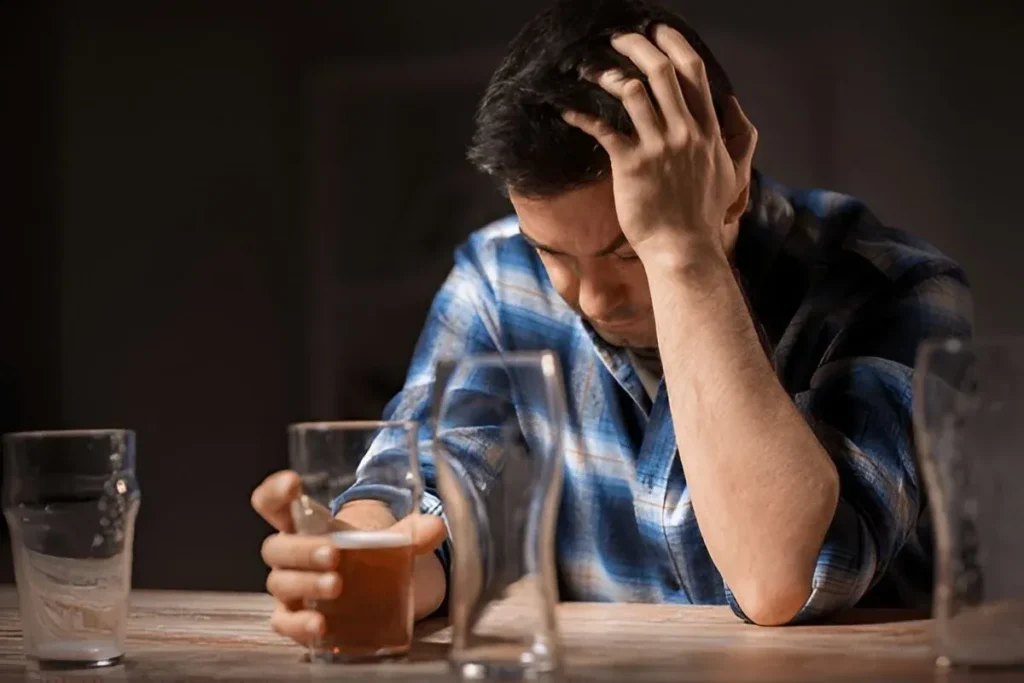
Autistic people face special challenges when drinking alcohol. They are more likely to have alcohol problems than others. This is because of their unique needs and behaviors.
Accelerated Progression to Dependence
Autistic people might quickly become dependent on alcohol. This is because of their social anxiety and repetitive behaviors. These traits can make them drink more and faster.
Key factors contributing to accelerated dependence include:
Social isolation and the use of alcohol as a coping mechanism
Difficulty in understanding social cues and norms around drinking
Co-occurring mental health conditions that may exacerbate alcohol use
Higher Vulnerability to Alcohol-Related Problems
Autistic people are more likely to face alcohol-related issues. Up to one in three may develop an alcohol or substance use disorder. This is due to several factors.
The risks include:
Increased risk of alcohol-related injuries due to sensory sensitivities
Difficulty in managing alcohol-related social situations
Co-occurring health conditions that can be exacerbated by alcohol consumption
Potential Medication Interactions
Many autistic people take medications for conditions like anxiety, depression, or ADHD. Alcohol can interact with these medications. This can lead to harmful effects.
It’s important for autistic individuals who drink to know about these interactions. They should talk to their healthcare provider. This can help reduce risks.
Why Autistic People May Turn to Alcohol
Autistic individuals might turn to alcohol to deal with social anxiety and isolation. The challenges of autism spectrum disorder (ASD) can be too much. So, some seek relief in alcohol.
Managing Social Anxiety and Isolation
Social interactions can be tough for autistic people. They often feel isolated and anxious. Alcohol might help them feel better and make socializing easier.
Studies show autistic people face more social anxiety. This can lead to alcohol problems. Understanding this helps us support their mental health better.
Coping with Sensory Sensitivities
Autistic individuals deal with sensory sensitivities that can be hard. They might use alcohol to lessen these feelings.
Handling sensory overload is a daily battle for many. While alcohol might help, finding healthier ways to cope is key.
Self-Medication for Co-occurring Conditions
Autistic people are more likely to have mental health issues like depression and anxiety. Self-medication with alcohol can be risky.
It’s important to get help for these conditions. This way, we can reduce the need for alcohol and other substances.
Understanding how autism, mental health, and substance use are connected is key. By recognizing why autistic people drink, we can create a more supportive environment.
Conclusion: Healthier Alternatives and Support Resources
Understanding the link between autism and alcohol use is key to safer social times. Autistic people facing alcohol issues can find help through new support systems and resources.
Cognitive-behavioral therapy (CBT) works well for treating autism and alcohol abuse. Support groups for those with autism and alcoholism offer a community and understanding.
Recovery needs a holistic approach, with treatments and support tailored to each person. Healthy ways to cope, like exercise or mindfulness, are also helpful. We must support autistic individuals to help them have better relationships with alcohol.
For those dealing with drinking issues, finding the right resources is vital. This way, they can live a healthier, alcohol-free life.
FAQ
Can autistic individuals drink alcohol?
Yes, autistic individuals can drink alcohol. But, they might face more risks because of their brain differences. It’s important to know these risks and take steps to avoid them.
Are autistic people more likely to develop alcohol dependence?
Research shows autistic people might be more likely to become dependent on alcohol. This is due to social anxiety, sensory issues, and other mental health conditions.
How does autism affect an individual’s relationship with alcohol?
Autism can make it hard for people to handle alcohol. It affects how they understand social cues, process senses, and manage emotions. This makes them more likely to face alcohol-related problems.
Can autistic individuals self-medicate with alcohol for co-occurring conditions?
Some autistic people might use alcohol to cope with conditions like anxiety or depression. But, this can lead to serious issues, including a higher risk of becoming dependent.
Are there any specific risks associated with alcohol consumption among autistic individuals?
Yes, autistic individuals face unique risks. These include faster development of dependence, problems with medication, and other alcohol-related issues due to their brain differences.
What are some healthier alternatives to alcohol for managing stress and anxiety?
There are many better ways to handle stress and anxiety. Autistic individuals can try exercise, mindfulness, creative activities, or talk to mental health experts.
Where can autistic individuals find support resources for alcohol-related issues?
Autistic individuals can find help through organizations focused on autism and mental health. Groups like the Autism Society or the Autistic Self Advocacy Network offer advice on substance use and treatment.
Can Asperger’s syndrome or high-functioning autism affect an individual’s drinking patterns?
Yes, people with Asperger’s or high-functioning autism might struggle more with alcohol. Their challenges with social interactions, anxiety, and sensory issues can affect their drinking habits and increase their risk of alcohol problems.
How can family and friends support autistic individuals who struggle with alcohol use?
Family and friends are key in supporting autistic individuals with alcohol issues. They should create a supportive environment, encourage talking, and help find professional help.
Referenties
Nationaal Centrum voor Biotechnologie-informatie. Evidence-Based Medisch Inzicht. Opgehaald van https://pubmed.ncbi.nlm.nih.gov/37074592/





