

Discover the power of self-hypnosis, a method backed by science for better health. By learning self hypnosis how to, you can improve your wellbeing. You’ll feel a radiant glow from within.
Hypnotizing yourself lets you reach your subconscious mind. This way, you can make positive changes for better health. With autohypnosis techniques, you can manage health naturally. This means less need for medication and better control over chronic pain, anxiety, and sleep issues.
Belangrijkste opmerkingen
Self-hypnosis is a powerful tool for managing chronic pain, anxiety, and sleep disturbances.
Learning self-hypnosis techniques empowers individuals to take control of their health outcomes.
Autohypnosis promotes overall wellbeing and reduces reliance on medication.
Hypnotizing yourself allows access to your subconscious mind, enabling positive changes.
Self-hypnosis is a scientifically-supported approach to personal healthcare.
The Science and Benefits of Self-Hypnosis

Explore the world of self-hypnosis, where science meets personal growth. It’s not magic—it’s based on real brain science. Studies show that hypnosis changes brain activity.
What Self-Hypnosis Actually Is
Self-hypnosis is a state of deep focus and openness to suggestions. It lets you reach your subconscious mind. This makes it easier to change your thoughts and actions for the better.
By relaxing deeply, you open your mind to positive thoughts and images.
Scientific Evidence Supporting Self-Hypnosis
Studies prove that self-hypnosis techniques work as well as guided sessions. They help reduce stress, improve sleep, and boost focus. Self-hypnosis can greatly improve your physical and mental health.
Self-Hypnosis vs. Guided Hypnosis: Research Findings
Both self-hypnosis and guided hypnosis are effective, but they meet different needs. Self-hypnosis lets you practice whenever you want. It’s flexible and personal.
Guided hypnosis offers a story to follow, which is great for beginners. The choice between them depends on what you prefer and your goals.
Learning about self-hypnosis and its benefits helps you decide if it’s right for you. It can help with stress, phobias, or just feeling better overall. Self-hypnosis is a powerful tool for personal growth.
Preparing for Effective Autohypnosis Techniques
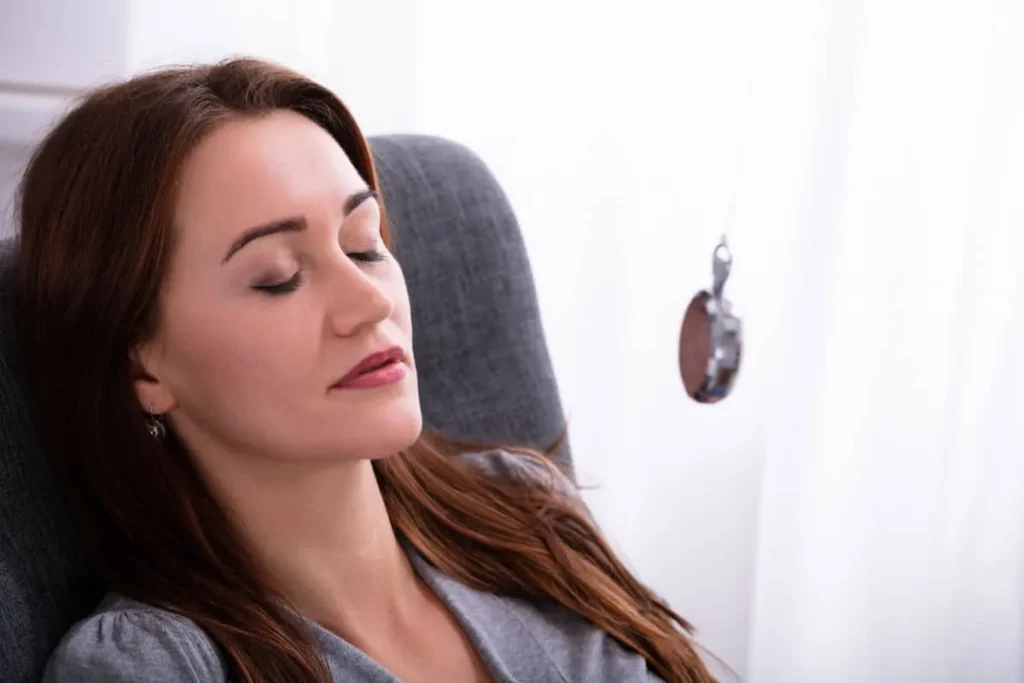
Before starting self-hypnosis, it’s key to get your space and mind ready. Good self-hypnosis isn’t just about the method. It’s also about setting up a place that helps you relax and focus.
De juiste omgeving creëren
To get into a deep self-hypnosis state, you need a quiet, comfy, and distraction-free spot. This could be a special room at home or a cozy area with little noise and few interruptions.
Tips for Creating a Conducive Environment:
Find a quiet spot with little outside noise.
Make sure the room is at a comfy temperature.
Use a comfy chair or couch for support.
Dim the lights or use soft lighting for a relaxing feel.
Mental Preparation and Mindset
Mental prep is as vital as the physical setup. It’s about getting your mind ready for self-hypnosis.
Mindfulness and relaxation techniques can calm your mind and get you ready for self-hypnosis. Deep breathing, progressive muscle relaxation, or meditation are good choices.
Setting Clear Intentions and Goals
Having clear goals and intentions is key for effective self-hypnosis. You need to know what you want to achieve, like overcoming a fear, boosting confidence, or managing stress.
5 Proven Self-Hypnosis Techniques to Master
Self-hypnosis techniques can help with chronic pain, insomnia, and stress. They can make you feel more relaxed and improve your health. Try these methods every day to see a big difference.
Methode voor progressieve spierontspanning
This method involves tensing and relaxing muscles. Start by sitting comfortably, then tense your toes for a few seconds. Release them and move up your body, tensing and relaxing each group.
As you do this, you’ll notice where you hold tension. Releasing it can lead to deeper relaxation and less stress.
Visualization and Imagery Technique
Visualization uses your imagination to create a calm scene. Imagine yourself in a peaceful place, like a beach or forest. Use all your senses to make it real and feel relaxed.
Medical organization says visualization is great for relaxation and stress relief. Regular practice can help you manage anxiety better.
The Countdown Deepening Method
This method involves counting down to relax. Start in a comfy position, close your eyes, and count down. With each number, feel yourself relax more.
This technique works well with other methods like progressive muscle relaxation or visualization. It helps you reach a deeper state of relaxation and access your subconscious mind.
Self-Suggestion and Affirmation Technique
Self-suggestion uses positive affirmations to change your mind. Repeat phrases like “I am calm and relaxed” to yourself. This can help you think more positively.
“The mind is everything; what you think, you become.” This quote shows how important self-suggestion is. Regular practice can make you more positive and resilient.
Learning these self-hypnosis techniques can change your life. They can help you manage stress, overcome anxiety, or just feel clearer mentally. Self-hypnosis is a powerful tool for personal growth and change.
Conclusion: Integrating Self-Hypnosis into Your Daily Life
Learning self-hypnosis can change your life, helping you reach your highest self. By using methods like progressive muscle relaxation and visualization, you can see big improvements in your health. So, how do you self hypnotize well? It starts with making a good space and knowing what you want.
Practicing self-hypnosis regularly can bring lasting changes and better health. It helps you understand yourself better and learn to face challenges. Whether you want to handle stress or feel more centered, learning self-hypnosis is a great way to care for yourself.
Keep going on your self-hypnosis path, and remember to be consistent. Begin with short sessions and grow them as you get more comfortable. With many guides and resources out there, you can make your practice fit your needs and goals.
FAQ
What is self-hypnosis and how does it work?
Self-hypnosis lets you reach your subconscious mind. It helps you relax, focus, and change for the better. By entering a trance, you can change your thoughts, actions, and feelings. This leads to a more balanced and happy life.
How do I hypnotize myself at home?
To hypnotize yourself at home, make a calm space without distractions. Know what you want to achieve. Use methods like muscle relaxation, visualization, or counting to get into a trance.
What are the benefits of self-hypnosis?
Self-hypnosis can lower stress and anxiety, improve sleep, and boost focus and confidence. It helps with phobias, pain management, and healthier habits.
How does self-hypnosis compare to guided hypnosis?
Both self-hypnosis and guided hypnosis have benefits. Self-hypnosis lets you control your own sessions, fitting them to your needs. Guided hypnosis uses a professional to guide you.
Can I use self-hypnosis for weight loss or smoking cessation?
Yes, self-hypnosis can help with weight loss and quitting smoking. It changes your subconscious mind to support healthier habits and reduce cravings.
How often should I practice self-hypnosis?
Practice self-hypnosis often, best at the same time each day. Regular practice deepens trance and leads to lasting changes.
Can self-hypnosis be used in conjunction with other therapies?
Yes, self-hypnosis works well with other therapies like cognitive-behavioral therapy or meditation. Combining self-hypnosis with these can speed up progress and improve results.
Referenties
Nationaal Centrum voor Biotechnologie-informatie. Evidence-Based Medisch Inzicht. Opgehaald van https://pmc.ncbi.nlm.nih.gov/articles/PMC1071579/





