
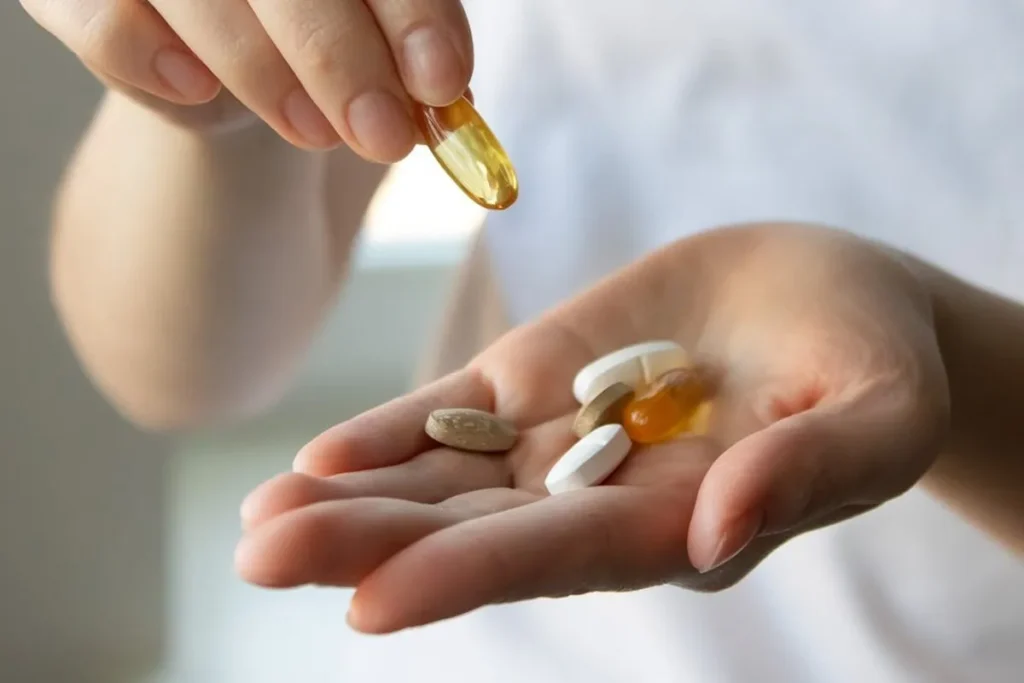
Depression hits about 8.3 percent of American adults each year. It’s a big mental health issue. While meds and therapy are key, new studies show some supplements can help too. Omega-3s, vitamin D, and magnesium might ease symptoms when used with usual treatments.
Knowing which supplements are backed by science helps people make better choices. This is a big step in empowering confidence in one’s mental health journey.
Belangrijkste opmerkingen
Depression affects a significant percentage of American adults each year.
Supplements like omega-3 fatty acids and vitamin D may complement traditional treatments.
Recent research supports the benefits of certain supplements in reducing depressive symptoms.
Informed decision-making with healthcare providers is key when considering supplements.
Supplements should be used alongside standard treatment, not as a replacement.
Depression and the Role of Supplements
Depression affects many lives worldwide, making it key to understand supplements’ role in mental health. It’s a complex issue, influenced by genetics, brain chemistry, stress, and nutrition.
Depression Statistics and Standard Treatments
Depression is a common mental health disorder, affecting millions. The World Health Organization says it’s a top cause of disability. Treatments usually include therapy and medication, but they don’t work for everyone.
Depression needs a variety of treatments. Knowing the current treatments helps see how supplements can help. People with depression often lack certain nutrients that make their condition worse.
How Natural Supplements Can Support Mental Health
Natural supplements can help with mental health by fixing nutritional gaps and changing brain chemistry. Omega-3 fatty acids, vitamin D, and magnesium are important for brain function and mood. Omega-3s, for example, can improve brain health and help with depression symptoms.
Supplements can add to standard treatments by filling nutritional gaps. They support brain health and can ease some depression symptoms. Always talk to a doctor before starting supplements to use them safely and effectively.
The 7 Best Supplements for Depression
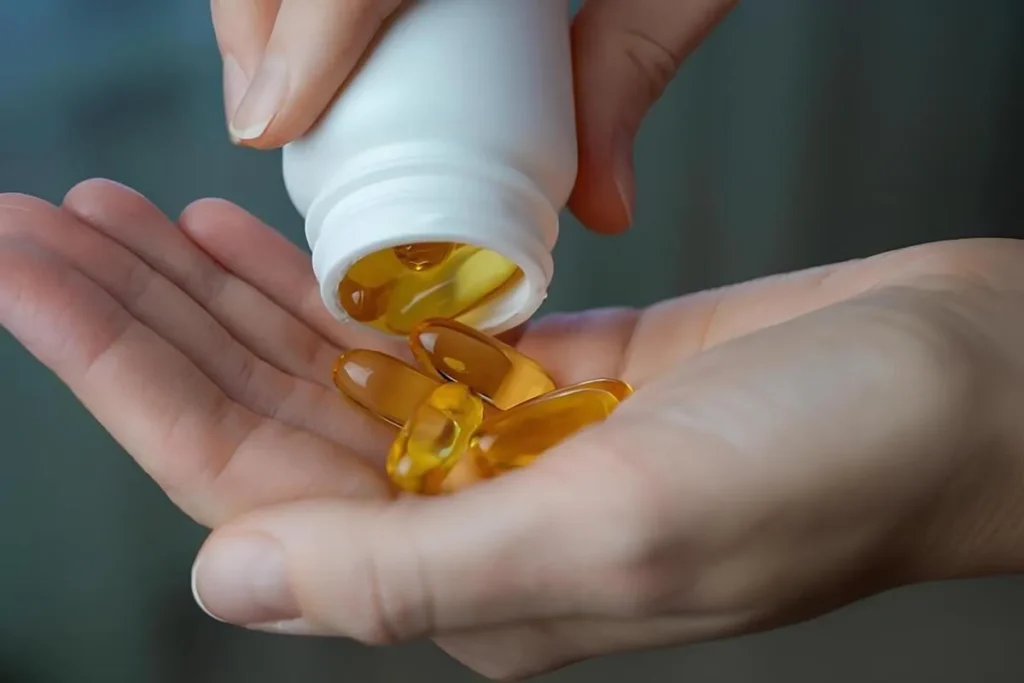
Supplements can be key in supporting mental health and fighting depression. More research on natural remedies is leading people to use supplements alongside their treatments.
Omega-3 Fatty Acids
Omega-3 fatty acids, mainly EPA, show strong antidepressant effects. They help keep the brain healthy and lessen depression symptoms.
Benefits: They reduce inflammation, support brain function, and boost mood.
Vitamine D
Vitamin D deficiency is a risk factor for depression. Taking Vitamin D supplements helps with neurotransmitter activity and mood. Keeping Vitamin D levels up is key for mental health.
Benefits: It regulates mood, supports neurotransmitter function, and boosts overall well-being.
Vitamine B12
Vitamin B12 deficiency can mimic depression symptoms. Taking Vitamin B12 supplements can help and support neurological health.
Benefits: It’s vital for neurological function, reduces fatigue, and aids in red blood cell production.
Magnesium
Magnesium plays a role in over 300 reactions in the brain and mood. Taking Magnesium can calm the nervous system and enhance sleep.
Benefits: It relaxes the nervous system, improves sleep, and aids muscle function.
Adding these supplements to a treatment plan can lead to big mental health gains and better overall well-being.
Safe and Effective Supplementation Practices
To use supplements for depression safely, it’s important to know the basics. Supplements can help with traditional treatments, but you need to use them wisely. This means planning and careful thought.
Integrating Supplements with Conventional Treatment
When adding supplements to your depression plan, talk to your doctor first. This ensures the supplements won’t clash with your current treatments. Always tell your doctor about all supplements you’re taking, as they can advise on safety and benefits.
Many people see better mental health by mixing traditional treatments with supplements. For example, omega-3 fatty acids can boost brain health and help with depression.
Potential Interactions and When to Consult a Doctor
It’s key to know how supplements and medicines might interact. Some supplements can change how medicines work or cause bad side effects. For instance, St. John’s Wort can interact with many medicines, including antidepressants, and should be used carefully.
Always talk to your doctor before starting any new supplements. They can guide you on risks and benefits, making sure supplements fit your treatment plan. Keep a log of your supplements and any changes in symptoms or side effects to discuss with your doctor.
By being proactive in your mental health and working with your doctor, you can make smart choices about using supplements for depression.
Conclusie
Dealing with mental health issues can be tough. But, using the right supplements can help a lot. Supplements like Omega-3 Fatty Acids, Vitamin D, and Vitamin B12 can offer natural relief.
Supplements for anxiety and depression can really help manage symptoms. They support mental health and overall well-being. Natural supplements for depression and stress are key to feeling better.
It’s important to use supplements safely and effectively. Mixing them with standard treatments and watching for interactions is key. This way, you can enjoy their benefits without risks.
Supplements are a big part of a complete mental health plan. Making smart choices and talking to doctors can lead to better mental health. It’s a step towards a more balanced life.
FAQS
What are the best supplements for depression?
For depression, omega-3 fatty acids, vitamin D, and vitamin B12 are good. Magnesium and probiotics also help reduce symptoms.
Can supplements replace traditional treatments for depression?
No, supplements should not replace traditional treatments. Always talk to a healthcare provider before adding supplements.
How do omega-3 fatty acids help with depression?
Omega-3 fatty acids support brain health. They help by improving neurotransmitter function, which can reduce depression symptoms.
What is the recommended dosage of vitamin D for depression?
Vitamin D dosage varies. But, keeping levels adequate is key, as low levels can increase depression risk.
Can magnesium help alleviate anxiety and depression?
Yes, magnesium can help with anxiety and depression. It regulates neurotransmitters and promotes relaxation.
Are there any potentially harmful interactions between supplements and antidepressant medications?
Yes, some supplements can interact with antidepressants. Always check with a healthcare provider before starting any supplements.
How long does it take to see the effects of supplements on depression?
Seeing effects from supplements on depression can take time. Be patient and consistent, as some may take weeks to show benefits.
What are some natural anti-depression supplements?
Natural anti-depression supplements include omega-3 fatty acids, vitamin D, and vitamin B12. Magnesium and probiotics also support mental health.
Can supplements help with stress and anxiety related to depression?
Yes, supplements like magnesium and probiotics can help with stress and anxiety related to depression.
Referenties
Nationaal Centrum voor Biotechnologie-informatie. Evidence-Based Medisch Inzicht. Opgehaald van https://pubmed.ncbi.nlm.nih.gov/24823368/





