
Use calming exercises for anxiety to find amazing help now. Discover powerful breathing steps to stop painful stress and feel brilliant.
In today’s fast world, millions face anxiety and look for natural solutions. Deep breathing exercises are a scientifically proven method to calm the mind and body without medication or expensive therapy.
You breathe around 20,000 times a day, often without noticing. Yet, your breath is a key source of energy and a strong tool against stress. By using slow and deep breathing, you can control your nervous system and lessen anxiety feelings.
GoldCity Center values this simple yet effective approach. It fits with today’s healthcare and focuses on patient wellness. Learning to use deep breathing can give you a natural and immediate way to calm your mind and body.
Belangrijkste opmerkingen
Deep breathing exercises are a scientifically validated method to manage anxiety.
Regulating your breath can help control your nervous system.
Slow and deep breathing can reduce stress and promote relaxation.
This technique is accessible and can be practiced anywhere.
GoldCity Center endorses deep breathing as a complementary approach to modern healthcare.
The Science Behind Deep Breathing and Anxiety
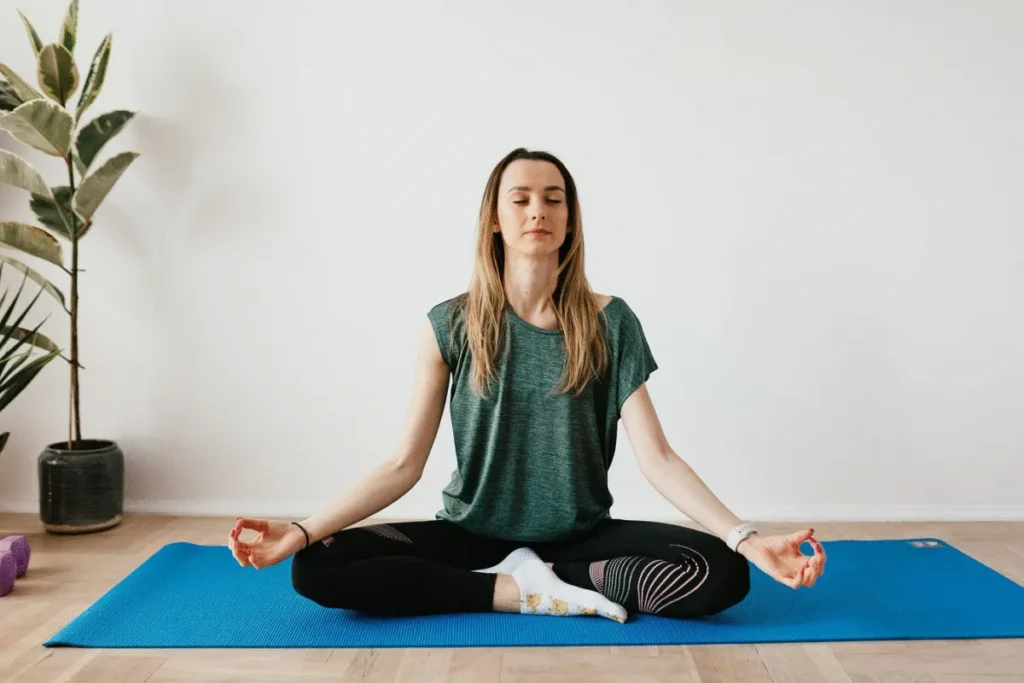
Deep breathing is more than a way to relax. It’s a science-backed method that changes how our nervous system handles stress.
How Deep Breathing Affects Your Nervous System
Deep breathing directly affects our nervous system, mainly the parasympathetic nervous system. This system helps us relax and lowers stress. When we breathe deeply, we activate the vagus nerve, our key parasympathetic pathway.
This activation tells our body to slow the heart rate and lower blood pressure. It fights the stress and anxiety effects.
Deep breathing changes how our nervous system reacts to stress. It can slow down rapid breathing, heart rate, and blood pressure. Regular deep breathing makes it easier to handle anxiety.
Research-Backed Benefits for Anxiety Management
Many studies show deep breathing’s benefits for anxiety. It can reduce cortisol levels and decrease inflammation, linked to stress and anxiety. Adding deep breathing to daily life can lower anxiety and stress resilience.
Key benefits of deep breathing for anxiety include:
Reduced symptoms of anxiety and stress
Lower blood pressure and heart rate
Improved sleep quality
Verbeterd algemeen welzijn
Understanding deep breathing’s science helps us use it to manage anxiety better.
Essential Calming Exercises for Anxiety
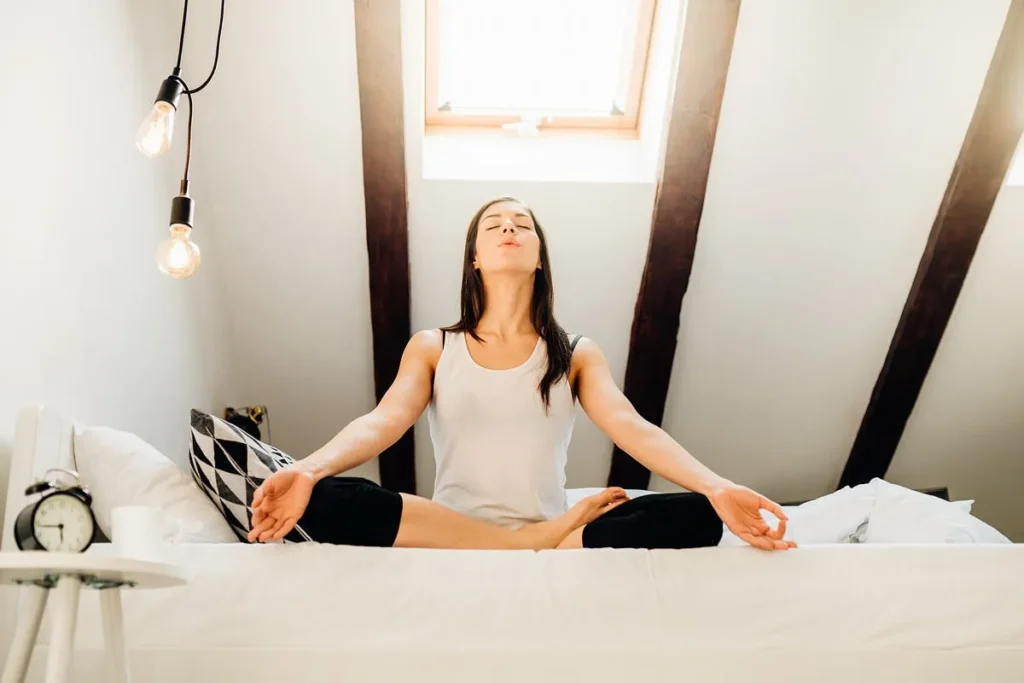
Discover the power of deep breathing exercises to calm anxiety. These techniques can make you feel more serene. By adding them to your daily routine, you can reduce stress and anxiety, leading to a more balanced life.
Diaphragmatic Breathing Technique
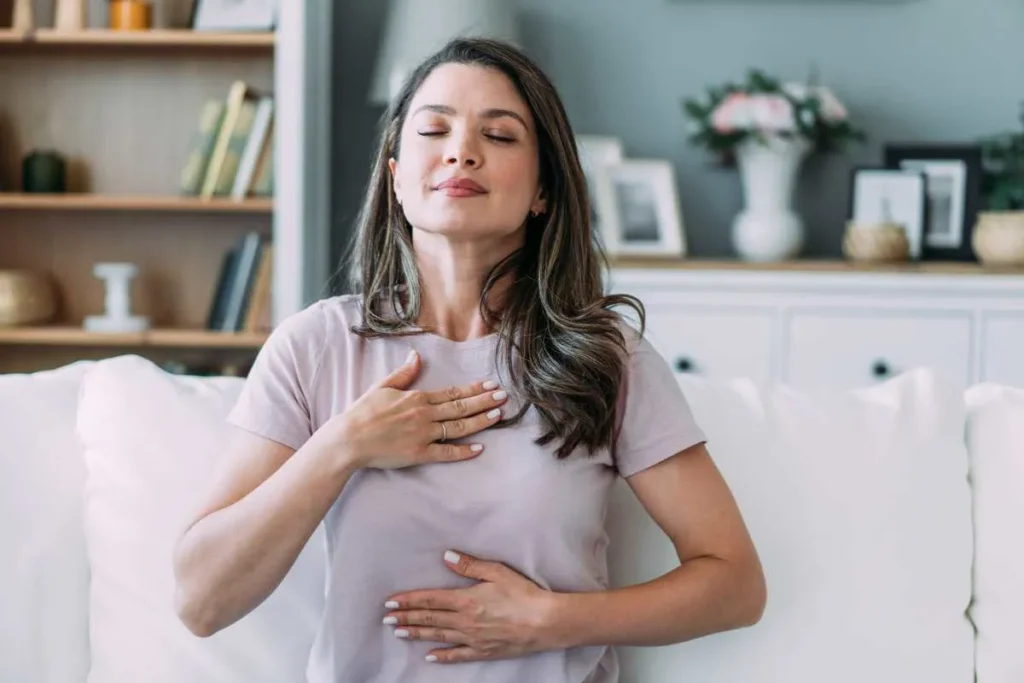
Diaphragmatic breathing, or belly breathing, uses your diaphragm for full oxygen exchange. This method strengthens your diaphragm. It helps with anxiety, high blood pressure, and insomnia.
To practice diaphragmatic breathing:
Lie on your back with your knees slightly bent.
Place one hand on your belly and the other on your chest.
Inhale slowly through your nose, letting your belly rise while your chest stays steady.
Exhale through your mouth, letting your belly fall.
4-7-8 Ademhalingsmethode
The 4-7-8 breathing method, or “Relaxation Breath,” involves breathing in for 4 counts, holding for 7 counts, and exhaling for 8 counts. It can help reduce anxiety and promote relaxation.
To practice the 4-7-8 method:
Close your mouth and inhale through your nose for a count of 4.
Hold your breath for a count of 7.
Exhale through your mouth for a count of 8.
Repeat the cycle up to three more times.
Box Breathing for Immediate Relief
Box breathing is a simple yet powerful technique used by athletes and individuals in high-stress professions. It involves breathing in for 4 counts, holding for 4 counts, exhaling for 4 counts, and holding again for 4 counts, creating a “box” shape with your breath.
To practice box breathing:
Inhale for a count of 4, filling your lungs completely.
Hold your breath for a count of 4.
Exhale for a count of 4, emptying your lungs completely.
Hold your breath again for a count of 4.
By incorporating these stress-relieving breathing techniques into your daily routine, you can better manage anxiety and improve your overall well-being.
Specialized Breathing Techniques for Different Situations
Breathing exercises are not a one-size-fits-all solution. Specialized techniques can help in specific situations that cause anxiety. Tailoring your breathing can enhance its calming effects.
Breathing Exercises for Social Anxiety
Social anxiety can be tough, but certain breathing exercises can help. Diaphragmatic breathing is a top choice for relaxation. Studies show it’s very effective for teens.
To do diaphragmatic breathing, place one hand on your belly and the other on your chest. Breathe in slowly through your nose, letting your belly rise. Your chest should not move. Then, breathe out through your mouth, feeling your belly fall. This method calms your nervous system and eases social anxiety.
Deep Breathing During Anxiety Attacks
When you’re having an anxiety attack, you need a quick relief method. The 4-7-8 breathing technique is great for this. Breathe in for 4 seconds, hold for 7, and breathe out for 8. This slows your heart rate and calms your mind.
To use the 4-7-8 technique, sit comfortably and close your eyes. Inhale through your nose for 4 seconds. Hold your breath for 7 seconds. Then, exhale through your mouth for 8 seconds. Keep repeating until your anxiety goes away.
Yoga Breathing Exercises for Chronic Anxiety
For chronic anxiety, yoga breathing exercises are very helpful. Techniques like Alternate Nostril Breathing and Kapalabhati Breathing can balance your nervous system and lower anxiety.
Alternate Nostril Breathing means closing one nostril and breathing in through the other. Then, switch to exhale through the other nostril. It brings balance and calm. Kapalabhati Breathing involves quick, forceful exhales followed by passive inhales. It helps release tension and calm your mind.
By adding these specialized breathing techniques to your daily routine, you can manage anxiety better. This leads to a calmer and more centered you.
Incorporating Deep Breathing Into Your Daily Routine
Studies show that deep breathing can help everyone, no matter their age. It can improve your mood and reduce anxiety. So, it’s key to make deep breathing a part of your daily life.
Begin by doing one breathing exercise each day at the same time. It could be in the morning, before a meeting, or before bed. As you practice, you’ll feel less stressed and more relaxed. Deep breathing can help you calm down and take control when you’re feeling anxious.
By making deep breathing a regular part of your routine, you’ll get better at handling stress and anxiety. Try combining it with other relaxation methods like muscle relaxation or visualization. Over time, deep breathing will become a natural way to relax, even when things get tough.
FAQ
What is deep breathing, and how does it help with anxiety?
Deep breathing is about taking slow, deep breaths that use your diaphragm. This calms your nervous system and lowers anxiety. It helps quiet your mind and relax your body.
How does deep breathing affect the nervous system?
Deep breathing works with the vagus nerve to calm your nervous system. This can lower your heart rate, blood pressure, and stress hormones. It promotes relaxation.
What are some simple deep breathing exercises for anxiety relief?
Simple exercises like diaphragmatic breathing, the 4-7-8 method, and box breathing can help. They can be done anywhere, anytime, to reduce stress and anxiety.
Can deep breathing help with social anxiety?
Yes, deep breathing is great for social situations that make you anxious. It helps calm your nerves and boosts confidence in social interactions.
How can I incorporate deep breathing into my daily routine?
Begin by dedicating a few minutes each day to deep breathing. Start with short sessions, like 5-10 minutes. As you get more comfortable, you can increase the time.
Are there any specific breathing techniques for anxiety attacks?
For anxiety attacks, the 4-7-8 method or box breathing can be very helpful. They slow your heart rate and calm your mind.
Can yoga breathing exercises help with chronic anxiety?
Yes, yoga breathing, or pranayama, can help manage chronic anxiety. Regular practice can reduce stress and improve overall well-being.
How long does it take to see the benefits of deep breathing exercises?
You can feel the benefits of deep breathing right away, with a sense of calm. Regular practice can lead to long-term stress and anxiety reduction.
Can deep breathing be used in conjunction with other anxiety management techniques?
Yes, deep breathing can be combined with other techniques like meditation, exercise, or therapy. This can enhance their effectiveness and improve overall well-being.





