
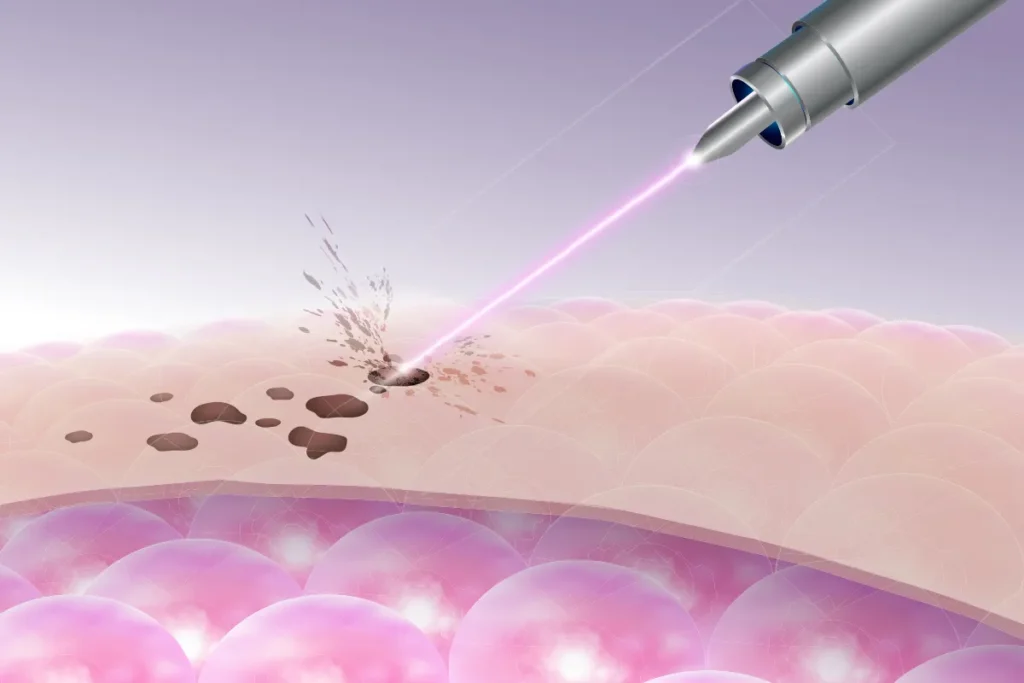
Scars from surgery, trauma, or injuries can really affect your life and how you feel about yourself. But, advanced CO2 laser treatment can help make your skin look like it did before. It works by making your skin produce more collagen, smoothing out the surface, and fixing color issues.
Use co2 laser for scars for powerful quick fixes. Erase painful blemishes and achieve amazing, brilliant skin with expert tips.
GoldCity Center uses the latest in fractional CO2 laser tech for scar care. Studies show a 52% improvement rate in scar looks. This means patients can see big changes with little time off from work.
Belangrijkste opmerkingen
CO2 laser treatment is a cutting-edge solution for reducing scar appearance.
It stimulates collagen production and resurfaces the skin.
Fractional CO2 laser technology offers minimal downtime and significant results.
GoldCity Center provides international expertise in scar management.
CO2 laser therapy is backed by recent research demonstrating its efficacy.
Understanding CO2 Laser for Scars: Effectiveness and Research
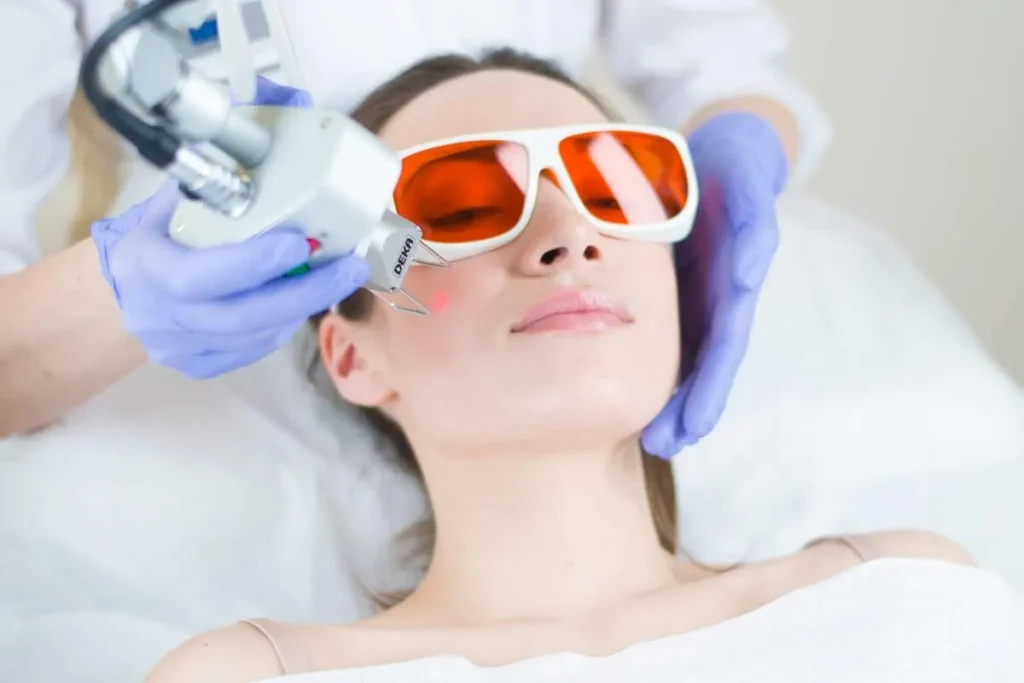
CO2 laser treatment is a game-changer for scar removal. It’s backed by lots of research and clinical evidence. This non-invasive method is popular because it works well on different scar types. It helps people feel more confident in their skin.
Types of Scars Treatable with CO2 Laser
The CO2 laser can tackle many scar types, like surgical, traumatic, and atrophic scars. Fractional CO2 laser technology creates tiny injuries in the skin. This stimulates collagen and helps the skin look younger.
CO2 laser works differently on each scar type. For example:
Surgical scars can look much better after CO2 laser treatment.
Traumatic scars, from accidents or injuries, can also see improvement.
Atrophic scars, from acne, can get better too. This makes the skin more elastic and less deep.
Latest Research and Clinical Evidence (2025)
A study in January 2025 looked at 492 patients from 14 trials. It found that fractional CO2 laser therapy is very effective. It makes surgical scars look much better. Patients were very happy with the results.
Optimal Timing for Treatment
When you get CO2 laser treatment matters a lot. Doing it within a month after surgery works best. Early treatment makes scars less visible and helps the skin heal better.
A 2025 study showed a 52.4% improvement in Vancouver Scar Scale measurements. This proves that early treatment is key.
The CO2 Laser Treatment Procedure
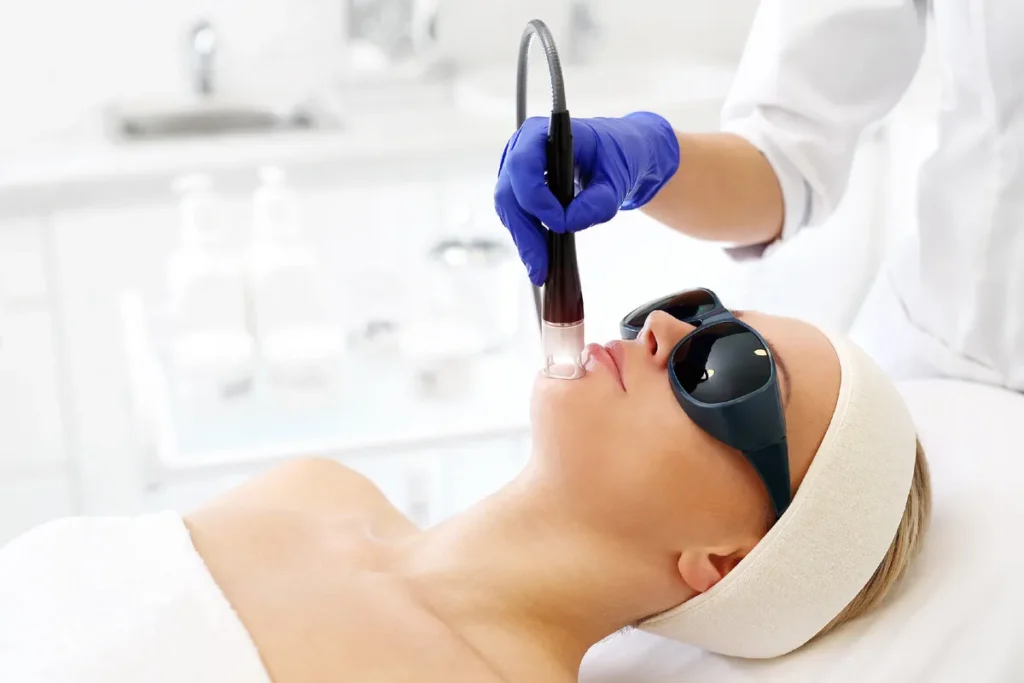
The CO2 laser procedure is a modern method for treating scars. It’s known for its ability to improve skin texture and reduce scar appearance. This treatment encourages the skin to heal naturally.
Hoe verwaarloosbare CO2-laser werkt
Fractional CO2 laser technology creates controlled damage in the skin. This damage stimulates collagen remodeling and fibroblast activity. It helps the skin heal naturally, making it smoother and reducing scars.
The laser only treats a small part of the skin at a time. This allows for quicker healing and less downtime.
Pre-Treatment Preparation
Before the CO2 laser treatment, your skin needs to be ready. This might include numbing the area with a topical anesthetic to reduce pain. You should also avoid the sun and certain skincare products that could irritate your skin.
Getting your skin ready is key for the best results and to avoid side effects. Your healthcare provider will give you specific instructions based on your skin and the treatment.
Wat u kunt verwachten tijdens de procedure
During the treatment, a practitioner will use a handheld device to apply laser energy. You might feel a warming or stinging sensation, but this is usually managed with the anesthetic.
The treatment time varies based on the area size and individual needs. Treatments can last from 30 minutes to several hours. Afterward, you might see some redness and swelling, but these should go away in a few days.
Herstel en resultaten
Starting CO2 laser treatment for scars? Knowing what to expect during recovery is key. This phase is vital for the treatment’s success and your final results.
Post-Treatment Care
Good post-treatment care is essential for healing and results. You should avoid sun exposure, keep your skin moist, and follow your doctor’s aftercare advice. This helps avoid side effects and smooth recovery.
For more on post-treatment care, check out CO2 Laser Recovery: Your Skin Day by Day. It offers tips for a smooth recovery.
Verwachte tijdlijn voor verbetering
Improvement times vary, but most see big changes in weeks to months. Be patient, as your skin will keep getting better.
Results start showing in 3 to 6 weeks. They keep getting better up to 6 months after treatment. This is because of collagen production and the skin’s healing.
Number of Sessions Required
The number of CO2 laser sessions needed varies. It depends on your skin, scar severity, and desired look. Usually, 1 to 3 sessions, spaced weeks apart, are needed.
Scars’ depth, size, and your skin type also play a role. Talking to a qualified doctor will help plan the best treatment for you.
Conclusie
The CO2 laser treatment is a big step forward in managing scars. It offers a powerful way to remove scars, making skin look better. This treatment helps people get a smoother, brighter skin tone.
CO2 laser is great for those with surgical scars. It works well with other treatments like fraxel laser. Together, they help improve scars, boosting confidence in how people look.
CO2 laser is a top choice for those wanting to enhance their beauty. It uses advanced technology and has proven results. This treatment can change how people see themselves, making them feel more confident and beautiful.
FAQ
What is CO2 laser treatment for scars?
CO2 laser treatment is a modern way to make scars less noticeable. It works by making the skin produce more collagen. This helps to smooth out the skin and even out skin color.
What types of scars can be treated with CO2 laser therapy?
CO2 laser therapy can help with many types of scars. This includes scars from surgery, accidents, and those that make the skin look sunken. It offers a detailed approach to making scars less visible.
How does fractional CO2 laser work for scar removal?
Fractional CO2 laser makes tiny injuries in the skin. This encourages the skin to make more collagen. As the skin heals, it looks smoother and scars appear less.
What is the optimal timing for CO2 laser treatment for scars?
When to get CO2 laser treatment depends on the scar and the person. It’s best when the scar has fully healed.
How many sessions of CO2 laser are required for optimal results?
The number of sessions needed varies. It depends on the scar’s severity, type, and your skin. Usually, more than one session is needed for the best results.
What can I expect during the CO2 laser treatment procedure?
During treatment, your skin will be cleaned and prepared. The laser will be applied carefully. You might feel some discomfort, but this can be managed with special creams or cool devices.
What is the expected timeline for improvement after CO2 laser treatment?
Improvement times vary. But, you can see changes in a few weeks to months. As collagen production increases, your skin will keep getting better.
How do I care for my skin after CO2 laser treatment?
After treatment, care for your skin gently. Use moisturizers and protect it from the sun. This helps your skin heal and look its best.
Is CO2 laser treatment for scars a long-term solution?
CO2 laser treatment can last a long time. But, results can vary. You might need follow-up treatments to keep your skin looking great.
Can CO2 laser treatment be used on all skin types?
CO2 laser can work for different skin types. But, it’s important to talk to a qualified practitioner. They can find the best treatment for your skin.
Referenties
Nationaal Centrum voor Biotechnologie-informatie. Evidence-Based Medisch Inzicht. Opgehaald van https://pubmed.ncbi.nlm.nih.gov/35666282/





