
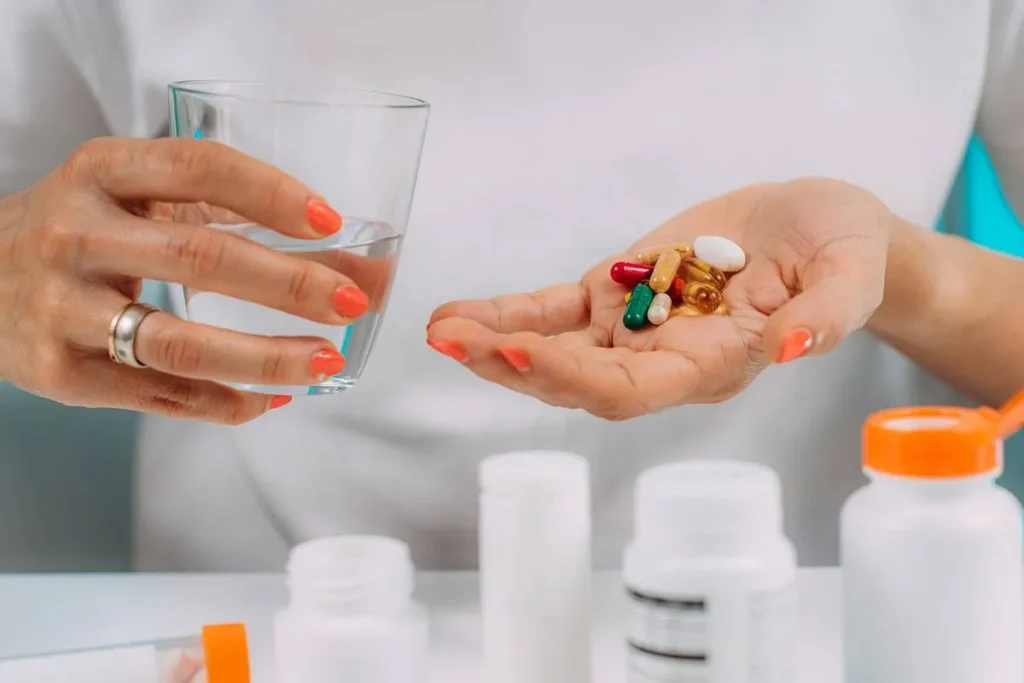
Depression touches millions of lives around the world. Recent studies show it’s more common than ever. People are looking for new ways to take care of their mental health. Vitamin supplements for depression are becoming a key part of that. Use dietary supplements for depression to find powerful wins. Discover amazing vitamins that stop painful moods and boost brilliant energy.
It’s important to know how food affects our mood. Some nutrients have been proven to help with mental health. At GoldCity Center, we believe in using these nutrients to help people get better.
Learning about the science behind vitamins and supplements that help with depression helps people make better choices. It’s a step towards better mental health.
Belangrijkste opmerkingen
Depressive symptoms are prevalent worldwide, affecting millions.
Nutritional status plays a significant role in managing depression.
Certain vitamin supplements have shown efficacy in supporting mental health.
Evidence-based nutritional interventions are critical in the recovery journey.
Individuals can make informed decisions by understanding the scientific backing of various supplements.
Understanding Depression and Mental Health
Depression is a complex condition that affects both mental and physical health. It’s important to look at all support options, including nutritional supplements. Recent research has shown that some supplements can help with mental health.
The Prevalence and Impact of Depression
Depression is a common mental health disorder that affects millions. It brings feelings of sadness, hopelessness, and a lack of interest in things once enjoyed. It can make daily life hard and lower the quality of life.
The prevalence of depression shows we need effective ways to manage it. This includes lifestyle changes, therapy, and nutritional support. Knowing what causes depression helps in creating better treatment plans.
How Nutritional Support Affects Brain Function
The brain needs specific nutrients to work right. These nutrients help make neurotransmitters, keep cells healthy, and control mood. Not getting enough vitamins and minerals can mess with neurotransmitters and cause depression symptoms.
Nutritional support is key for brain health and may help with depression symptoms.
Important nutrients include omega-3 fatty acids, vitamin D, probiotics, and folic acid. They help the brain and mental well-being.
Eating these nutrients or taking supplements can be part of a good mental health plan.
Knowing how nutrition affects mental health helps people make better diet choices. This knowledge lets people take charge of managing depression and keeping their brain healthy.
Top 7 Dietary Supplements for Depression

Choosing the right supplements can help a lot with mental health and depression. Studies show that supplements like PUFAs, vitamin D, and probiotics are good. PUFAs are the most effective in helping with depression.
1. Omega-3 Fatty Acids (PUFAs)
Omega-3 fatty acids, like EPA and DHA, are good for the brain. They help fight inflammation and improve serotonin levels. This can help reduce depression symptoms.
Belangrijkste voordelen:
Anti-inflammatory effects
Supports serotonin function
May reduce depression symptoms
2. Vitamin D
Vitamin D is very important for our mental health. Not having enough vitamin D can make us more likely to feel depressed. It’s key to keep our vitamin D levels up.
Belangrijkste voordelen:
Regulates mood
Supports overall mental health
May reduce depression risk
3. Probiotics
Probiotics help keep our gut healthy, which is linked to our brain’s function. A healthy gut is important for our mental well-being.
Belangrijkste voordelen:
Supports gut health
Linked to improved brain function
May enhance mental well-being
4. Folic Acid
Folic acid is key for making neurotransmitters and can make antidepressants work better. It’s vital for our mental health.
Belangrijkste voordelen:
Supports neurotransmitter production
May enhance antidepressant effectiveness
Essential for mental health
Conclusion: Incorporating Supplements Safely
Adding supplements to your mental health plan needs careful thought and a doctor’s advice. Supplements can help, but their quality and safety vary. It depends on the product and your health.
Always talk to a doctor before starting any supplements, if you’re on meds or have health issues. Some supplements can harm your health or interact with drugs. For example, omega-3 fatty acids might not mix well with blood thinners. Too much vitamin D can be toxic.
Choose supplements from trusted makers who follow Good Manufacturing Practices (GMPs). For more on picking the right supplements and their benefits, check our guide on evidence-based supplements for depression.
Using supplements wisely can help a lot, but be careful. They should help, not replace, doctor’s advice and treatments. A good plan includes professional help, lifestyle changes, and supplements for the best depression care.
Knowing a lot and working with doctors makes using supplements safer and more effective for mental health.
Understanding Depression and Mental Health
It’s important to understand depression and its effects on mental health today. Depression is a complex issue that affects millions worldwide. It impacts their quality of life and overall well-being.
The Prevalence and Impact of Depression
Depression is a big public health issue, affecting many people. Studies show that supplements for depression in men and women can help. Depression not only affects mental health but also physical health, relationships, and daily life.
Research on over 209 clinical trials found that certain nutrients help manage depression. This shows how important nutrition is for brain health and mood.
How Nutritional Support Affects Brain Function
The brain needs specific nutrients to work right. It needs them to make neurotransmitters, keep cells healthy, and control mood. Not getting enough can lead to depression symptoms.
Over the counter supplements for depression can fill nutritional gaps. For example, best depression supplements often have folic acid. It’s key for making neurotransmitters.
Knowing how nutrition affects mental health helps people make better choices. By adding the right nutrients, they can fight depression symptoms and feel better mentally.
Recent studies highlight the need for a full approach to dealing with depression. This includes changing diets and using specific supplements. By focusing on what supplements are good for depression, people can actively improve their mental health.
Top 7 Dietary Supplements for Depression
Choosing the right supplements can help manage depression and boost mental health. While traditional treatments are key, some supplements offer extra support.
Omega-3 Fatty Acids (PUFAs)
Omega-3 fatty acids, like EPA and DHA, fight inflammation and boost serotonin. They are a strong supplement for depression. Studies show they can ease depressive symptoms.
Omega-3s support brain health and cut down on inflammation. They are a great addition to fighting depression.
Vitamine D
Vitamin D deficiency is common and linked to depression. Getting enough vitamin D through supplements or sunlight is helpful.
Vitamin D is a top vitamin for depression. It’s key for keeping mental health in check.
Probiotics
Probiotics keep the gut healthy, which affects the brain. A healthy gut is vital for mental well-being.
Adding probiotics to your diet may help with depression symptoms. It can also boost mental health.
Foliumzuur
Folic acid helps make neurotransmitters and can make antidepressants work better. It’s a key vitamin for depression.
Having enough folic acid is important for managing depression.
In summary, these supplements may help with depression. But, always talk to a doctor before starting any supplements.
Conclusion: Incorporating Supplements Safely
When looking for the best supplements for depression, safety is key. Vitamins and foods can help, but they might interact with your meds or vary in quality.
Before adding new supplements, talk to your healthcare team. They can guide you on safe choices and suggest reliable brands.
Being careful and informed helps you use supplements wisely. This way, you can enjoy the benefits of omega-3s, vitamin D, and probiotics. They support your mental and physical health.
FAQ
What are the best vitamin supplements for depression?
The top supplements for depression are omega-3 fatty acids, vitamin D, and folic acid. They are key for brain health and making neurotransmitters.
How do dietary supplements help with depression?
Supplements help by fixing nutritional gaps, boosting brain health, and making neurotransmitters. These help control mood.
Are there any supplements that can help with depression and anxiety?
Yes, omega-3 fatty acids, probiotics, and vitamin D can help with both depression and anxiety. They support mental health and lessen symptoms.
Can I take supplements for depression without consulting a doctor?
No, always talk to a doctor before starting supplements for depression. They can affect medications and vary in quality.
What are the top dietary supplements for managing depression?
The best supplements for depression are omega-3 fatty acids, vitamin D, probiotics, and folic acid. They are backed by science to support mental health.
How do omega-3 fatty acids help with depression?
Omega-3s support brain health and reduce depression symptoms. They help make neurotransmitters and lower inflammation.
Can probiotics help alleviate depression symptoms?
Yes, probiotics help by supporting gut health. This is linked to brain function and mental well-being.
What is the role of vitamin D in managing depression?
Vitamin D is vital for mental health. Low levels of vitamin D are linked to higher depression risk. Supplementation can be a helpful treatment.
Referenties
Nationaal Centrum voor Biotechnologie-informatie. Evidence-Based Medisch Inzicht. Opgehaald van https://pmc.ncbi.nlm.nih.gov/articles/PMC9123934/





