

Treating treatment resistant depression is a big challenge for healthcare worldwide. When usual antidepressants don’t work, people suffer for a long time. This can even lead to suicide. GoldCity Center is dedicated to top-notch mental health care. They use new treatments and team up with experts.
About 30% of people on antidepressants face treatment-resistant depression. This shows we need better ways to help. New research brings hope for those struggling. This guide will look at the newest treatments, including major depressive disorder medical procedures and the best depression treatment.
Belangrijkste opmerkingen
Understanding the prevalence and impact of treatment-resistant depression
Exploring innovative treatment protocols and multidisciplinary approaches
Discovering the latest advancements in managing treatment-resistant depression
Learning about effective alternatives for individuals experiencing treatment-resistant depression
Finding the best depression treatment options available
Understanding Drug Resistant Depression
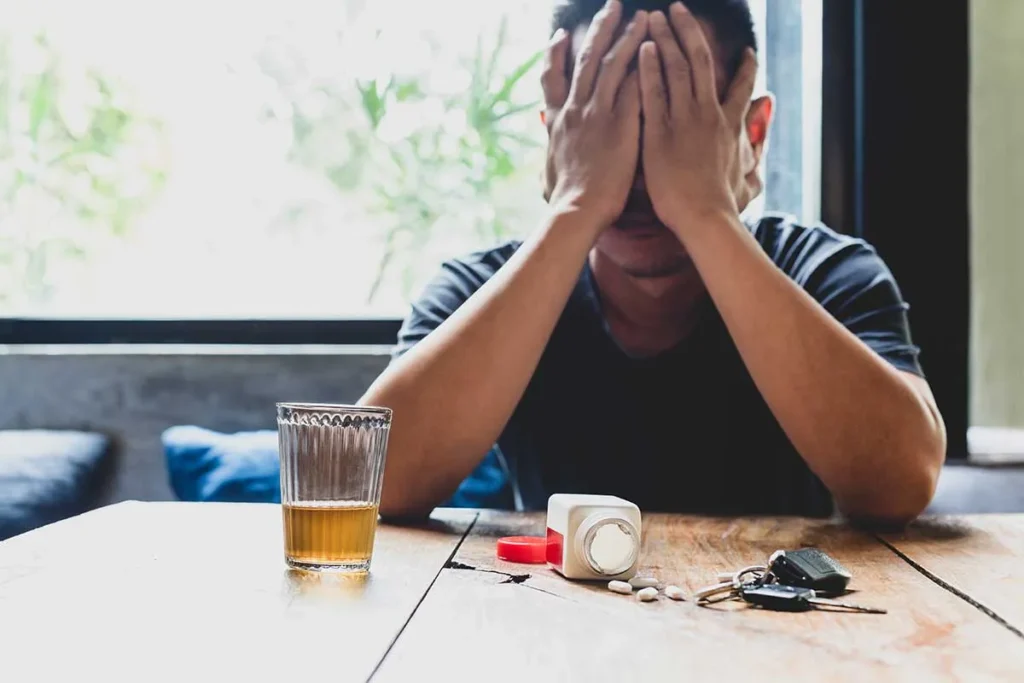
It’s key to understand treatment-resistant depression to find ways to fight it. This condition doesn’t get better with usual treatments. It’s a big problem for both patients and doctors.
Definition and Diagnostic Criteria
Treatment-resistant depression means not getting better with two types of antidepressants for 8 weeks. Doctors check how bad the symptoms are and how well treatments worked before.
Learning about treatment-resistant depression is vital. It helps doctors and patients tackle the issue better.
Figuring out treatment-resistant depression is hard because people react differently to treatments. How bad the symptoms are, other health issues, and sticking to treatment plans matter a lot.
Prevalentie en economische impact
About 30% of people with major depression don’t get better. This not only hurts their life but also costs a lot of money.
Knowing how common and costly treatment-resistant depression is helps find solutions. By facing these challenges, doctors and leaders can improve care and cut costs.
Effective Treatments for Drug Resistant Depression
Dealing with drug-resistant depression needs a mix of treatments. The Medical organization says treatment-resistant depression is tough, but there are ways to help.
Medication-Based Approaches
Medicines are often the first choice for treating depression. For those who don’t respond, esketamine is a promising option. It’s a ketamine derivative known for its quick action.
Experts say esketamine has changed lives for many. Other treatments include mixing different antidepressants or adding antipsychotics to boost results.
Non-Pharmacological Interventions
Non-medical treatments are key for drug-resistant depression. Electroconvulsive Therapy (ECT) is very effective, mainly for severe cases. It uses electrical impulses to induce a seizure, quickly improving mood.
Transcranial Magnetic Stimulation (TMS) is another non-medical option. It uses magnetic fields to stimulate brain areas linked to depression.
Lifestyle and Complementary Approaches
Lifestyle changes and complementary therapies also help. Lifestyle modifications like exercise, a healthy diet, and enough sleep are essential. Mindfulness and meditation can also help by reducing stress and boosting mental health.
Complementary therapies like acupuncture and psychotherapy offer more benefits. Psychotherapy helps patients deal with deep issues and learn coping skills.
By using these methods together, people with drug-resistant depression can find a treatment plan that improves their mental health and well-being.
Conclusie
Dealing with drug-resistant depression is a long journey. It needs patience, persistence, and a detailed plan. This condition is complex and affects many, causing a lot of distress and trouble in daily life.
The best way to treat depression often includes medicines, non-medical treatments, and changes in lifestyle. For those with major depressive disorder, special medical procedures and therapy can help when usual treatments don’t work.
Every person’s journey with treatment-resistant depression is unique. It’s important to find a treatment plan that fits each person’s needs. By trying different treatments and working with doctors, people can find a way to heal and recover.
As we learn more about depression and how to treat it, there’s hope for better lives. By facing this challenge, people can find their inner strength and move towards a brighter, more fulfilling life.
FAQ
Wat is therapieresistente depressie?
Treatment-resistant depression is a form of depression that doesn’t get better with usual treatments. This includes medicines and therapy.
How is treatment-resistant depression diagnosed?
Doctors diagnose it after trying many treatments without seeing much improvement. They also check for other health issues that might be causing the depression.
Wat zijn de oorzaken van therapieresistente depressie?
The exact reasons are not known. But genetics, brain chemistry, and other health problems might play a part.
What are the available treatments for treatment-resistant depression?
There are several options. These include medicines like ECT and TMS, and non-medical treatments like therapy and lifestyle changes.
How effective are medication-based approaches for treatment-resistant depression?
Medicines like antidepressants can work well. But finding the right one might take some trial and error.
What are some non-pharmacological interventions for treatment-resistant depression?
Non-medical treatments include therapy like CBT and IPT. Lifestyle changes like exercise and mindfulness are also helpful.
Can lifestyle changes really help with treatment-resistant depression?
Yes, healthy habits like exercise and a balanced diet can help. They can also reduce stress and improve mental health.
What is the role of electroconvulsive therapy (ECT) in treating treatment-resistant depression?
ECT is a very effective treatment for severe depression. It uses electrical impulses to help the brain.
Are there any new and emerging treatments for treatment-resistant depression?
Yes, new treatments are being researched. These include ketamine-based treatments and psychedelic-assisted therapy.
How can I find the best treatment for my treatment-resistant depression?
Talk to a mental health professional. They can help find the best treatment plan for you.
Referenties
Nationaal Centrum voor Biotechnologie-informatie. Evidence-Based Medisch Inzicht. Opgehaald vanhttps://www.ncbi.nlm.nih.gov/books/NBK310652/





