

Depression and anxiety touch millions of people around the world. Yet, a simple yet powerful solution exists: physical activity. Studies show that exercise can be as good as medicine in easing symptoms. It offers a natural way to improve mental health.
At GoldCity Center, we focus on patient care that’s both modern and natural. We understand how physical activity changes mental health. This knowledge helps people take charge of their well-being.
Belangrijkste opmerkingen
Physical activity can reduce symptoms of depression and anxiety.
Exercise is a natural and accessible treatment option.
Combining physical activity with other treatments can enhance mental wellness.
GoldCity Center advocates for patient-centered care and holistic health approaches.
Empowering individuals through knowledge is key for managing mental health.
The Science Behind Exercise and Mental Health
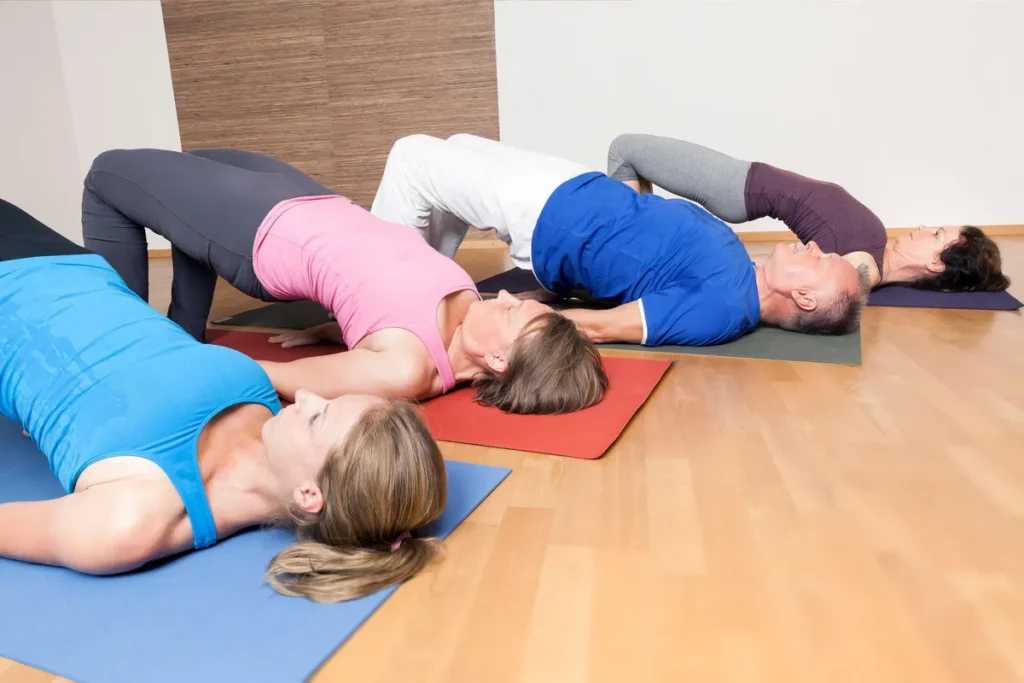
Studies show that exercise greatly improves mental health. It helps with both depression and anxiety. This is backed by a lot of research.
Research Evidence on Depression
A 2024 study in the BMJ found that different exercises help fight depression. These include walking, jogging, yoga, and strength training. The more intense the exercise, the better it works.
A 2025 review looked at 32 studies with 3243 people. It found that exercise has a big impact on depression. Medical organization says exercise changes the brain. It reduces inflammation and boosts neural activity.
The table below shows the results of several studies on exercise and depression:
Research Evidence on Anxiety
Exercise also helps with anxiety. It makes people feel more relaxed and less tense. It also helps improve sleep, which is often bad for those with anxiety.
Key Findings: Exercise is a great way to manage depression and anxiety. Adding physical activity to your life can greatly improve your mental health.
Exercise Good for Depression and Anxiety: Effective Types

Exercise can change your mental health for the better. It’s not just good for your body but also for your mind. By choosing the right exercises, you can fight off depression and anxiety.
Aerobic Exercise Options
Aerobic exercises are top choices for beating depression and anxiety. Activities like brisk walking, running, cycling, and swimming are great. They make you feel good by releasing endorphins, also known as “feel-good” hormones.
Benefits of Aerobic Exercise:
Improves cardiovascular health
Enhances mood
Vermindert stress en angst
Increases energy levels
Resistance and Strength Training
Resistance and strength training do more than build muscle. They also boost your mental health. Doing strength training can really help with depression and anxiety. It releases a protein called BDNF, which is good for your brain.
High-Intensity Interval Training (HIIT)
HIIT is a workout that mixes short, intense exercises with rest. It’s very effective in fighting depression and anxiety. HIIT not only makes you healthier but also stronger mentally.
HIIT Benefits:
Yoga and Mind-Body Exercises
Yoga and mind-body exercises are special for managing depression and anxiety. They mix physical movement with breathing and meditation. This combo helps you relax and feel calm.
Yoga’s benefits include:
Reduced stress and anxiety
Verbeterde flexibiliteit en balans
Enhanced mental clarity
Bevordert ontspanning
How Exercise Alleviates Mental Health Symptoms
Exercise is a powerful tool in the fight against depression and anxiety. It offers a transformative journey towards better mental health. By understanding how physical activity impacts mental well-being, individuals can harness its benefits to improve their quality of life.
Neurobiological Mechanisms
Regular physical activity increases brain-derived neurotrophic factor (BDNF). This enhances neuroplasticity and cognitive function. This neurobiological mechanism is key to understanding how exercise helps with depression and anxiety. Exercise and mental health benefits are closely linked through such biological processes.
Sleep Quality Improvement
Exercise also improves sleep quality, a critical factor for mood regulation. Regular physical activity can help individuals achieve better rest. This reduces symptoms of depression and anxiety. Improved sleep quality is a significant benefit that contributes to overall mental health.
Long-Term Benefits Compared to Medication
The long-term benefits of exercise in managing depression and anxiety are comparable to those of pharmacological interventions. Exercise offers a sustainable, long-term solution with fewer side effects. The table below highlights key differences between exercise and medication as treatments for depression and anxiety.
By incorporating physical activity into their routine, individuals can experience significant improvements in their mental health. They can leverage the multifaceted benefits of exercise to create a more balanced and healthy life.
Conclusion: Creating a Sustainable Exercise Routine
Creating a lasting exercise routine is key for better mental health. The Anxiety and Depression Association of America says setting small goals, like a 10-minute walk, can help. Find a fun and doable plan that fits your life.
Going to the gym can help with depression. It gives you a sense of achievement and can lift your mood. Exercise releases endorphins, which make you feel better and less stressed. It also helps your brain and sleep.
To keep up with exercise, start slow and add more as you go. Yes, exercise helps with anxiety and depression. Adding physical activity to your day can greatly improve your mental health. Start exercising to boost your mental strength and well-being.
FAQ
Can exercise really help with depression and anxiety?
Yes, many studies show that exercise can help. It releases “feel-good” hormones and helps our brains change and adapt.
What type of exercise is best for reducing depression and anxiety?
Different exercises can help, like running, cycling, yoga, and mind-body exercises. The most important thing is to find something you enjoy and can keep up with.
How often should I exercise to see mental health benefits?
Aim for 30 minutes of moderate exercise daily, five days a week. But even a little exercise is good, so start small and grow as you get more comfortable.
Will exercise help me immediately feel better if I’m experiencing depression or anxiety?
Exercise can make you feel better right away. But, it takes time to see the full benefits on depression and anxiety. Regular exercise leads to long-term mental health improvements.
Can I replace my medication with exercise if I’m experiencing depression or anxiety?
No, you should not stop taking medication or therapy for exercise. But, exercise can help make these treatments work better and reduce symptoms.
How does exercise impact brain chemistry to alleviate depression and anxiety?
Exercise boosts the production of mood-regulating neurotransmitters like serotonin and dopamine. It also releases BDNF, which supports brain health and adaptability.
Can I do exercise alone, or do I need to join a group or gym?
You can exercise alone or with others. What’s most important is finding a routine you like and can keep up with. Some prefer group settings, while others like solo activities.
Referenties
JAMA-netwerk. Evidence-Based Medisch Inzicht. Opgehaald van https://jamanetwork.com/journals/jamapsychiatry/fullarticle/481641[4