

Stress has become a big problem in today’s world, affecting millions. Surveys show about 31 percent of adults see stress as the biggest health issue in their country.
Work stress is a big part of it, with nearly 49 percent of workers in the U.S. and Canada saying they feel stressed every day. GoldCity Center is working hard to help people manage stress with care and proven methods.
It’s important to know how to feel less stressed for our health. This article will look at seven fast ways to reduce stress and make life better.
Belangrijkste opmerkingen
Effective stress management is key for our well-being.
Work stress is a big part of our stress levels.
GoldCity Center offers care and advice to manage stress.
Seven quick strategies to manage stress will be shared.
Knowing what causes stress helps us find better ways to deal with it.
The Reality of Feeling Stressed in 2024
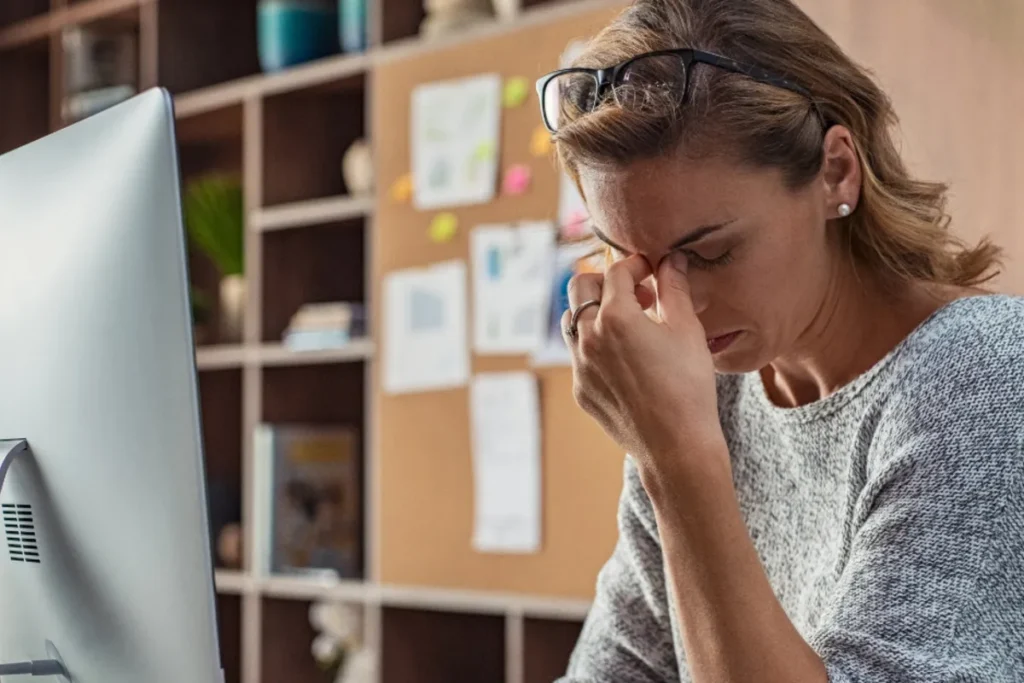
In today’s fast world, feeling stressed is common. Modern life’s pressures and work demands have raised stress levels.
Stress statistics are scary. Most countries show more stress in 2020 than in 2008. This shows we need to tackle stress as a global health problem.
Current Statistics on Global Stress Levels
Global stress levels are worrying. 85 percent of countries report more psychological stress. This shows stress is a big issue worldwide.
A recent health report says, “Stress is a big problem that needs quick action.”
— Health Report, 2023
Work-Related Stress and Its Impact
Work-related stress adds to overall stress. In the U.S., it costs over $190 billion a year. This is a big economic issue.
Work stress affects health and work performance. It’s key to spot stress signs and find ways to lessen it.
Understanding stress in 2024 helps us find ways to lower it. We can start making changes to reduce stress levels.
7 Quick Strategies When You’re Feeling Stressed

When stress comes, having the right tools can make a big difference. These techniques are quick, effective, and easy to add to your daily routine. They help you manage stress and take back control.
1. Practice 4-7-8 Breathing Technique
The 4-7-8 breathing technique, also known as the “relaxation breath,” is a powerful tool for reducing stress and promoting relaxation. To practice, inhale through your nose for a count of 4, hold for 7, and exhale through your mouth for 8. This can slow your heart rate and calm your mind. For more stress management techniques, visit MD Anderson’s guide on anxiety hacks.
2. Engage in 5-Minute Physical Movement
Even a few minutes of physical movement can greatly reduce stress. Try stretching, jumping jacks, or a short walk. These activities release endorphins, which boost your mood. Find something you enjoy and can do often.
3. Try the 5-4-3-2-1 Grounding Exercise
The 5-4-3-2-1 grounding exercise is simple yet effective. Notice 5 things you see, 4 things you touch, 3 things you hear, 2 things you smell, and 1 thing you taste. It distracts you from stressful thoughts and keeps you in the present.
4. Write a 2-Minute Thought Dump
Writing down your thoughts and feelings for 2 minutes can be very therapeutic. It helps you process and release them, reducing feelings of overwhelm. This technique is called a “thought dump” and is a powerful stress management tool.
By adding these quick strategies to your daily life, you can better manage stress and improve your well-being. The key is to find what works best for you and make it a regular part of your routine.
Building Resilience Against Everyday Stress
To fight everyday stress, you need to act ahead of time. Understand what stresses you and how you react. Then, make a plan to boost your resilience.
Creating Your Personal Stress Response Plan
Creating a stress plan means knowing what stresses you and how you handle it. Start by keeping a journal of when you feel stressed and how you cope.
Key components of a stress response plan include:
Identifying stress triggers
Recognizing physical and emotional stress responses
Implementing relaxation techniques, such as deep breathing or meditation
Engaging in regular physical activity
Seeking social support from friends, family, or professionals
Recognizing When Professional Support Is Needed
While managing stress on your own works for many, sometimes you need a pro. Knowing when to ask for help is key.
If you experience any of the following, consider seeking professional support:
Persistent feelings of overwhelm or anxiety
Difficulty managing daily tasks or responsibilities
Physical symptoms such as headaches, insomnia, or digestive issues
Strained relationships due to stress or anxiety
By knowing when to ask for help and taking steps to build resilience, you can handle life’s ups and downs better. This keeps you well overall.
Conclusion: Taking Control of Your Stress Response
By using the 7 quick relief strategies every day, you can lower your stress and feel better. It’s not just about dealing with immediate anxiety. It’s also about building lasting strength.
Knowing how to handle stress means spotting when you’re feeling overwhelmed and having a plan. Try the 4-7-8 breathing exercise, move your body, and use the 5-4-3-2-1 grounding exercise. These can calm your mind and body.
Keep working on managing stress by making small, steady changes. These changes will help you face life’s ups and downs with calm and clarity. Taking charge of your stress response is a big step towards a healthier life.
FAQ
What are some quick ways to reduce stress?
Try the 4-7-8 breathing technique, do 5-minute physical movement, or use the 5-4-3-2-1 grounding exercise. These methods can help you feel less stressed.
How can I manage my stress levels on a daily basis?
Make a stress response plan, write down your thoughts, and know when to get professional help. These steps can help you manage stress and grow stronger.
Why do I feel stressed all the time?
Stress can come from work, personal issues, or not taking care of yourself. Finding the cause and using stress-reducing strategies can help ease your stress.
What are some signs that I’m extremely stressed?
Signs of extreme stress include trouble sleeping, changes in appetite, and feeling irritable. Physical symptoms like headaches or muscle tension are also signs. If you’re experiencing these, it’s important to get help.
How can I feel less stressed when I’m overwhelmed with work?
Take short breaks, focus on what’s most important, and use stress-reducing techniques like deep breathing or moving your body. These actions can help you handle work stress better.
What are some long-term strategies for managing stress?
Build resilience through self-care, create a stress response plan, and get professional help when needed. These strategies can help you manage stress and find a better balance between work and life.
Can stress affect my overall well-being?
Yes, chronic stress can harm both your physical and mental health. It can lead to anxiety, depression, and other health problems. It’s important to manage stress to keep your well-being in check.
Referenties
Nationaal Centrum voor Biotechnologie-informatie. Evidence-Based Medisch Inzicht. Opgehaald van https://www.ncbi.nlm.nih.gov/pmc/articles/PMC3706567/





