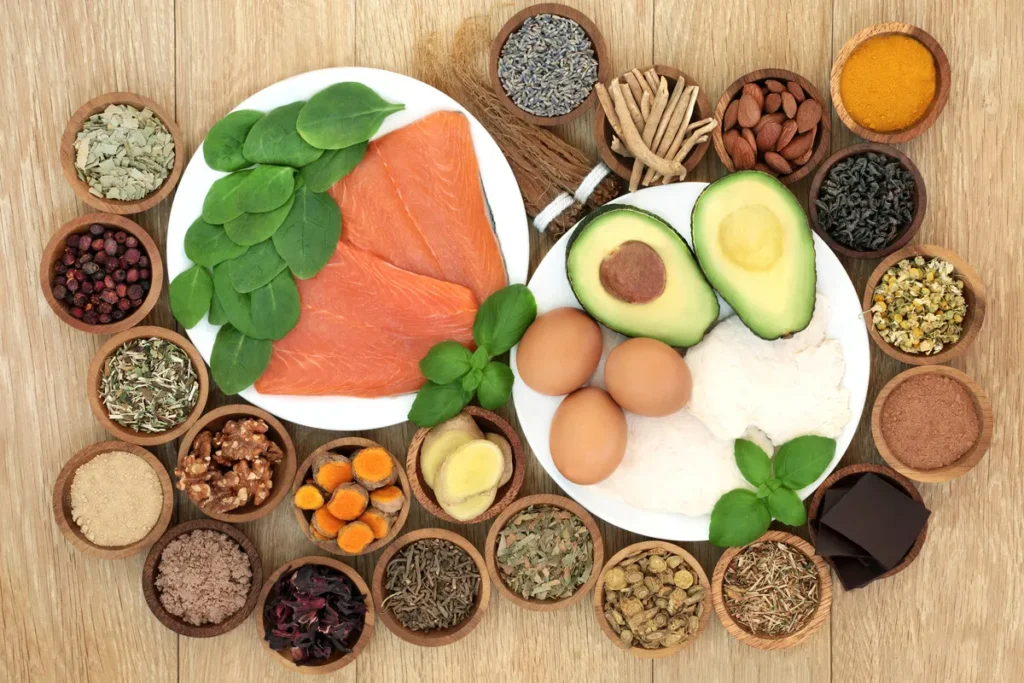
The world is facing a growing problem with depression and anxiety. More people are looking for natural ways to help their mental health. Studies show that almost 80% of people now choose natural remedies first. They worry about the bad side effects of man-made antidepressants.
This move towards holistic wellness is more than a trend. It’s a transformative journey to better mental health. By looking into herbal remedies, people can find a new way to care for their minds. This way is both effective and kind to the body.
Belangrijkste opmerkingen
Nearly 80% of people prefer natural remedies for mental health.
Herbal treatments offer a gentle alternative to synthetic antidepressants.
Certain herbs have shown efficacy in managing depression and anxiety.
A holistic approach to mental health is gaining popularity.
Natural remedies can be a transformative solution for mental wellness.
The Growing Preference for Natural Mental Health Solutions
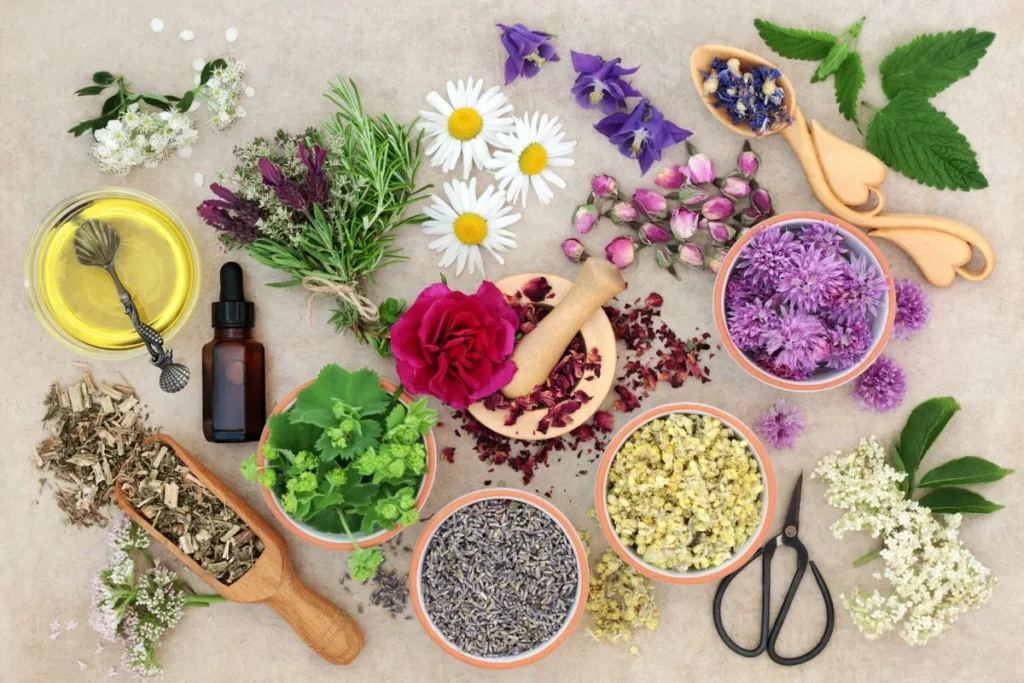
In recent years, more people are turning to natural ways to handle depression and anxiety. This change is mainly because mental health issues are becoming more common worldwide.
Rising Rates of Depression and Anxiety Worldwide
Depression and anxiety are affecting nearly 10% of the world’s population. They are a big part of the non-fatal disease burden globally. The World Health Organization says depression is a top cause of disability worldwide. This shows we need good ways to manage these issues.
World Health Organization
Many are looking for alternatives to traditional antidepressants because of their side effects. So, there’s been a big rise in using natural herbs for depression and anxiety relief.
Why 80% of People Choose Herbal Alternatives
In some countries, 80% of people choose traditional medicine, like herbal remedies, for their mental health. They like herbal alternatives because they seem safer and offer a holistic approach.
More people are using natural anti-depressant herbs as a way to help manage their symptoms. Research supporting the use of certain herbs is also helping this trend grow.
As depression and anxiety rates keep rising, the move towards natural mental health solutions will likely keep growing. Understanding why this is happening and looking into the options can help people make better choices for their mental health.
7 Best Herbs for Depression Backed by Clinical Research
[Afbeelding hier toevoegen]
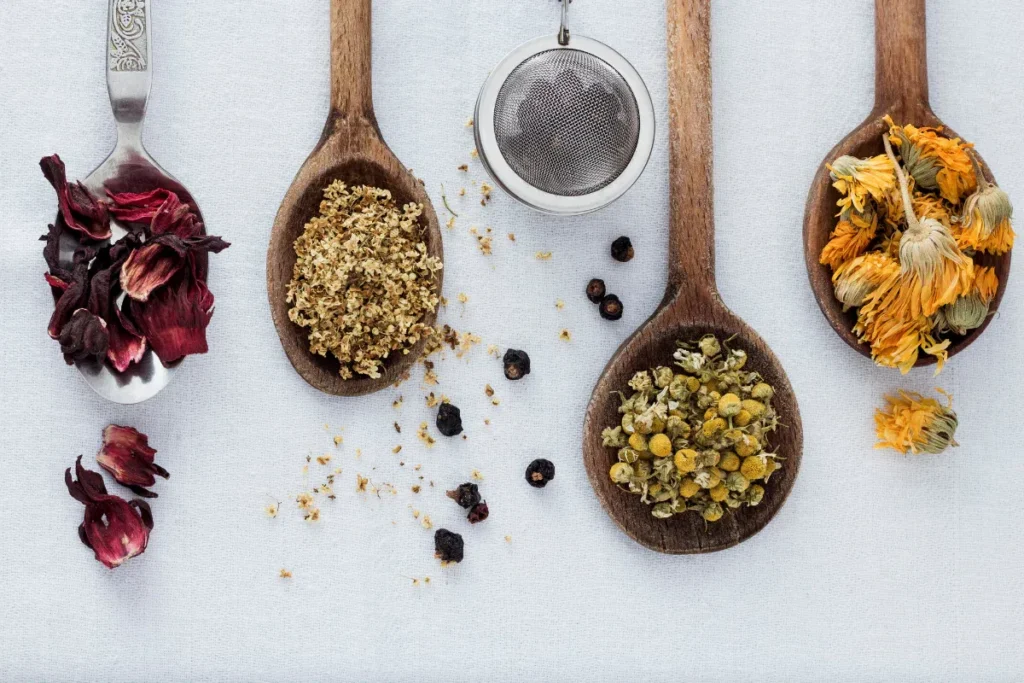
Looking for ways to improve mental health? Certain herbs have been found to help with depression, backed by science. It’s important to know how they work, their benefits, and any possible side effects.
St. John’s Wort: Effective for Mild to Moderate Depression
St. John’s Wort is a top choice for depression. Studies show it works as well as some antidepressants for mild to moderate depression. It has fewer side effects. The brain’s neurotransmitters are boosted by its active compounds, hyperforin and hypericin.
Lavender: Anxiety Relief with Minimal Side Effects
Lavender is famous for its calming effects. It helps with anxiety and promotes relaxation. Research shows it can reduce anxiety and depression symptoms with little risk of side effects.
Saffron: The Premium Mood-Enhancing Spice
Saffron, called the “sunshine spice,” boosts mood. Studies indicate it can help depression by increasing serotonin in the brain.
Ashwagandha: Ancient Adaptogen for Modern Stress
Ashwagandha is an ancient herb used for stress. It helps the body handle stress. Recent studies confirm it can reduce anxiety and depression symptoms.
Other herbs with promising research include:
Passionflower: Known for its calming effects and anxiety reduction.
Hops: Known for their sedative properties, not just in beer.
Rhodiola Rosea: An adaptogen that may reduce stress and improve mental function.
Before trying herbal remedies for depression, talk to a healthcare professional. They can help with any medication interactions and find the best treatment.
Medical Expert, Herbal Medicine Expert
Practical Guide to Using Herbs for Depression and Anxiety
Using herbs for depression and anxiety needs a good understanding of their forms and how to use them. Herbal therapy is popular because it’s natural and helps with mental health.
Forms and Preparations for Maximum Benefit
Herbs come in many forms, each with its own benefits. Here are some common ones:
Teas: Herbal teas, like lavender and chamomile, help you relax and feel calm.
Capsules: Capsules with dried herbs or extracts are easy to use and give a set dose.
Extracts: These are strong forms of herbs that you can add to food or drinks.
Tinctures: Tinctures are liquid extracts that you can take directly or mix with water for quick benefits.
Safety Considerations and Possible Interactions
Herbs for depression can be very helpful, but it’s important to think about their safety. Some herbs might not work well with other medicines, making things worse or less effective.
Other Beneficial Herbs: Hops, Passionflower, and Roseroot
There are other herbs like hops, passionflower, and roseroot that might help with depression and anxiety too.
Hops: Hops help with sleep problems that come with depression.
Passionflower: Passionflower is good for anxiety and sleep issues, a natural choice instead of sedatives.
Roseroot: Roseroot helps the body handle stress, which might help with depression and anxiety.
Knowing about the different forms, how to use them, and their safety can help you use herbs wisely for mental health.
Conclusie
Exploring herbs for depression and anxiety can change your daily life. Herbs like St. John’s Wort and Ashwagandha offer a natural way to feel better. They are a good choice because they have fewer side effects than some medicines.
Choosing the right herbs for depression and anxiety can really help. These natural remedies not only treat symptoms but also improve your overall health. It’s a smart way to care for your mental and physical well-being.
When thinking about using herbs for depression and anxiety, talk to a doctor first. They can help find the best herbs for you. This way, you can use herbs to help manage your mental health.
Using natural herbs is a step towards a better you. It’s a journey to find balance and happiness. Let nature’s gifts help you shine brighter and be more resilient tomorrow.
FAQ
What are the best herbs for depression and anxiety?
Effective herbs for depression and anxiety include St. John’s Wort, Lavender, and Saffron. Ashwagandha, Hops, Passionflower, and Roseroot also help. They have been proven to ease symptoms and improve mental health.
How do herbal remedies compare to conventional antidepressants?
Herbal remedies often have fewer side effects. They are seen as a natural way to manage depression and anxiety. Conventional antidepressants can have negative effects and may not work for everyone.
Can herbs be used in conjunction with other medications?
Using herbs with other medications needs a doctor’s approval. This is because herbs can interact with other drugs. It’s important to consider safety first.
What forms and preparations are available for herbal remedies?
Herbal remedies are available in many forms. You can find them in capsules, teas, tinctures, and topical applications. This makes it easy to choose what works best for you.
Are herbal remedies for depression and anxiety backed by scientific research?
Yes, many herbal remedies have been studied. Research shows that St. John’s Wort and Saffron can help with depression and anxiety symptoms.
How long does it take to see results from using herbal remedies for depression and anxiety?
Seeing results from herbal remedies can vary. It depends on the person, the herb, and how it’s prepared. Some may feel better in a few weeks.
Can herbal remedies be used as a long-term solution for managing depression and anxiety?
Herbal remedies can be helpful, but always talk to a doctor first. They can help decide if an herbal remedy is right for you in the long run.
What are some possible side effects of using herbal remedies for depression and anxiety?
Herbal remedies are generally safe but can cause side effects. These can include allergic reactions or interactions with other drugs. It’s important to know these risks.
How can I choose the best herbal remedy for my specific needs?
To pick the right herbal remedy, think about the herb, how it’s prepared, and any possible interactions. Always talk to a healthcare professional. They can help find the best option for you.
Referenties
Herbs For Depression: Natural Relief That Works
https://pubmed.ncbi.nlm.nih.gov/24946435/