
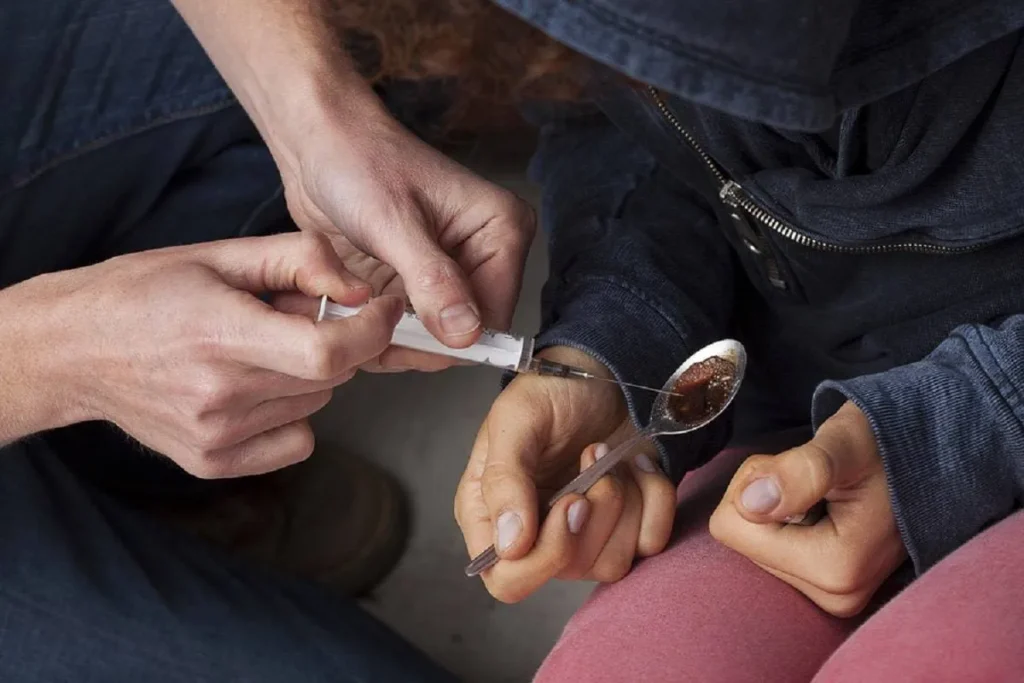
Understanding heroin addiction is key to early help and recovery. The path from first use to addiction has clear signs at each stage.
As heroin use grows, it changes the brain. This leads to strong cravings, making it hard to stop. Spotting these signs in oneself or others is the first step to getting better.
Recovery is possible with the right treatment. This includes medical help and psychological support. Places like GoldCity Center offer top-notch care for those fighting addiction.
Belangrijkste opmerkingen
Heroin dependency develops through distinct and recognizable stages.
Early recognition of signs is key for effective intervention.
Comprehensive treatment is essential for successful recovery.
Medical and psychological support improve recovery chances.
Recovery is achievable with the right support and treatment.
Understanding the Heroin Addiction Stages
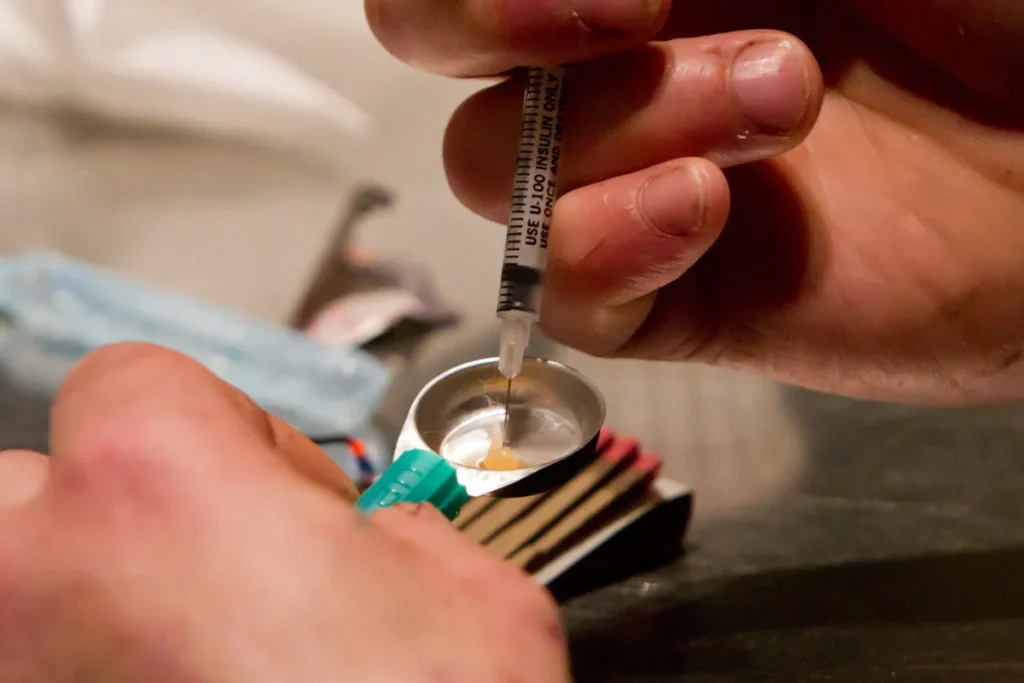
It’s important to know the stages of heroin addiction to help people recover early. Heroin addiction starts with small changes in thoughts, feelings, and actions. It’s key to spot these signs early.
Heroin addiction starts with trying it for the first time. People feel happy because heroin affects the brain’s reward system. As they keep using, they might start to use it more often, need more to feel the same, and then become dependent and go through withdrawal.
Stage 1: Experimentation
At first, people try heroin out of curiosity or because their friends do. They use it a little and can stop anytime. But, the feeling of happiness can make them want to use it again.
“The initial use of heroin is often seen as a voluntary choice, but it can quickly spiral out of control.”
Stage 2: Recreational Use
When people use heroin more often but not every day, it’s called recreational use. They might think they can stop anytime, but they start to need more heroin to feel the same way.
Experts zeggen,
Stage 3: Regular Use and Tolerance
Using heroin regularly is a big step towards addiction. The body gets used to it, and users need more to feel the same high. This increases the risk of overdose.
Stage 4: Dependency and Withdrawal
Dependency means you can’t stop using heroin even when it hurts. When you stop or use less, you get withdrawal symptoms. This creates a cycle of wanting to use and using more.
Signs of dependency include:
Increased tolerance to heroin
Ontwenningsverschijnselen als je niet gebruikt
Neglecting responsibilities because of heroin
Using heroin even when it causes health problems
Knowing these stages helps us fight heroin addiction better. Catching it early can stop it from getting worse and help people recover.
Timeline and Factors Affecting Addiction Development

The journey into heroin addiction is different for everyone. Many factors play a role. Knowing these is key to making good treatment plans.
How Quickly Tolerance Develops
Heroin tolerance grows fast, often in just weeks. Users may need more to feel the same, speeding up addiction. Rapid tolerance is a big sign of heroin’s addictive nature.
Things like how often you use, the dose, and your body’s way of processing it matter. Your genes can also affect how fast you build up a tolerance.
Withdrawal Timeline
Withdrawal from heroin starts 6-12 hours after last use, hitting its peak in 48-72 hours. It can last about five days, but some symptoms may stick around longer. It’s important to have medical help during this time to manage symptoms well.
Going through detox with a doctor’s help is safer. It lowers the risk of problems and boosts recovery chances.
Individual Risk Factors
Many things can make someone more likely to get addicted to heroin. These include genetics, mental health, and environment. Starting treatment early and making it personal can really help.
Knowing these risk factors helps doctors create better treatment plans. This makes heroin abuse treatment and treatment for heroin addiction more effective.
Conclusion: Pathways to Recovery from Heroin Addiction
Recovering from heroin addiction is a journey that needs professional help and support. It involves detox, rehab, and therapy. These steps are key to overcoming addiction.
Medications like methadone and buprenorphine help manage withdrawal symptoms and cravings. They make it easier for people to recover. With the right treatment and support, heroin recovery is possible.
Getting help for heroin addiction is the first step to a healthier life. Knowing the treatment options and getting professional help is essential. This way, individuals can beat heroin addiction and achieve lasting recovery.
FAQ
What are the stages of heroin addiction?
Heroin addiction typically progresses through several stages. It often begins with experimentation, followed by recreational use. With continued use, a person develops regular use and starts to rely on the drug to function. Over time, dependence forms, leading to strong cravings and withdrawal symptoms when they try to stop. Eventually, the addiction becomes compulsive, making it difficult to quit without help.
How long does it take to develop a tolerance to heroin?
Tolerance to heroin can develop very quickly, often within days or weeks of repeated use. As tolerance grows, the body requires higher doses to achieve the same effect. This increases the risk of dependence, addiction, and overdose.
What are the symptoms of heroin withdrawal?
Heroin withdrawal can cause both physical and psychological symptoms. Common physical symptoms include muscle aches, sweating, nausea, vomiting, diarrhea, chills, and insomnia. Psychological symptoms may include anxiety, irritability, depression, and intense cravings. Withdrawal usually begins within hours of the last dose and can last several days to a week.
What are the individual risk factors that contribute to heroin addiction?
Several factors can increase the risk of developing heroin addiction. These include a family history of substance use, mental health conditions such as anxiety or depression, chronic pain requiring opioids, exposure to prescription painkillers, social or environmental pressures, and early drug experimentation. Trauma and stress can also make a person more vulnerable to addiction.
What are the available treatment options for heroin addiction?
Treatment for heroin addiction includes a combination of medical and behavioral approaches. Medication-assisted treatment (MAT) using methadone, buprenorphine, or naltrexone can reduce cravings and withdrawal symptoms. Behavioral therapies such as cognitive behavioral therapy, counseling, group therapy, and support programs help address underlying issues. Inpatient rehab, outpatient programs, and long-term recovery support are also commonly used.
How effective is treatment for heroin addiction?
Treatment can be highly effective when it includes the right combination of medication, therapy, and long-term support. Recovery success increases when individuals stay in treatment for an adequate amount of time, follow a structured plan, and have access to ongoing support services. While relapse can occur, it does not mean treatment has failed. Many people achieve long-term recovery with continued care.
Can heroin addiction be overcome?
Yes, heroin addiction can be overcome. With proper treatment, support, and commitment, many individuals fully recover and rebuild their lives. Recovery is often a long-term process, but many people successfully maintain sobriety and regain control of their health and well-being.
Referenties
New England Journal of Medicine. Evidence-Based Medisch Inzicht. Opgehaald van https://www.nejm.org/doi/full/10.1056/NEJMp1402780





