
Knowing the signs of a heroin overdose can save lives. It’s important for family, friends, and doctors to know what to look for. This way, they can act fast.
The CDC reports that nearly 162,000 people died from heroin overdose from 1999 to 2023. Look for signs like slow breathing, tiny pupils, and losing consciousness. Quick action is key to saving lives.
It’s vital to know the signs of heroin overdose to act quickly. GoldCity Center focuses on fast, quality care for overdose patients. This ensures they get the help they need right away.
Belangrijkste opmerkingen
Recognizing the signs of heroin overdose is key to saving lives.
Look for signs like slow breathing, tiny pupils, and losing consciousness.
Quick action with naloxone can save lives.
GoldCity Center offers fast, quality care for overdose victims.
Spreading awareness of overdose symptoms is important to prevent deaths.
The Scope of Heroin Overdose: Statistics and Impact
The heroin overdose crisis is a major global health issue that needs urgent action. The numbers of heroin overdose cases are very concerning. It’s important to know how widespread this problem is to find ways to stop it.
Global and US Overdose Data
The World Health Organization (WHO) says about 125,000 people die from opioid overdose every year worldwide. In the US, almost 5% of opioid overdose deaths are from heroin. These numbers show how big of a problem heroin overdose is globally.
De belangrijkste statistieken zijn:
Between 1999 and 2023, nearly 162,000 people died from heroin overdose in the US.
In 2023, heroin was involved in approximately 14,000 overdose deaths in the US.
Who Is at Risk for Overdose
People who use heroin, like those who inject or smoke it, face a higher risk of overdose. Those who mix heroin with other substances, like alcohol or sedatives, are also at greater risk. Knowing who is most at risk helps us focus our efforts to prevent more overdoses.
High-risk groups include:
Individuals with a history of substance abuse.
Those who use heroin in combination with other substances.
People with limited access to healthcare and support services.
Recognizing a Heroin Overdose: Key Warning Signs
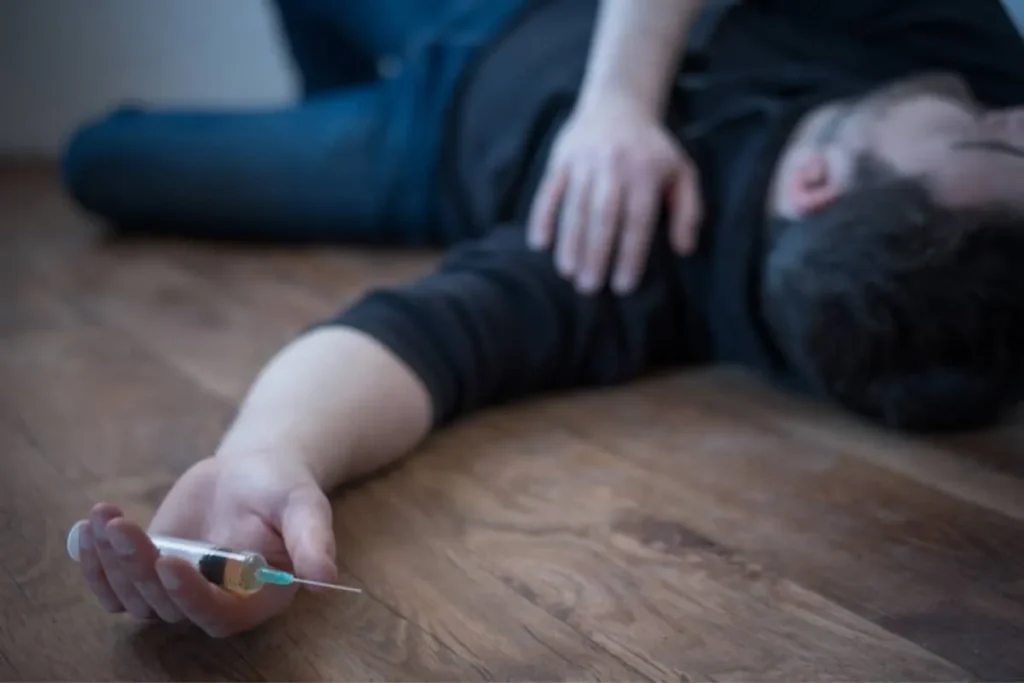
Knowing the signs of a heroin overdose can save a life. It’s important to recognize these signs quickly to help.
Vroege waarschuwingssignalen
The first signs of a heroin overdose can be small but very important. Look for trouble walking, talking, or staying awake. People might seem drowsy or confused and their speech could be slurred.
Critical and Life-Threatening Symptoms
As an overdose gets worse, serious symptoms appear. These include slow or stopped breathing, tiny pupils, and losing consciousness. Other signs are blue lips or fingers, severe trouble breathing, or no breathing at all.
Knowing these signs is key to saving someone’s life. If you see these symptoms, act fast and get medical help right away.
The Pathophysiology of Heroin Overdose
Heroin overdose happens when the brain and lungs interact in complex ways. Heroin, or diacetylmorphine, is an opioid that affects the central nervous system. It works by binding to opioid receptors, which can lead to pain relief and feelings of euphoria.
How Heroin Affects the Brain and Respiratory System
Heroin turns into morphine in the brain, which then binds to opioid receptors. This action weakens the brain’s control over breathing, causing respiratory depression. This can slow down or even stop breathing, leading to a lack of oxygen in the body.
The brain’s reward system also plays a role, releasing dopamine and creating a high. But, this high comes with a deadly risk due to the drug’s effect on breathing.
Why Overdose Can Be Fatal
An overdose happens when too much heroin is taken, leading to a life-threatening situation. The main cause of death is respiratory failure. Without enough oxygen, the body’s tissues and organs can suffer damage or death.
It’s important to understand how heroin overdose works to find better treatments. Knowing the signs of overdose and acting fast can save lives. Administering naloxone, a drug that reverses opioid overdose, is a key step in emergency care.
Conclusion: Immediate Actions When Witnessing an Overdose
When someone is having a heroin overdose, every second is critical. Knowing how to act can save a life. If you see someone overdosing, call 911 right away.
Give naloxone if you have it. Naloxone is a safe drug that quickly stops heroin’s effects. It’s key to know how to use it to save lives.
It’s important to understand how naloxone works. It blocks heroin’s effects, helping the person breathe again. Remember, naloxone is easy to use, but getting medical help fast is also vital.
Heroin is very addictive and can cause fatal overdoses. Knowing the dangers and acting fast can save lives. Being informed and ready can change someone’s life.
FAQ
What are the signs and symptoms of a heroin overdose?
Signs of a heroin overdose include slow breathing and tiny pupils. You might also see someone lose consciousness or have blue lips. Severe breathing problems or no breathing at all are also warning signs.
How does heroin overdose occur?
Heroin overdose happens when it messes with the brain’s breathing control. This can lead to serious breathing issues.
Who is at risk for a heroin overdose?
People who use heroin, like those who inject or smoke it, face a higher risk. Using heroin with other drugs, like alcohol or sedatives, also increases the risk.
What is the pathophysiology of heroin overdose?
Heroin overdose happens when it binds to opioid receptors in the brain. This causes breathing to slow down, which can be deadly if not treated quickly.
What should I do if I witness a heroin overdose?
If you see someone overdosing on heroin, act fast. Call 911 and give naloxone if you have it. This can save their life.
What is naloxone, and how does it help in a heroin overdose?
Naloxone is a safe drug that quickly reverses opioid overdose symptoms. It helps restore breathing and wakefulness.
How much heroin can cause an overdose?
The amount of heroin that can cause an overdose varies. Taking too much or mixing it with other drugs raises the risk.
What are the statistics on heroin overdose deaths?
The CDC reports nearly 162,000 heroin overdose deaths from 1999 to 2023. The WHO says about 125,000 people die from opioid overdose each year worldwide.
Can heroin overdose be treated, and what is the treatment?
Yes, heroin overdose can be treated. Quick medical help, including naloxone, is key. It helps people survive and get the care they need.
What is diacetylmorphine, and how is it related to heroin overdose?
Diacetylmorphine is another name for heroin. Knowing how it affects the brain and body helps spot overdose signs.
Referenties
Wereldgezondheidsorganisatie. Evidence-Based Medisch Inzicht. Opgehaald van https://www.who.int/news-room/fact-sheets/detail/opioid-overdose[5





