
Alcohol cravings are a big public health issue, affecting millions who want to drink less or stop. Knowing the science behind these urges is key to learning how to manage alcohol cravings well.
Cravings aren’t just about willpower; they’re complex brain processes. They’re triggered by stress, habit, memory, and survival needs. About 10.2 percent of people aged 12 and older have alcohol use disorder. This shows we need strong strategies to fight alcohol cravings.
By understanding the brain’s role in cravings and using proven methods, you can take back control of your health. This guide will show you 7 effective ways to fight the urge to drink and beat cravings.
Belangrijkste opmerkingen
Understanding the neurobiological basis of alcohol cravings is key for effective management.
Evidence-based strategies can help individuals overcome persistent cravings.
Managing stress and habits can greatly reduce the urge to drink.
Using a complete approach can lead to better health outcomes.
Reclaiming control over alcohol cravings is possible with the right strategies.
Understanding Alcohol Cravings and Their Impact
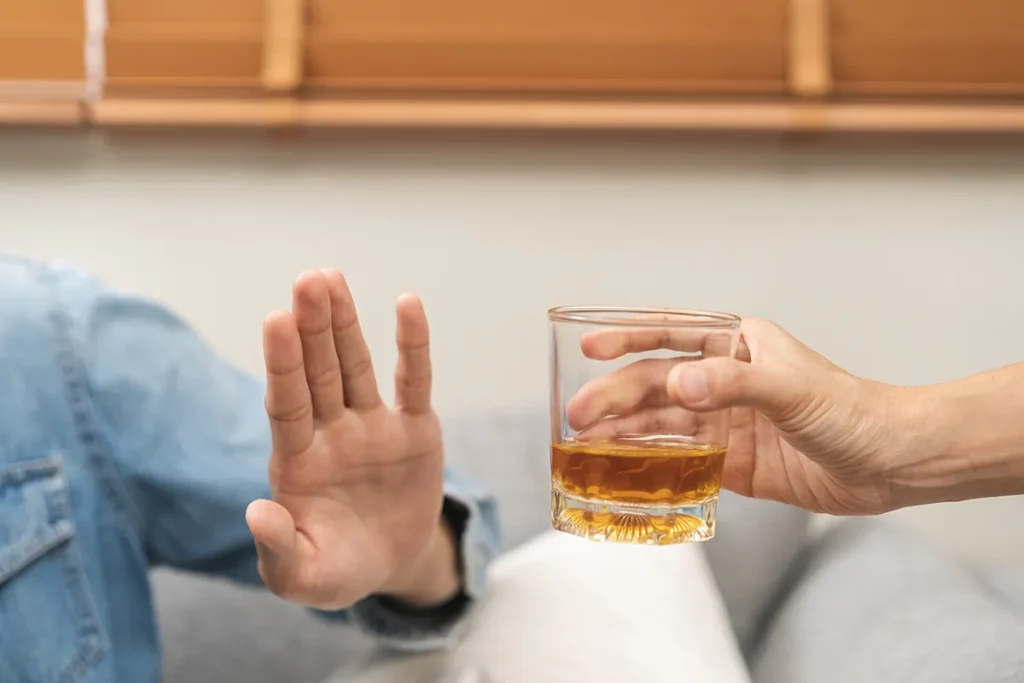
To manage alcohol cravings, knowing their causes is key. These cravings stem from changes in the brain’s reward and stress systems. They involve neurotransmitters like dopamine, glutamate, and GABA.
The Neurobiological Basis of Alcohol Cravings
The brain’s reward system is central to alcohol cravings. Dopamine, known as the “feel-good” neurotransmitter, is released when we drink. This makes us want to drink more. But, drinking too much can change the brain’s chemistry, leading to cravings.
The table below shows the neurotransmitters linked to alcohol cravings and their roles:
Common Triggers and the Cycle of Dependence
Knowing what triggers cravings is important. Triggers can be emotional, environmental, or social. Stress is a big one, as it can make us crave alcohol to cope. Other triggers include low blood sugar, habits, and social cues.
Spotting these triggers helps us find ways to avoid or deal with them. This can help break the cycle of dependence. Understanding the causes and triggers of alcohol cravings is a big step towards recovery.
How Can I Stop Craving Alcohol: 7 Evidence-Based Strategies
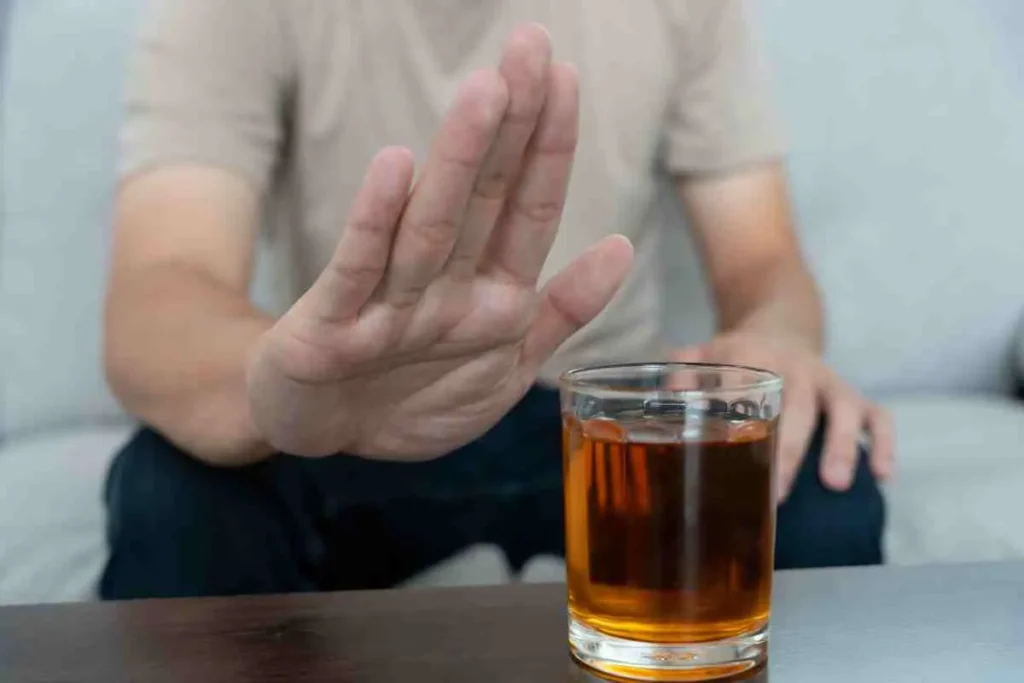
There are powerful strategies to help manage alcohol cravings. By using these methods daily, you can lessen cravings and live a healthier life without alcohol.
Strategy 1: Practice Mindfulness Meditation to Reduce Urges
Mindfulness meditation is a great way to handle alcohol cravings. It teaches you to see and handle cravings without giving in. Regular practice lowers stress in the brain, making it easier to resist cravings.
Mindfulness meditation focuses on the now, often by paying attention to breath or body. It helps you watch cravings without acting on them, promoting a non-judgmental mindset.
Strategy 2: Improve Nutrition and Exercise for Brain Health
Eating well and exercising regularly are key to managing cravings. A healthy body can better handle recovery challenges. Exercise also boosts mood and reduces stress, helping to fight cravings.
Focus on a balanced diet with fruits, veggies, whole grains, and lean proteins. Steer clear of sugary and processed foods to keep blood sugar stable and cravings low.
Strategy 3: Identify and Avoid Personal Drinking Triggers
Knowing and avoiding personal triggers is vital. Triggers can be emotional, environmental, or social. Identifying them requires self-reflection. Once found, it’s important to have strategies to avoid or deal with them.
If certain social situations make you want to drink, plan different activities or find new sober social circles. Keeping a trigger journal helps spot patterns and find ways to cope.
Strategy 4: Build a Supportive Community Network
Having a supportive community is key to managing cravings long-term. Being around people who get and support your recovery journey boosts motivation and strength.
Joining support groups like AA can give you a sense of belonging and accountability. Also, having supportive family and friends provides emotional and practical help when needed.
Conclusion: Your Personalized Path to Freedom from Alcohol Cravings
Understanding why we crave alcohol is key to beating those urges. By using proven methods, we can say goodbye to cravings and live sober. Finding the right approach for you is important. This way, you can fight off the need to drink.
Overcoming alcohol cravings takes self-awareness, making healthy lifestyle choices, and having support. Mindfulness, better eating and exercise, and a strong support network help a lot. These tools help you manage your cravings well.
As you move forward in your recovery, you’ll grow more confident. Staying true to your goals and learning new ways to fight cravings is essential. This path leads to a healthier, more balanced life.
FAQ
What are some effective ways to stop alcohol cravings?
Mindfulness meditation and better nutrition and exercise can help. Also, knowing and avoiding your drinking triggers is important. Building a supportive community is key too.
How can I reduce my urge to drink?
Understanding why you crave alcohol is the first step. Then, use mindfulness, eat well, and avoid triggers. This helps you stay sober.
What are some common triggers for alcohol cravings?
Stress, emotions, social events, and certain places can trigger cravings. Knowing your triggers helps you plan better.
How do I manage alcohol cravings when I feel like I want a drink?
Have a plan ready, like calling a friend or doing something healthy. This way, you can resist the urge to drink.
Can nutrition and exercise really help with alcohol cravings?
Yes, they support brain health and reduce cravings. A good diet and exercise boost your overall health and strength.
How can I stay committed to my recovery journey?
Know your cravings, have a personal plan, and stay connected with others. This helps you stay on track and succeed in recovery.
What if I experience a strong craving for wine or other alcoholic beverages?
Have a plan, like finding healthier options or calling a friend. This helps you manage cravings and keep your recovery on track.
How can I curb my cravings for alcohol?
Use mindfulness, avoid triggers, and eat well. These steps help you control cravings and live a healthier life.
Is it possible to beat alcohol cravings completely?
Yes, it’s possible with the right strategies and support. Stay committed to your recovery to achieve lasting success.
Referenties
Nationaal Centrum voor Biotechnologie-informatie. Evidence-Based Medisch Inzicht. Opgehaald van https://pubmed.ncbi.nlm.nih.gov/26800140/