
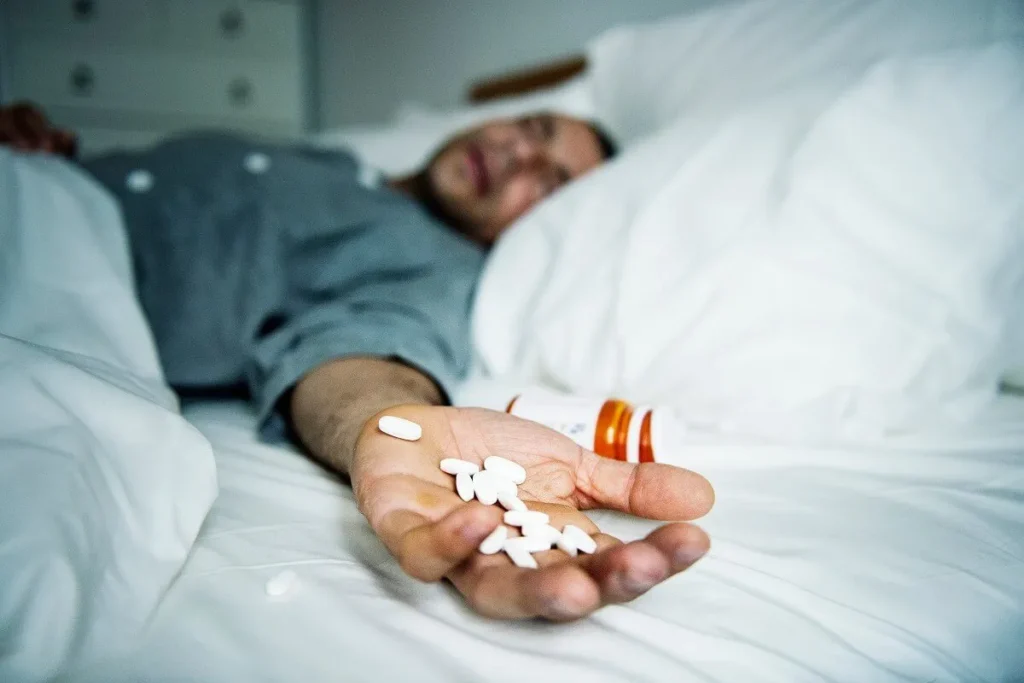
Drug addiction is a big problem worldwide, affecting millions. About 48.5 million Americans aged 12 and older had substance use disorders last year. It’s important to know how to stop using drugs for those struggling with addiction.
It’s never too late to quit using drugs or alcohol. But, stopping on your own can be risky. Getting professional help is key to deal with withdrawal, cravings, and mental health issues. With the right support and treatment, recovery is possible, and staying drug-free can be maintained.
Belangrijkste opmerkingen
Understanding the risks of self-guided detox is important.
Professional help is essential for overcoming addiction.
Evidence-based treatment strategies improve recovery rates.
Relapse risk drops significantly after sustained sobriety.
Compassionate, complete care is vital for treating addiction.
Understanding Drug Addiction and Its Impact

Drug addiction is a treatable disorder that can affect anyone. It’s not just about the person using drugs; it’s a brain disease. Experts say, “Addiction is a chronic disease that affects the brain’s reward, motivation, and memory functions.”
The Science Behind Addiction
Understanding drug addiction starts with the science. It involves changes in the brain’s biology and psychology. When someone uses drugs, it releases dopamine, a chemical linked to pleasure. Over time, the brain changes, making it dependent on the drug to feel normal or avoid withdrawal.
Detoxification is key in recovery. It removes the drug from the body and helps manage withdrawal. Studies show that about 75 percent of people with addiction will recover. Success rates are around 68 percent for those who finish detox programs.
Recognizing Signs of Dependency
Spotting dependency signs early is important. Look for increased tolerance, withdrawal symptoms, and a strong desire to use despite efforts to stop. If you see these signs in yourself or someone else, getting help is essential.
Statistics on Recovery Success
Recovery from drug addiction is possible. Research shows that about 75 percent of people with addiction will get better. For those who finish detox, success rates are around 68 percent. These numbers offer hope and motivation for those in recovery.
Understanding drug addiction helps in the recovery journey. It’s a path that needs patience, support, and a solid treatment plan. With the right mindset and resources, beating drug addiction is achievable.
How Can I Stop Doing Drugs: Practical Steps to Recovery
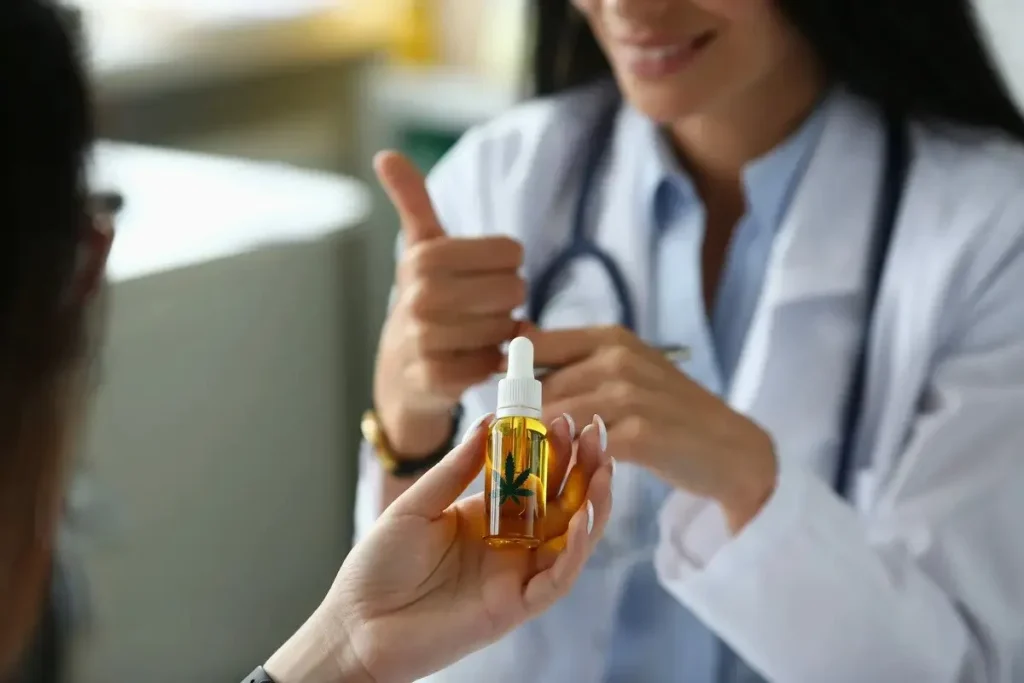
Stopping drug use is tough but very rewarding. It begins with recognizing the problem. You need commitment, support, and the right strategies to succeed.
Acknowledging the Problem and Seeking Help
The first step is acknowledging the issue and seeing how it affects your life. Getting help is key, whether from professionals, support groups, or family.
By asking for help, you start to tackle the reasons behind your addiction. You can then make a plan to get better.
Professionele behandelopties
There are many professional treatment options. These include individual, group, or family therapy sessions. These programs help you understand addiction, stay drug-free, and avoid relapse.
There are different levels of care, like outpatient, residential, and inpatient programs. This lets you pick what’s best for you.
Overcoming Treatment Barriers
Even with good treatments, many face barriers to getting help. These can be cost, stigma, or not knowing about resources.
It’s important to overcome these barriers. This way, everyone can get the help they need for lasting sobriety.
Self-Help Strategies for Recovery
Along with professional help, self-help strategies are key. These include living a healthy lifestyle, joining support groups, and managing stress.
Using these strategies daily helps keep sobriety and leads to long-term recovery success.
Conclusie
Stopping drug use is a journey that needs commitment, support, and the right resources. Understanding addiction and treatment options is key. It helps individuals start their recovery path.
A solution to drugs is to acknowledge the problem and seek help. This can be through professional treatment or self-help strategies.
Ongoing treatment and support are vital to prevent relapse. This can include regular appointments with a counselor or joining a self-help program. Support groups also play a big role in helping people stay sober.
Getting clean from drugs is a big step towards a better life. Evidence-based treatments and prevention strategies help people overcome addiction. So, how do I quit using drugs? It’s about a mix of professional help, support groups, and a commitment to sobriety.
Stopping drug use is a long-term commitment to recovery. By understanding how to stop drug use and providing the right resources, we can help people overcome addiction. This leads to a life of lasting recovery and wellness.
FAQ
What are the first steps to stop using drugs?
First, you need to admit you have a problem. Then, seek professional help. Learn about the treatment options available. It’s key to know the signs of dependency and the dangers of detoxing alone.
How can I stay drug-free after recovery?
To stay drug-free, you need ongoing support. This includes therapy, support groups, and self-help. These steps help keep you sober and prevent relapse.
What are the benefits of seeking professional help for drug addiction?
Professional help offers proven treatments like medication and therapy. It also helps overcome barriers like cost and stigma. This support is vital for recovery.
How can I overcome the stigma associated with seeking help for drug addiction?
Seeing addiction as treatable is the first step. Recognize that seeking help shows strength. This mindset helps you start your recovery journey.
What self-help strategies can aid in recovery from drug addiction?
Healthy living, stress management, and support groups are key. These strategies help keep you sober and achieve lasting success.
How can I prevent relapse after recovering from drug addiction?
Preventing relapse needs ongoing support. This includes therapy, support groups, and self-help. These steps help maintain sobriety and avoid relapse.
What are the most effective treatment options for drug addiction?
The best treatments combine therapy, medication, and self-help. Knowing these options helps you choose the right care for your recovery.
How can I get help for drug addiction if I’m struggling with cost concerns?
Affordable options exist, like community clinics and sliding-scale fees. Many centers also offer financial help. This makes treatment more accessible.
What are the signs of dependency, and how can I recognize them?
Signs include tolerance, withdrawal, and compulsive drug use. Recognizing these early is key to seeking help.
How can I support a loved one struggling with drug addiction?
Show empathy and understanding. Acknowledge addiction’s complexities and the need for professional help. Your support can encourage them to seek recovery.
Referenties
JAMA-netwerk. Evidence-Based Medisch Inzicht. Opgehaald van https://jamanetwork.com/journals/jamapsychiatry/fullarticle/2767928
How Can I Stop Doing Drugs: A Complete Path





