
Anxiety is a big mental health issue affecting millions around the world. The World Health Organization (WHO) says nearly 301 million people have anxiety disorders. But, there are many evidence-based techniques that can help lessen anxiety, making life calmer and more balanced.
GoldCity Center uses a patient-focused method. They mix cognitive behavioral therapy with relaxation techniques to help people control their anxiety. This article will show you 10 effective ways to manage anxiety and live better.
Belangrijkste opmerkingen
Understanding the prevalence of anxiety disorders
Exploring evidence-based techniques for anxiety relief
GoldCity Center’s patient-centered approach to anxiety management
10 proven techniques to ease anxiety
Empowering individuals to regain control over their anxiety
Understanding Anxiety in Today’s World
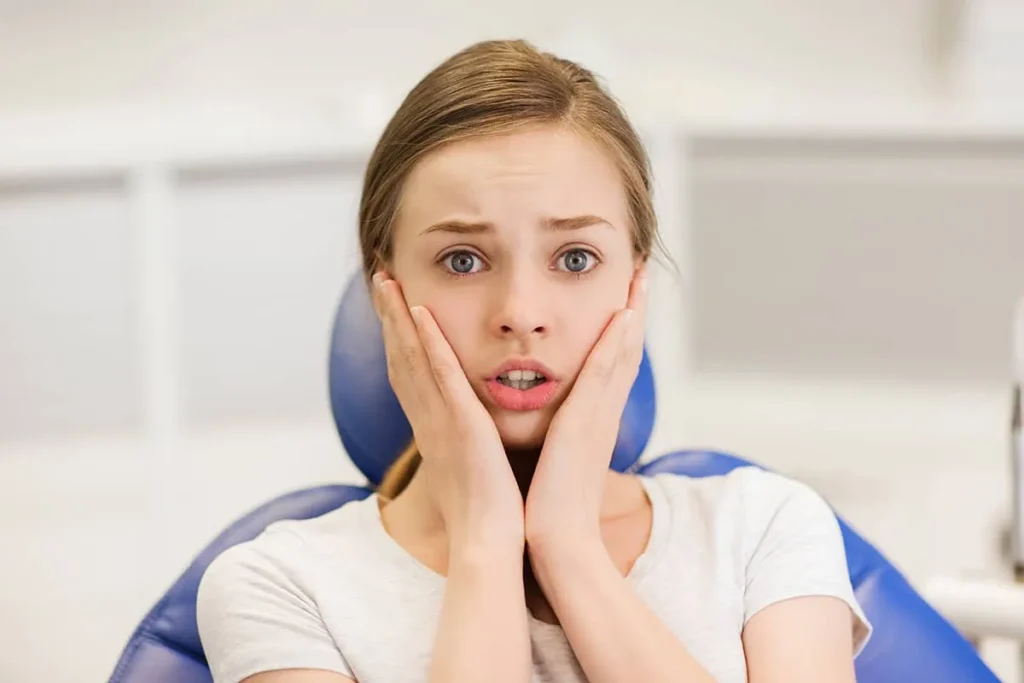
The modern world is seeing a big increase in anxiety. It’s a big issue we need to tackle. We must understand how common anxiety disorders are and how they affect us.
The Rising Prevalence of Anxiety Disorders
Anxiety disorders are getting more common. 43% of U.S. adults reported more anxiety in 2024 than in 2023. This is a worrying trend that needs our focus and efforts.
The fast pace of life and social pressures add to this problem. The constant flow of information also plays a role.
How Anxiety Affects Your Body and Mind
Anxiety shows up in different ways, affecting both body and mind. Symptoms like racing thoughts and restlessness can make daily life hard. These symptoms can really lower our quality of life.
To lower anxiety levels, we need to tackle both physical and mental sides. Knowing the signs helps us start managing our anxiety. It’s the first step to getting help and finding ways to cope.
Evidence-Based Ways to Ease Anxiety
[Afbeelding hier toevoegen]
Many proven techniques can help ease anxiety. These methods have been studied and shown to reduce anxiety symptoms. By using these techniques daily, people can manage their anxiety better and feel better overall.
Cognitive Behavioral Therapy (CBT) Techniques
Cognitive Behavioral Therapy (CBT) is a top choice for anxiety management. It helps by changing negative thoughts that cause anxiety. By changing these thoughts, people can feel less anxious. Mind-body approaches like CBT have been proven to help with stress and anxiety.
Identify and challenge negative thoughts
Learn relaxation techniques
Develop coping strategies
Mindfulness Meditation Practice
Mindfulness meditation focuses on the present to reduce worries about the past or future. It has been shown to lower anxiety by promoting relaxation. To begin, find a quiet spot, sit comfortably, and focus on your breath or a mantra.
Diepe ademhalingsoefeningen
Deep breathing exercises are simple yet effective for anxiety relief. They calm the nervous system and reduce anxiety. Techniques include diaphragmatic breathing and the 4-7-8 method.
Diaphragmatic Breathing: Focus on expanding the diaphragm
4-7-8 Method: Breathe in for 4 seconds, hold for 7, and exhale for 8
Progressieve spierontspanning
Progressive Muscle Relaxation (PMR) involves tensing and relaxing muscles to release tension. It reduces anxiety by promoting physical relaxation. Start with your toes and move up to your head, tensing and relaxing each group.
Start with your toes
Tense and relax each muscle group
Work your way up to your head
Additional Techniques to Control Anxiety
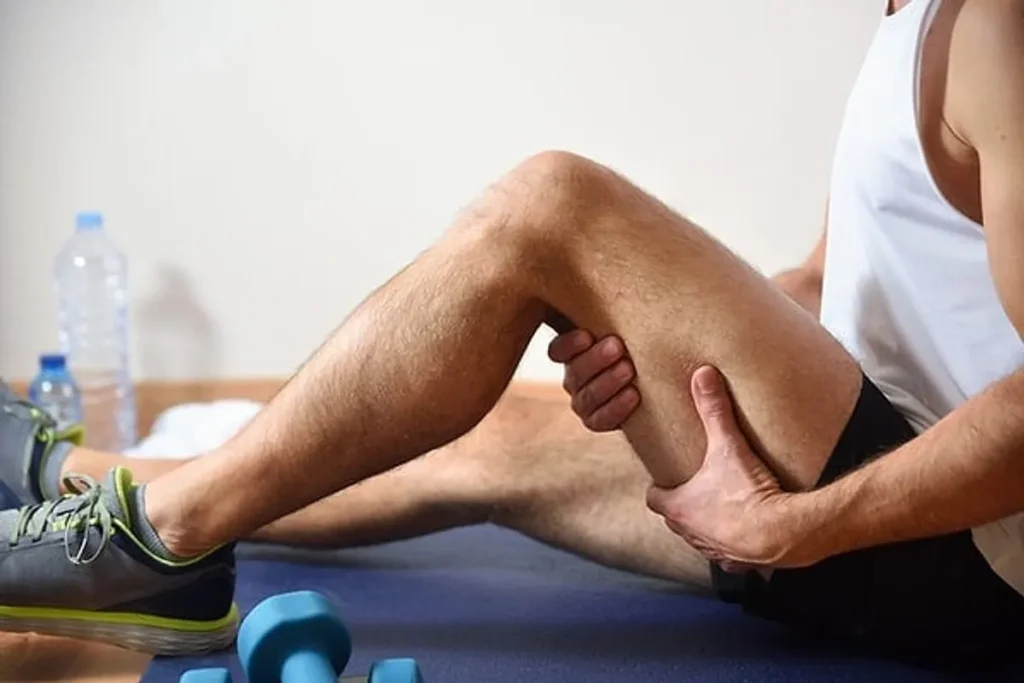
There are many ways to manage anxiety, beyond what you might already do. These methods can help you feel better and improve your overall well-being.
Regular Physical Activity
Regular exercise is a great way to fight anxiety. It releases endorphins, which make you feel good. Try walking, jogging, cycling, or swimming for at least 30 minutes a day.
Laughter Therapy Benefits
Laughter therapy, or laughter yoga, is also effective. It involves laughing without a reason, which lowers stress and anxiety. Laughter can also lower cortisol levels and boost your mood. Watch comedies or play games to add laughter to your day.
Qigong and Mind-Body Practices
Qigong combines movement, breathing, and meditation to relax and reduce anxiety. It balances your body’s energy and improves mental health. Regular qigong practice can greatly reduce anxiety symptoms.
Nutrition and Supplement Approaches
Eating well is key to managing anxiety. Foods like salmon and berries are good for your mood. Magnesium and vitamin B complex supplements can also help. Always talk to a doctor before trying new supplements.
Adding these techniques to your daily life can make managing anxiety easier. They help you live a more balanced and fulfilling life.
Conclusion: Building Your Personal Anxiety Management Toolkit
By adding different techniques to your daily routine, you can decrease anxiety and feel better. It’s important to try out various methods to see what works for you.
Creating your own anxiety management toolkit lets you control your mental health. You can mix techniques like cognitive behavioral therapy, mindfulness meditation, and deep breathing. This way, you can make a plan that fits you perfectly.
To have less anxiety, being consistent and patient is key. Adding activities like regular exercise, laughter therapy, and qigong can also help. By trying these, you can find how to reduce anxiety and live a more balanced life.
Managing anxiety is a journey that needs dedication and self-awareness. By using the techniques from this article, you can build a strong toolkit. This will help you face life’s challenges with confidence and strength.
FAQ
What are some effective ways to relieve anxiety?
Mindfulness meditation, deep breathing, and muscle relaxation can ease anxiety. Cognitive behavioral therapy (CBT) and exercise also help manage it.
How can I lower my anxiety levels quickly?
Quick ways include deep breathing, exercise, and muscle relaxation. Mindfulness and qigong can also calm your mind and body.
What are some anti-anxiety techniques that I can try at home?
Try mindfulness, deep breathing, and muscle relaxation at home. Laughter therapy, qigong, and nutrition approaches are also good for home use.
Can nutrition and supplements help reduce anxiety?
A balanced diet and omega-3 fatty acids can help with anxiety. Always talk to a doctor before starting new supplements.
How can I build a personal anxiety management toolkit?
Explore CBT, mindfulness, and exercise to manage anxiety. Find what works for you and use it daily.
Are there any long-term benefits to practicing anxiety-reducing techniques?
Yes, regular use of techniques like mindfulness and deep breathing can reduce anxiety long-term. It improves your overall well-being.
Can anxiety be completely eliminated?
Anxiety can’t be completely gone, but it can be managed. The right techniques can help control it and improve life quality.
How can I soothe anxiety in the moment?
Use deep breathing, muscle relaxation, and mindfulness to calm anxiety now. A short walk or relaxing activity can also help
Referenties
Nationaal Centrum voor Biotechnologie-informatie. Evidence-Based Medisch Inzicht. Opgehaald van https://pmc.ncbi.nlm.nih.gov/articles/PMC4610618/