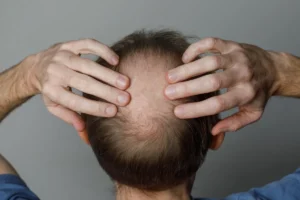

Chronic stress is a long-lasting problem that affects millions of people worldwide. It goes beyond just feeling stressed for a short time. It deeply affects both our mental and physical health.
Unlike short-term stress, chronic stress keeps us in a state of constant worry. It harms our brain, weakens our immune system, and raises the risk of serious diseases like heart disease and depression.
Experts say it’s vital to tackle chronic stress effectively. They stress the need for good management strategies to lessen its harm.
How to manage chronic stress effectively? Learn powerful, life-changing habits to protect your health and find amazing peace in a busy world.
Belangrijkste opmerkingen
Understand the causes and symptoms of chronic stress.
Explore proven strategies to manage chronic stress.
Learn relaxation techniques to reduce stress.
Discover the importance of sleep in stress management.
Build a support network to cope with stress.
Understanding Chronic Stress and Its Effects

Chronic stress deeply affects our lives, changing our brain chemistry and overall health. It’s key to grasp the details of chronic stress and its wide-ranging effects.
Definition and Characteristics of Chronic Stress
Chronic stress is a long-term stress state. It’s different from acute stress, which is short-lived. Chronic stress stays with us, impacting our body’s health.
Key characteristics of chronic stress include:
Persistent feelings of anxiety or overwhelm
Difficulty relaxing or unwinding
Physical symptoms such as headaches, fatigue, or gastrointestinal issues
Emotional strain, including irritability or mood swings
How Chronic Stress Changes Your Brain
Studies show chronic stress changes the brain. It slows down growth in the hippocampus and prefrontal cortex. But it makes the amygdala bigger. This can make us more fearful and less able to think clearly.
These brain changes can lead to mental health issues like anxiety and depression. Knowing this helps us find better ways to manage stress.
Health Risks Associated with Prolonged Stress
Long-term stress can cause serious health problems. It can lead to heart disease, obesity, and diabetes. It also weakens the immune system and changes how we metabolize food.
The health risks associated with chronic stress include:
Cardiovascular disease due to increased blood pressure and heart rate
Metabolic syndrome, including obesity and insulin resistance
Mental health disorders such as depression and anxiety
Gastrointestinal issues, including irritable bowel syndrome (IBS)
Learning about chronic stress helps us fight its effects. It’s a step towards better health and well-being.
How to Manage Chronic Stress Through Physical Techniques

Managing chronic stress needs a mix of physical methods to relax and feel better. These methods help the body respond naturally, lowering stress and boosting health.
Evidence-Based Relaxation Exercises
Relaxation exercises are key in fighting chronic stress. Progressive muscle relaxation, deep breathing exercises, and guided imagery calm the nervous system. They distract the mind from stress and help relax.
Progressive muscle relaxation involves tensing and relaxing muscles to release tension. Deep breathing exercises slow the heart rate and calm the mind. Adding these to your day can greatly reduce stress.
The Role of Regular Physical Activity
Regular exercise is also vital in managing chronic stress. Exercise lowers stress by releasing endorphins, or “feel-good” hormones. Activities like yoga, walking, and swimming boost both physical and mental health.
Regular exercise helps how to relieve chronic stress by releasing tension. It also improves sleep, which further reduces stress.
Sleep Hygiene and Stress Reduction
Good sleep hygiene is essential for managing chronic stress. It means keeping a regular sleep schedule, having a calm sleep space, and avoiding bedtime stimulants. Better sleep helps manage stress and lowers overall stress levels.
To overcome chronic stress, prioritize sleep and create a relaxing bedtime routine. Activities like reading, meditation, or a warm bath can signal it’s time to sleep.
By using these physical methods daily, you can manage chronic stress and enhance your life quality. Whether through relaxation exercises, exercise, or sleep hygiene, proactive stress management offers significant health benefits.
Psychological and Lifestyle Strategies for Stress Relief
Managing stress well means using both mind tricks and healthy habits. Together, they build a strong shield against stress.
Technieken voor cognitieve herstructurering
Cognitive restructuring is a great way to fight stress. It’s about spotting and changing negative thoughts into positive ones. This way, you see stressful moments in a new light.
Steps to Cognitive Restructuring:
Identify stressful situations and your typical responses.
Challenge negative thoughts by examining evidence for and against them.
Replace distorted or unhelpful thinking with more realistic and positive thoughts.
Medical Expert, a cognitive therapy leader, said, “Our thoughts shape our feelings.” Cognitive restructuring helps you control stress by changing your thoughts.
Mindfulness en meditatie
Mindfulness and meditation are great for lowering stress. They keep you in the moment, away from past or future worries.
There are many meditation types, like guided or transcendental. Doing it regularly can really cut down stress.
Setting Healthy Boundaries
Healthy boundaries are key to managing stress. It means saying “no” to things you don’t need, taking care of yourself, and balancing work and life.
Wanneer professionele hulp zoeken?
While many can handle stress on their own, sometimes you need a pro. If stress is too much or gets in the way of daily life, getting help is a smart move.
Signs that you may need professional help include:
Persistent feelings of anxiety or hopelessness.
Difficulty managing daily tasks due to stress.
Physical symptoms such as headaches or stomach issues.
Recognizing when you need help and acting on it can greatly improve your life.
Conclusion: Building Your Personalized Stress Management Routine
Managing stress is a personal journey. It’s key for your overall well-being. You can use physical, psychological, and lifestyle changes to manage stress well.
Creating a stress management plan is about finding what works for you. This could be relaxation exercises, staying active, or mindfulness. Taking charge of your stress can lower risks and boost your life quality.
With a plan that fits you, you can grow stronger and face life’s challenges with confidence. Begin your journey now and see how stress management can change your life.
Veelgestelde vragen
What is chronic stress?
Chronic stress is a long-term feeling of tension. It comes from ongoing stressors like work, money, or relationships. It can harm both your mind and body.
How does chronic stress affect the brain?
Chronic stress changes the brain, affecting areas like the amygdala and prefrontal cortex. This can lead to mood changes, loss of motivation, and problems with thinking.
What are the health risks associated with chronic stress?
Chronic stress can lead to anxiety, depression, heart disease, obesity, and a weak immune system. It’s vital to manage stress to avoid these health issues.
How can relaxation exercises help with chronic stress?
Relaxation exercises like deep breathing, progressive muscle relaxation, and yoga can reduce stress. They help relax the body, lower muscle tension, and improve mood.
What role does physical activity play in managing chronic stress?
Exercise helps manage chronic stress by releasing endorphins, boosting mood, and improving sleep. It’s a key part of a stress management plan.
How can I improve my sleep hygiene to reduce chronic stress?
Good sleep hygiene includes a regular sleep schedule, a relaxing bedtime routine, and avoiding screens before bed. These steps can improve sleep and reduce stress.
What is cognitive restructuring, and how can it help with chronic stress?
Cognitive restructuring is a technique to change negative thoughts into more positive or realistic ones. It helps manage chronic stress and improves mental health.
How can mindfulness and meditation practices help with chronic stress?
Mindfulness and meditation reduce chronic stress by promoting relaxation and improving emotional control. They help individuals cope better with stressors.
Why is setting healthy boundaries important for managing chronic stress?
Healthy boundaries are key to managing chronic stress. They help prioritize needs, protect time and energy, and maintain a balance between work and life. This reduces the risk of burnout.
When should I seek professional help for chronic stress?
If chronic stress is affecting daily life, causing significant distress, or impacting relationships, seek professional help. A mental health expert can create a personalized stress management plan.
Referenties
Nationaal Centrum voor Biotechnologie-informatie. Evidence-Based Medisch Inzicht. Opgehaald van https://pmc.ncbi.nlm.nih.gov/articles/PMC5137920/