
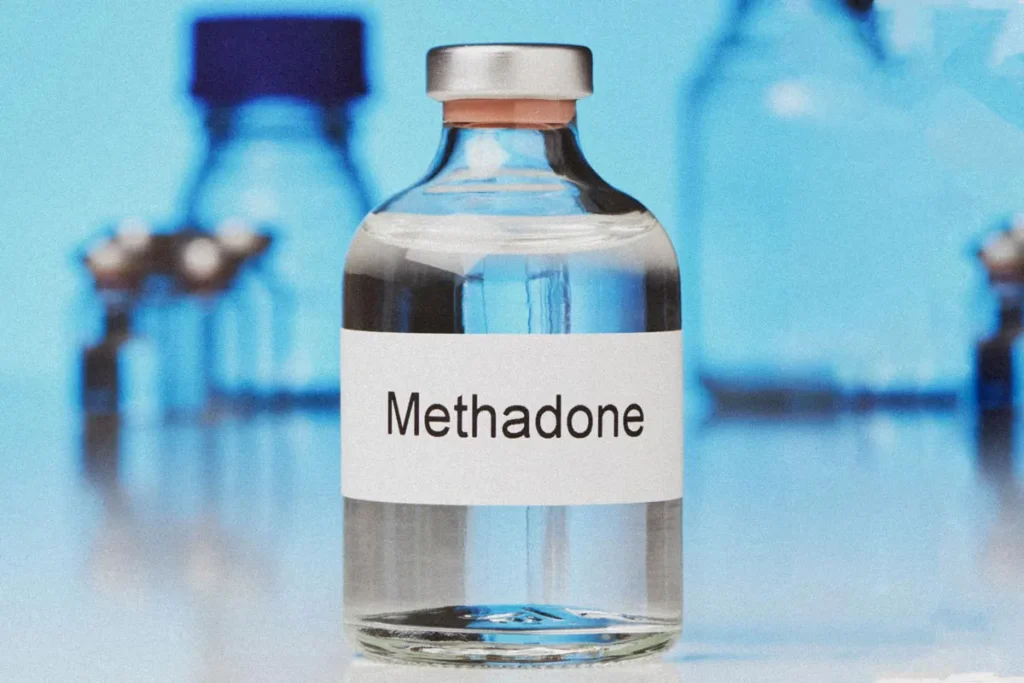
Methadone, a synthetic opioid, has been key in treating opioid use disorder for decades.
Methadone can be addictive because it’s an opioid. But, its role changes when used in regulated treatment settings. In methadone maintenance treatment programs, it eases withdrawal symptoms and blocks the high from other opioids. This helps people in recovery.
The risk of methadone addiction is lower with medical supervision. Accredited medical programs make sure methadone is used right and safely. They tackle both the physical and mental sides of opioid addiction.
Belangrijkste opmerkingen
Methadone is used to treat opioid use disorder.
It’s a long-acting synthetic opioid that reduces withdrawal symptoms.
Medical supervision is key to avoid methadone addiction.
Methadone maintenance treatment is a strong recovery tool.
Regulated settings show methadone’s purpose is different from street opioids.
Understanding Methadone and Its Purpose
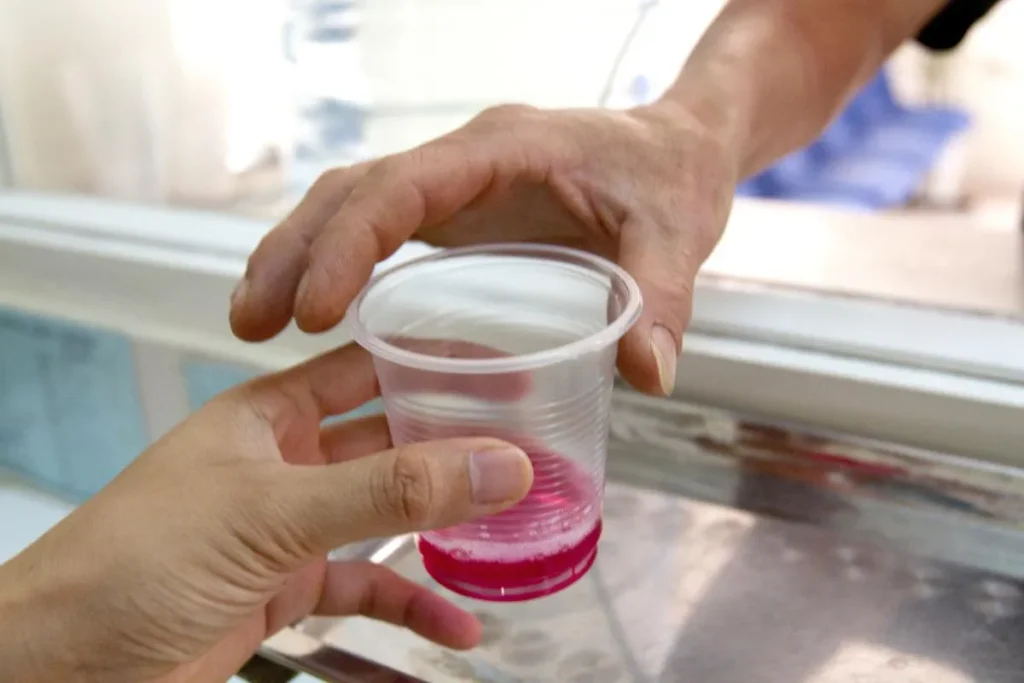
For those fighting opioid addiction, methadone is a beacon of hope. It has been a key part of treating opioid addiction for many years.
What Is Methadone and How Does It Work?
Methadone is a man-made opioid that works differently than heroin or morphine. It helps manage withdrawal symptoms and cravings without causing a high. This makes it easier for people to live without the need for illegal opioids.
What Does Methadone Treat?
Methadone is used for two main reasons: treating pain and managing opioid addiction. It’s part of a treatment plan that includes counseling and therapy. The Substance Abuse and Mental Health Services Administration says it’s effective in reducing opioid use and improving life quality.
How Long Does Methadone Last in the Body?
Methadone’s long-lasting effect is a big plus. It can stay in the body for up to 24 to 36 hours. This means people only need to take it once a day, making it easier to manage.
In summary, methadone is a critical medication for opioid addiction and pain. Its unique properties make it a powerful tool in the fight against addiction, giving people a second chance at a better life.
Is Methadone Addictive? The Science Explained
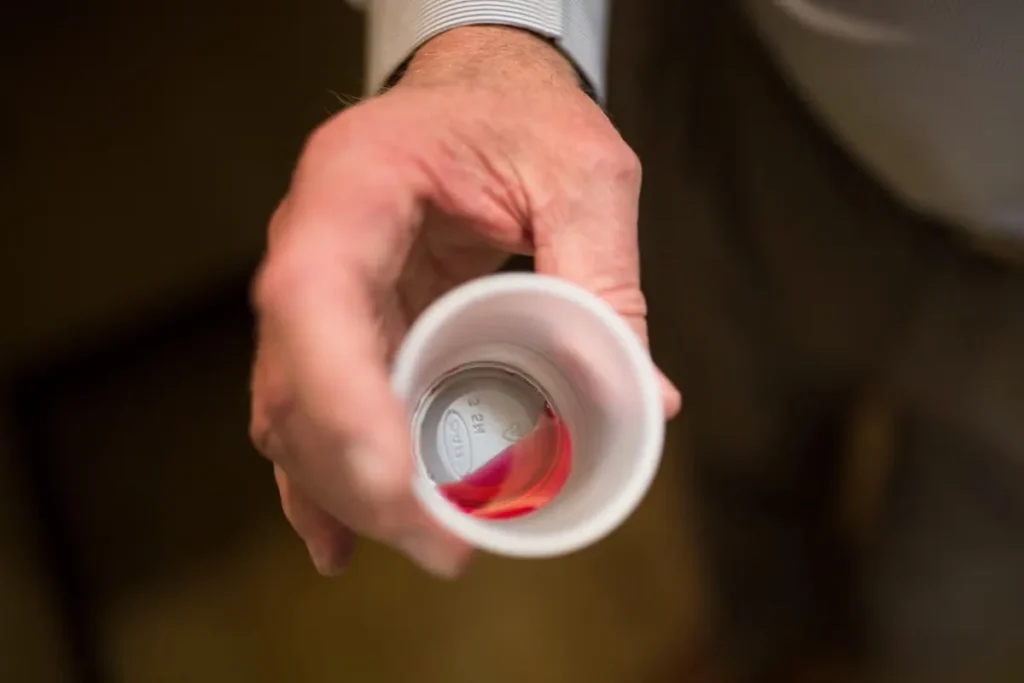
To understand methadone’s addictive nature, we need a detailed look. Methadone is used to treat opioid addiction but can also be abused and lead to dependence.
Methadone’s Addiction Potentail vs. Illicit Opioids
Methadone is compared to illicit opioids for its addictive risk. Unlike heroin or fentanyl, methadone is a long-acting opioid taken orally, usually under doctor’s care. This makes it less likely to be abused compared to shorter-acting opioids.
Studies show methadone doesn’t usually cause euphoria when used as directed. This is why it has a lower abuse risk than other opioids. For more details on methadone’s effects, check out the National Center for Biotechnology Information.
What Does Methadone Feel Like?
The effects of methadone can differ for everyone. Some might feel calm or see a reduction in withdrawal symptoms. Others could feel sedated or confused. It’s important to remember that methadone doesn’t usually give the euphoric effects seen with illicit opioids.
Physical Dependence vs. Addiction
It’s key to understand the difference between physical dependence and addiction. Physical dependence means needing a substance to avoid withdrawal. Addiction is about compulsive drug-seeking despite harm.
Methadone can lead to physical dependence but doesn’t mean someone is addicted. Many on methadone therapy live normal lives without the compulsive behaviors of addiction.
Methadone Maintenance Treatment: Process and Expectations
For those fighting opioid addiction, methadone maintenance treatment is a structured way to recovery. It includes careful dosing and ongoing monitoring of patients.
Dosing and Treatment Protocols
Methadone dosing is tailored to each patient’s needs. The aim is to manage withdrawal symptoms and cravings without harmful side effects.
Typical dosing protocols start with a low dose. This dose is then adjusted based on how the patient responds. Treatment usually lasts at least 12 months, sometimes longer.
Common Side Effects of Methadone Maintenance
While methadone is generally safe, side effects can occur. These include sedation, constipation, and sweating. These usually lessen as the body gets used to the medication.
It’s vital for patients to talk to their healthcare providers about any side effects. This helps ensure the best treatment outcome.
Effectiveness of Methadone Programs
Methadone maintenance treatment programs greatly reduce drug use and improve social outcomes for those with opioid use disorder. These programs help patients stay on a controlled dose of methadone. This makes it easier for them to engage in counseling and other supportive services.
Key benefits of methadone programs include lower crime rates, better employment, and a higher quality of life for participants.
Conclusie
Methadone maintenance treatment is key in fighting opioid use disorder. It offers a safe and supervised way to handle withdrawal and cravings. Methadone can be addictive if not used right, but its benefits in treatment are huge.
It’s important to know about methadone’s addiction risk for both patients and doctors. When used correctly, methadone lowers relapse chances and helps with long-term recovery. Good treatment programs focus on each person’s needs, watching them closely and providing support.
Understanding methadone’s role in addiction is vital. With the right medical care, methadone can help beat opioid addiction. This leads to recovery and a better life.
FAQ
What is methadone used for?
Methadone is mainly used to treat opioid addiction. It helps people manage withdrawal symptoms and cravings. This supports their recovery journey.
How does methadone make you feel?
Methadone can make you feel calm and reduce withdrawal symptoms. But, it doesn’t give the same high as other opioids when used as directed.
Is methadone addictive?
Methadone can lead to physical dependence. But, its addiction risk is lower when used under medical supervision for opioid addiction treatment.
What does methadone treat?
Methadone treats opioid addiction. It reduces withdrawal symptoms and cravings. This makes it easier for people to manage their addiction.
How do you use methadone?
Methadone is taken orally, once a day. It’s supervised by a healthcare provider as part of a treatment program.
What does methadone feel like compared to other opioids?
Methadone has a unique profile compared to other opioids. It provides a steady, long-lasting effect. This helps manage withdrawal without the intense highs and lows of shorter-acting opioids.
How long does it take methadone to start working?
Methadone starts working within 30 minutes to an hour after taking it. Its peak effects occur later and last longer than many other opioids.
What are the side effects of methadone maintenance treatment?
Common side effects include constipation, drowsiness, and sweating. The severity and presence of these side effects vary among individuals.
Is methadone maintenance treatment effective?
Yes, methadone maintenance treatment is proven to be effective. It reduces opioid use, improves outcomes, and supports long-term recovery in a well-managed program.
What is methadone maintenance treatment?
Methadone maintenance treatment is a form of opioid replacement therapy. It involves prescribing methadone to individuals with opioid addiction. This helps manage their condition and supports recovery.
How are methadone doses managed for maintenance?
Methadone doses are adjusted based on individual needs. They start with a lower dose and increase as needed. This aims to achieve the best effect while minimizing side effects.
Referenties
JAMA-netwerk. Evidence-Based Medisch Inzicht. Opgehaald van https://jamanetwork.com/journals/jamanetworkopen/fullarticle/2760032





