
Suboxone is a drug used to treat opioid addiction. It has buprenorphine, which makes it a narcotic. But, it works differently than heroin or painkillers. It combines buprenorphine with naloxone to lessen withdrawal symptoms and cravings without a strong opioid effect.
Suboxone is part of a medication-assisted treatment (MAT) program. It helps people overcome opioid addiction by easing withdrawal symptoms. Its special mix makes it hard to misuse, helping fight opioid dependency.
Belangrijkste opmerkingen
Suboxone contains buprenorphine, which is technically an opioid and is classified as a narcotic.
The presence of naloxone in Suboxone helps deter misuse by triggering withdrawal if other opioids are present.
Suboxone is used as part of a complete treatment plan for opioid addiction.
It reduces withdrawal symptoms and cravings without causing a significant opioid effect.
Suboxone is a key part of medication-assisted treatment (MAT) programs.
Is Suboxone a Narcotic? Understanding Its Classification
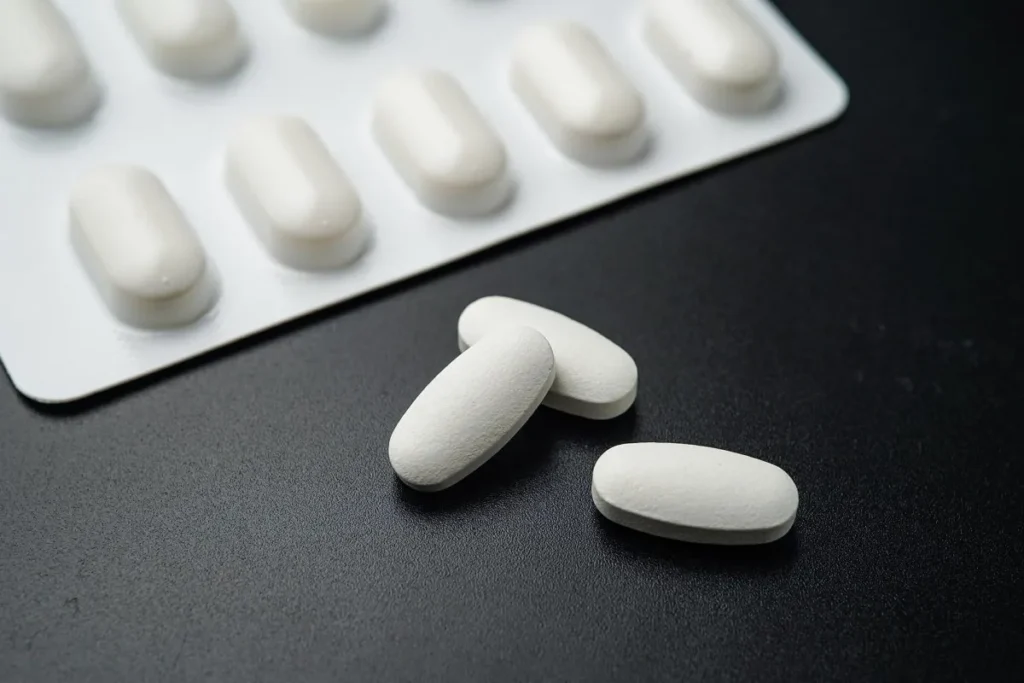
To figure out if Suboxone is a narcotic, we need to look at what it’s made of and how it works. It’s a drug used to treat opioid addiction. Its makeup includes buprenorphine and naloxone.
What is Suboxone and Its Components
Suboxone is a mix of buprenorphine and naloxone. Buprenorphine is a partial opioid that helps with withdrawal and cravings. Naloxone stops misuse by causing withdrawal if injected.
The DEA says buprenorphine is in schedule III. This means it has medical uses but can be abused. This info helps us understand Suboxone’s narcotic status.
Technical Classification vs. Common Understanding
Suboxone is technically a narcotic because of buprenorphine. But, its unique action and naloxone make it different from usual narcotics. Buprenorphine has a “ceiling effect,” which means it doesn’t get stronger past a certain dose. This lowers the risk of overdose and addiction.
Doctors say Suboxone is safer for treating opioid addiction than full opioid agonists. This shows why knowing Suboxone’s technical classification is key for its use in medicine.
In summary, Suboxone is technically a narcotic because of buprenorphine. But, its special makeup and use in treating addiction make it different from other narcotics. It’s a valuable tool in fighting opioid addiction.
How Suboxone Works Differently Than Traditional Opioids

Suboxone treats opioid addiction in a unique way. It has two parts and works as a partial opioid agonist. This is key to seeing how it differs from regular opioids.
Buprenorphine as a Partial Opioid Agonist
Buprenorphine, a main part of Suboxone, is a partial opioid agonist. It connects to opioid receptors in the brain but doesn’t fully activate them. This is different from full agonists like heroin or methadone.
This partial activation helps reduce withdrawal symptoms and cravings. It does this without causing much euphoria. This makes it harder to misuse.
The Ceiling Effect and Overdose Prevention
Buprenorphine’s partial agonist activity has a big benefit: the ceiling effect. As the dose of buprenorphine goes up, its effects don’t get stronger. This means taking more won’t make it work better.
This ceiling effect greatly lowers the chance of overdose. It makes Suboxone a safer choice for treating opioid addiction.
Naloxone’s Role in Deterring Misuse
Suboxone also has naloxone, an opioid antagonist. Naloxone helps stop misuse. When taken as directed (under the tongue), naloxone doesn’t do much.
But if Suboxone is misused by injection, naloxone can cause withdrawal symptoms. This makes it hard to use it the wrong way.
It’s important to know how Suboxone is different from traditional opioids. By mixing buprenorphine and naloxone, Suboxone tackles opioid addiction in a special way. It does this while lowering the risks of traditional opioid treatments.
Suboxone in Treating Opioid Use Disorder
Suboxone is a key medication for treating opioid addiction. It helps those struggling with addiction by managing withdrawal symptoms and cravings. This makes it a valuable tool in the recovery process.
Managing Withdrawal Symptoms and Cravings
Suboxone contains buprenorphine, a partial opioid agonist. It reduces withdrawal symptoms without causing the intense highs or dangerous side effects of other opioids. This helps individuals focus on their recovery journey by reducing cravings.
Effective management of withdrawal symptoms is key in the early stages of treatment. Suboxone’s formulation makes detoxification more manageable by alleviating these symptoms.
Treatment Duration: Short-term vs. Long-term Use
The length of Suboxone treatment varies by individual needs. Some may need short-term use, while others require long-term treatment to stay sober. Both approaches are supported by research as safe and effective.
Short-term use works well for those who are highly motivated and have strong support.
Long-term use is needed for those with severe opioid addiction or a history of relapse.
Effectiveness and Safety Profile
Clinical trials show Suboxone’s effectiveness in reducing opioid use and improving treatment outcomes. Its safety is enhanced by naloxone, which deters misuse by causing withdrawal if injected.
The mix of buprenorphine and naloxone in Suboxone tackles both physical and psychological aspects of addiction. This provides a complete approach to treating opioid use disorder.
Conclusion: Suboxone’s Role in Recovery
Suboxone is a key part of recovery for those fighting opioid addiction. It offers a safe and effective way to manage withdrawal and cravings. This helps people stay on the path to long-term recovery.
Thinking about getting on Suboxone means knowing its good points and possible downsides. It’s not a magic fix, but it’s a big help in treatment plans that include counseling and other support.
Some might worry Suboxone is just swapping one addiction for another. But, when taken as directed, Suboxone is safe and has less chance of abuse than some opioids. The risk of getting too high on it can be lowered by sticking to the doctor’s plan.
For those overcoming heroin or opioid addiction, Suboxone can be a good choice. How long someone needs Suboxone varies. It’s important to work with a doctor to find the right treatment length for the best results.
FAQ
Is Suboxone a narcotic?
Suboxone is a medication for opioid use disorder. It has buprenorphine, a partial opioid agonist, and naloxone, an opioid antagonist. It’s technically a narcotic but its design and action reduce misuse and overdose risks.
Hoe lang mag je Suboxone gebruiken?
Suboxone treatment time varies by individual. Some might need it short-term, while others might need it for a long time or even forever.
Helpt Suboxone mensen langer te leven?
Yes, Suboxone can help by lowering overdose risk and managing withdrawal. This can lead to a more stable and healthier life for those with opioid use disorder.
Can you take Suboxone with other opioids like oxycodone or hydrocodone?
No, taking Suboxone with other opioids is dangerous. It’s meant to be used alone for opioid use disorder treatment. Mixing it with other opioids can increase overdose risk.
Is Suboxone safe for long-term use?
Suboxone is safe for long-term use when used as directed by a healthcare provider. Its safety and effectiveness make it a valuable treatment for many.
How does Suboxone work for withdrawal?
Suboxone manages withdrawal by activating opioid receptors with buprenorphine. This reduces withdrawal symptoms and cravings. Naloxone prevents misuse by causing withdrawal if injected.
Can Suboxone be used to treat heroin addiction?
Yes, Suboxone treats opioid use disorder, including heroin addiction. Its formulation and action are effective for managing withdrawal and cravings from heroin and other opioids.
Is het moeilijk om van Suboxone af te komen?
Stopping Suboxone can be tough. It should be done under a healthcare provider’s guidance to avoid withdrawal. The tapering process is slow to ensure a safe transition.
Hoe lang moet iemand Suboxone gebruiken?
The time on Suboxone varies by individual needs and response. Some might need it short-term, while others might need it for longer or even indefinitely.
Referenties
Nationaal Centrum voor Biotechnologie-informatie. Evidence-Based Medisch Inzicht. Opgehaald van https://pubmed.ncbi.nlm.nih.gov/21979551/