

It’s important to know the difference between opioids and opiates. This is true for patients, caregivers, and doctors. These terms mean different things in medicine and can affect treatment and addiction risk.
Opiates come from the opium poppy plant. This includes morphine and codeine. Opioids, on the other hand, are a wider group. They include natural opiates, semi-synthetic, and fully synthetic drugs like oxycodone and fentanyl.
The difference between opioids and opiates is more than just words. It affects how these drugs are used, prescribed, and controlled.
Belangrijkste opmerkingen
The terms “opioids” and “opiates” are not interchangeable.
Opiates are natural substances derived from the opium poppy plant.
Opioids include natural opiates, semi-synthetic, and fully synthetic compounds.
Understanding the difference is key for medical treatment and managing addiction risk.
The distinction is important for how these drugs are prescribed and regulated.
Understanding Opioids and Opiates: Basic Definitions

To grasp the difference between opioids and opiates, we need to know their basic meanings. The terms around these substances can be tricky. But, understanding them well is key to a full grasp.
What Are Opiates?
Opiates come from the opium poppy plant (Papaver somniferum). They include morphine, codeine, and thebaine. These have been used for pain relief for centuries.
What Are Opioids?
Opioids cover a wider range. They include natural opiates and also semi-synthetic and fully synthetic drugs. Semi-synthetic opioids, like heroin and oxycodone, are made from natural ones. Fully synthetic opioids, like fentanyl, are made entirely by humans and can be very strong.
The main traits of opioids are:
Natural opiates: Come from the opium poppy plant.
Semi-synthetic opioids: Made by changing natural opiates.
Fully synthetic opioids: Made by humans and act like natural opiates.
Classification as Narcotics
Both opiates and opioids are seen as narcotics. This is because they can lead to addiction. This label means they are closely watched and controlled.
Knowing the difference between opioids and opiates is important. It affects how we treat pain, the laws around them, and public health. By understanding these differences, doctors and patients can make better choices about pain relief.
Types of Opioids and Their Origins
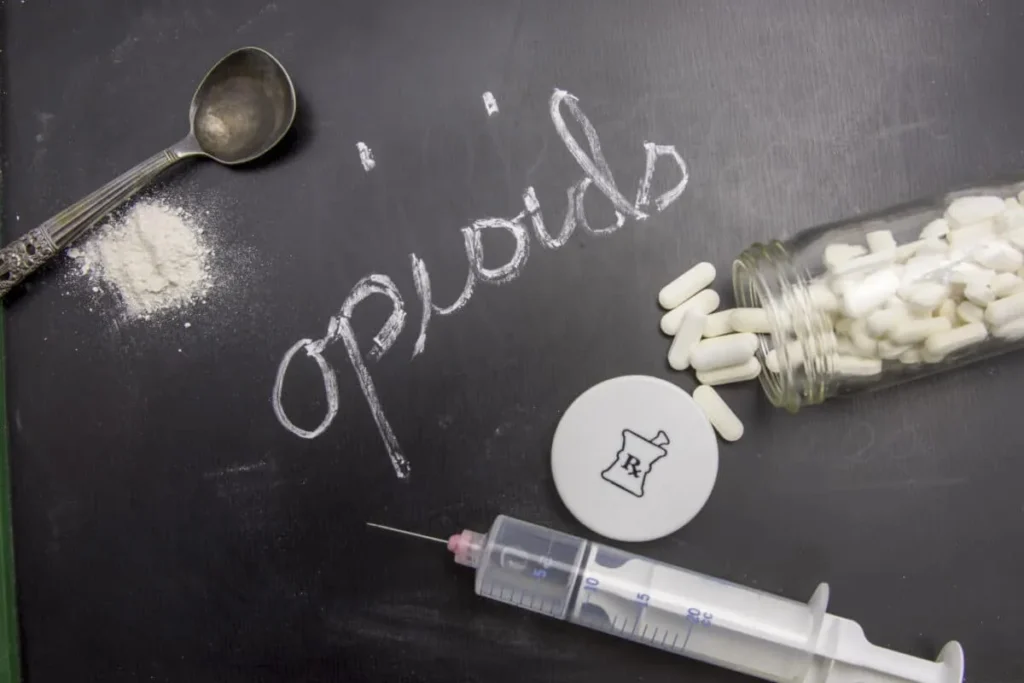
It’s important to know where opioids come from to understand their use in pain relief. Opioids fall into three main groups: natural opiates, semi-synthetic opioids, and fully synthetic opioids.
Natural Opiates from the Opium Poppy
Natural opiates come from the opium poppy plant. Morphine and codeine are examples. They’ve been used for pain relief for centuries.
Semi-Synthetic Opioids and Their Development
Semi-synthetic opioids, like oxycodone and hydrocodone, are made from natural opiates. They have different strengths and last longer. Oxycodone is a common pain reliever.
People often wonder if oxycodone is an opiate or opioid. It’s called an opioid because it’s made from natural opiates.
Fully Synthetic Opioids and Their Potency
Fully synthetic opioids, such as fentanyl and tramadol, are made entirely in a lab. They are much stronger than natural opiates. Fentanyl, for example, is 100 times stronger than morphine.
This strength makes them useful for pain but also risky for misuse and overdose.
Many confuse narcotics and opioids. All opioids are narcotics because they can make you sleepy and relieve pain. But not all narcotics are opioids. Narcotics are drugs that sedate or relieve pain, while opioids are specific because they bind to opioid receptors in the brain.
Is Vicodin an Opioid? Understanding Common Medications
Vicodin is a pain relief medication that contains hydrocodone, a semi-synthetic opioid. Hydrocodone is made from codeine, a natural opiate, through chemical changes. Knowing Vicodin is an opioid is key for safe use.
Classification as a Semi-Synthetic Opioid
Hydrocodone, in Vicodin, comes from codeine. The DEA’s chemical info on hydrocodone shows it’s a semi-synthetic opioid. This makes it similar to other semi-synthetic opioids, known for strong pain relief.
Hydrocodone works by binding to opioid receptors in the brain and nervous system. This reduces pain. Opioids, whether natural, semi-synthetic, or synthetic, work this way.
Effects on the Brain and Nervous System
Vicodin affects the brain and nervous system in several ways. Hydrocodone binds to opioid receptors, reducing pain and causing euphoria. This can lead to abuse. Acetaminophen in Vicodin boosts its pain relief, making it strong for moderate to severe pain.
Here’s how Vicodin works:
It binds to opioid receptors in the brain and spinal cord.
This reduces pain signals.
It also causes euphoria, which can lead to abuse.
Comparing Vicodin to Other Opioid Medications
Vicodin is compared to other opioids for its effectiveness and safety. Like other opioids, it can lead to dependence and addiction. But, its semi-synthetic nature and mix with acetaminophen set it apart from fully synthetic opioids and natural opiates.
When comparing Vicodin to other opioids, several factors are considered:
Potency: Vicodin is moderate in potency.
Efficacy: It’s good for moderate to severe pain.
Risk of dependence: Vicodin has a similar risk to other opioids.
Understanding these comparisons helps healthcare providers decide on prescriptions. For patients, it helps manage expectations and risks with opioid therapy.
Conclusion: Why the Distinction Matters
Knowing the difference between opioids and opiates is key for managing pain well. Opiates are a type of opioid, but not all opioids are opiates. This shows big differences in where they come from, their chemical makeup, and how they’re used in medicine.
Morphine comes from opium, while fentanyl is made in a lab. Knowing this helps us understand how to use these drugs safely. It also affects how we treat patients and fight drug abuse.
Healthcare workers can create better pain treatments by understanding these differences. This knowledge helps them find safer ways to manage pain. It’s also important for reducing the dangers of drug misuse.
FAQ
What is the difference between opioids and opiates?
Opiates come from the opium poppy plant. Opioids include opiates, plus semi-synthetic and synthetic drugs.
Are opioids and opiates the same thing?
No, they are not the same. Opiates are a part of opioids. But opioids cover a wider range of substances.
What are some examples of natural opiates?
Natural opiates include morphine, codeine, and thebaine. They come directly from the opium poppy plant.
What are semi-synthetic opioids?
Semi-synthetic opioids are made by changing natural opiates. Examples are heroin, oxycodone, and hydrocodone.
What are fully synthetic opioids?
Fully synthetic opioids, like fentanyl and methadone, are made entirely in labs. They are often more potent than natural ones.
Is oxycodone an opiate or opioid?
Oxycodone is a semi-synthetic opioid. It’s made from thebaine but has been chemically altered.
Is Vicodin an opioid?
Yes, Vicodin contains hydrocodone, a semi-synthetic opioid. So, it’s classified as an opioid medication.
Why are opioids and opiates classified as narcotics?
They are called narcotics because of their high risk of abuse and dependence.
What is the difference between an opioid and a narcotic?
Narcotics focus on abuse and dependence. Opioids are a drug class that affects opioid receptors.
Are all opioids derived from opium?
No, not all opioids come from opium. Some are made in labs, being semi-synthetic or fully synthetic.
What drugs are derived from opium?
Drugs like morphine, codeine, and thebaine come directly from opium.
Referenties
National Institutes of Health. Evidence-Based Medisch Inzicht. Opgehaald van https://nida.nih.gov/research-topics/opioids