
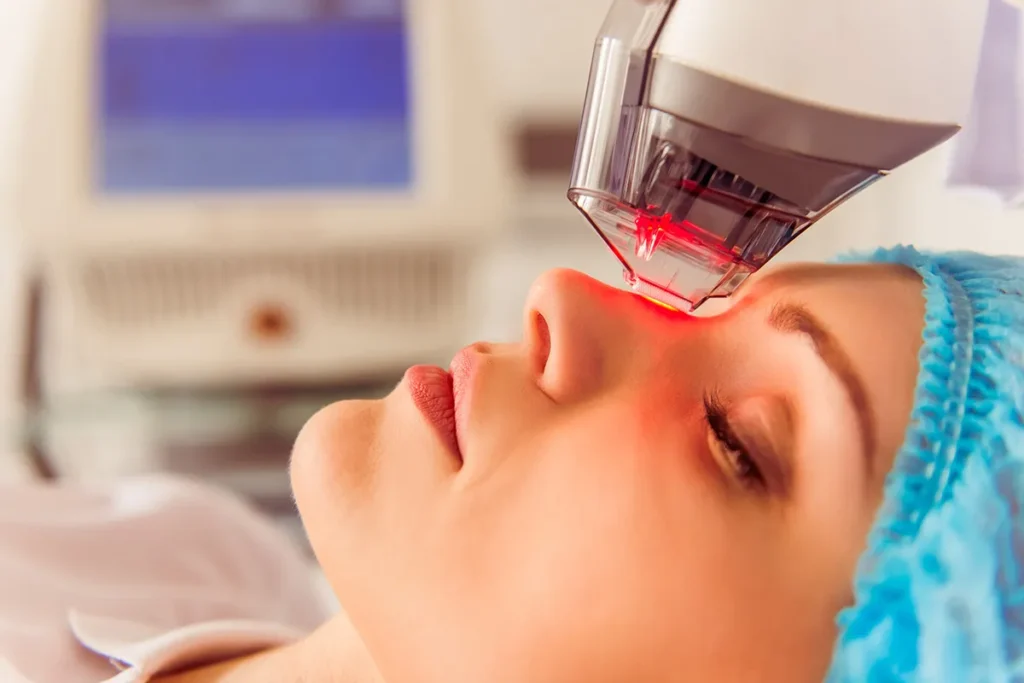
Laser therapy is a medical treatment that uses focused light to help cells heal. It also reduces inflammation and promotes new tissue growth. The LASER stands for Light Amplification by Stimulated Emission of Radiation. This makes laser light very powerful and focused.
This treatment is FDA-approved and helps with many health issues. It includes chronic pain, skin problems, and even cancer. By helping cells heal, laser therapy is a non-invasive way to find relief.
Belangrijkste opmerkingen
Laser therapy uses focused light to stimulate cellular healing and reduce inflammation.
This FDA-approved treatment is effective in treating various medical conditions.
Laser therapy is a non-invasive solution with minimal downtime.
It promotes tissue regeneration and reduces pain.
Laser therapy is a versatile treatment option with numerous benefits.
Understanding Laser Therapy: Definition and Basic Principles
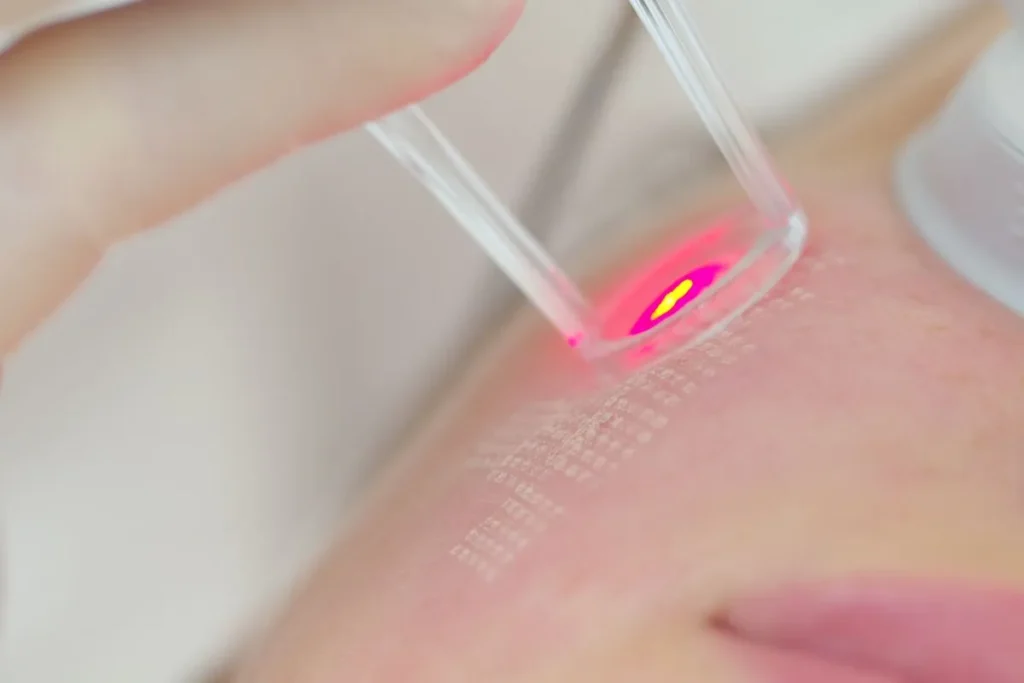
Laser therapy uses light energy to help heal and repair tissues. It’s based on physics and has become a key tool in medicine.
What LASER Stands For and How It Differs from Regular Light
LASER stands for Light Amplification by Stimulated Emission of Radiation. This shows how laser light is made, unlike regular light. Laser light is strong and focused, making it great for medical treatments.
“The precision and control offered by laser technology have revolutionized the field of medicine,” say doctors. Laser therapy can target specific areas without harming others nearby.
The Science Behind Focused Light Beams in Medicine
The science of laser therapy is based on photobiomodulation. This is when light energy helps cells repair and grow. Laser light goes deep into tissues, boosting energy in cells and helping them heal.
A laser therapist uses laser therapy. They know how to pick the right laser for each patient. The choice depends on the condition and what the patient needs.
In short, laser therapy is a smart use of light in medicine. It’s non-invasive and works well. As medicinsk laser tech gets better, it will help more people get better care.
How Laser Therapy Works in Medical Applications
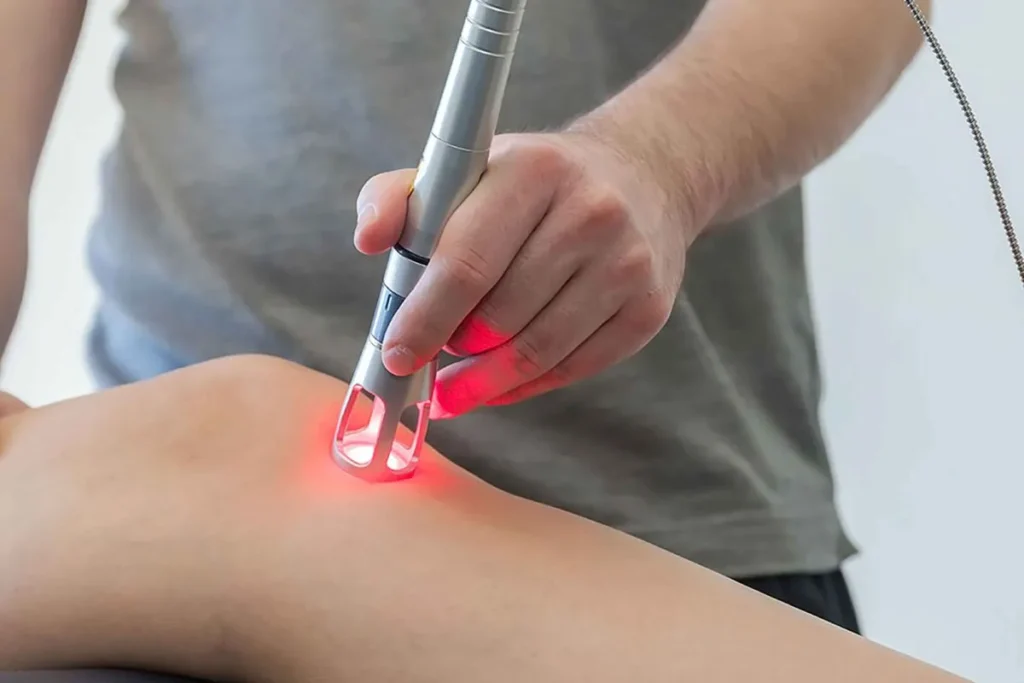
Laser therapy is a new way to heal and make tissues better. It uses light to do this without cutting. Doctors are using it more because it works well and is safe.
Laser therapy treatment works by helping cells heal. This happens through photobiomodulation. It’s when laser energy helps cells make more ATP, which helps them heal.
Photobiomodulation: The Cellular Response to Laser Energy
Laser therapy works by making cells produce more energy. This energy boost helps cells fix and grow back. It’s a key part of how laser therapy helps.
Enhanced cellular energy production
Increased protein synthesis
Verbeterde weefseloxygenatie
Modulation of inflammatory responses
This helps make laser therapy a good treatment for many health problems.
Low-Level Laser Therapy (LLLT): Applications and Benefits
Low-Level Laser Therapy (LLLT) uses low-power lasers to treat tissues safely. It’s approved by the FDA for many health issues. It’s a flexible treatment option for doctors.
The benefits of LLLT include:
Verminderde ontsteking
Accelerated tissue healing
Pain relief
Improved tissue repair
LLLT is great for treating the surface of tissues. It’s used for pain and helping wounds heal.
High-Intensity Laser Therapy (HILT): Deep Tissue Treatment
High-Intensity Laser Therapy (HILT) goes deeper into tissues than LLLT. It can reach muscles, tendons, and bones. This helps it treat deeper injuries and reduce inflammation.
The advantages of HILT include:
Deep tissue penetration
Effective pain relief
Enhanced healing of deep tissue injuries
Reduced inflammation in deep tissues
HILT is good for treating deeper tissue problems like tendinitis and ligament sprains.
Conclusion: The Therapeutic Benefits of Laser Treatment
Laser therapy is a game-changer in medicine, providing a non-invasive fix for many health issues. By learning what is a laser treatment, people can see its power. It helps reduce swelling and speeds up healing.
Studies show that medical laser treatment boosts blood flow, makes collagen, and eases pain. Laser therapies are safe and work well, leading to big changes for patients.
For the best results, getting laser therap or laser therpay from a pro is key. Home devices can’t match the precision of professional treatments.
As people look for new treatments, laser treatment is at the forefront. It’s a step towards a healthier, brighter life.
FAQ
What is laser therapy?
Laser therapy is a non-invasive treatment. It uses a focused beam of light to help heal tissues, reduce inflammation, and ease pain.
What does LASER stand for?
LASER stands for Light Amplification by Stimulated Emission of Radiation. It’s a device that produces a concentrated beam of light for medical use.
How does laser therapy differ from regular light?
Laser light is different from regular light because it’s coherent, monochromatic, and collimated. This focused beam can penetrate deep into tissue, stimulating cells.
What is photobiomodulation?
Photobiomodulation is when laser light interacts with cellular mitochondria. It stimulates cellular responses, like increased energy production and reduced inflammation.
What are the benefits of Low-Level Laser Therapy (LLLT)?
LLLT promotes tissue healing, reduces inflammation, and relieves pain. It’s used to treat chronic pain, arthritis, and soft tissue injuries.
What is High-Intensity Laser Therapy (HILT)?
HILT uses a higher intensity beam to penetrate deeper into tissue. It promotes rapid healing and pain relief, often for deeper tissue injuries and severe pain.
Is laser therapy safe?
Laser therapy is generally safe when done by a trained professional. But, there can be risks and side effects, like eye damage or skin irritation.
What can I expect during a laser therapy treatment?
A trained professional will apply a laser device to the affected area. They will deliver a specific dose of laser energy. Treatment times vary based on the condition and laser type.
How many laser therapy treatments will I need?
The number of treatments needed varies by condition and individual response. A healthcare professional can guide on the recommended treatment plan.
Can laser therapy be used in conjunction with other treatments?
Yes, laser therapy can be used with other treatments like physical therapy, medication, or surgery. A healthcare professional can help find the best treatment plan for you.
Referenties
Nationaal Centrum voor Biotechnologie-informatie. Evidence-Based Medisch Inzicht. Opgehaald van https://pubmed.ncbi.nlm.nih.gov/19941279/[web:3





