
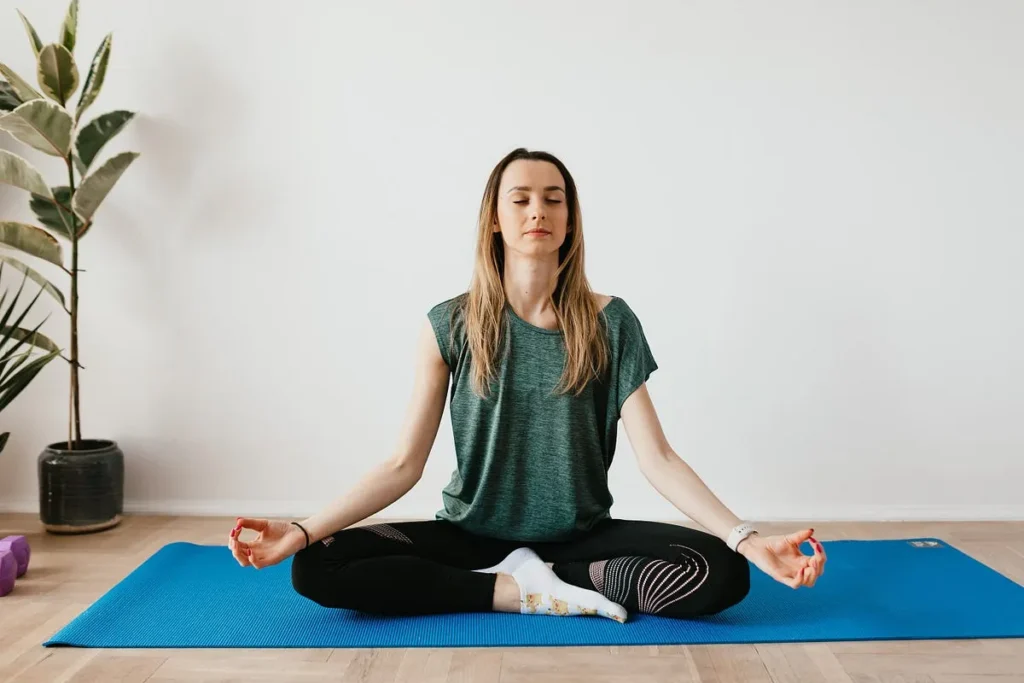
Anxiety affects millions worldwide. But, meditation techniques offer a proven pathway to relief. If you’re struggling with worry or nervousness, learning to meditate for anxiety can change your mental health. You don’t need medication for this.
Studies show that regular meditation practice can help with anxiety. It can calm the body’s stress response. This guide will teach you the basics of meditation and its benefits. It will help you manage anxiety better.
Belangrijkste opmerkingen
Discover how meditation can reduce anxiety levels by approximately 60% in 6-9 months.
Learn practical, evidence-based meditation strategies to calm the nervous system.
Understand the science behind meditation and its benefits for anxiety management.
Explore various techniques to get started on your path to inner peace.
Find out how consistent meditation practice can lead to a more balanced life.
Understanding Anxiety and the Science of Meditation
To fully grasp the benefits of meditation for anxiety, we must first understand how anxiety impacts our bodies and minds. Anxiety comes in different forms, like generalized anxiety disorder (GAD), panic disorder, and social anxiety. These can cause symptoms such as racing thoughts, tension, and trouble focusing.
The Physiological Impact of Anxiety
Anxiety sets off a chain of physical reactions, getting our body ready for the “fight or flight” response. This means our heart rate, blood pressure, and breathing speed up, and we become more aware of our surroundings. Chronic anxiety can put a lot of strain on our bodies, leading to serious health problems if not managed.
Research-Backed Benefits of Meditation
Studies have shown that meditation can help reduce anxiety. Mindfulness meditation programs have been found to improve mental health by lowering anxiety and depression symptoms. Regular meditation can also lower stress hormones like cortisol, helping us feel calmer and more balanced.
Meditation offers many benefits for anxiety, such as reducing negative thoughts, improving emotional control, and boosting our thinking abilities. By making meditation a part of our daily lives, we can better handle stress and anxiety, leading to a happier and healthier life.
Effective Meditation Techniques for Anxiety
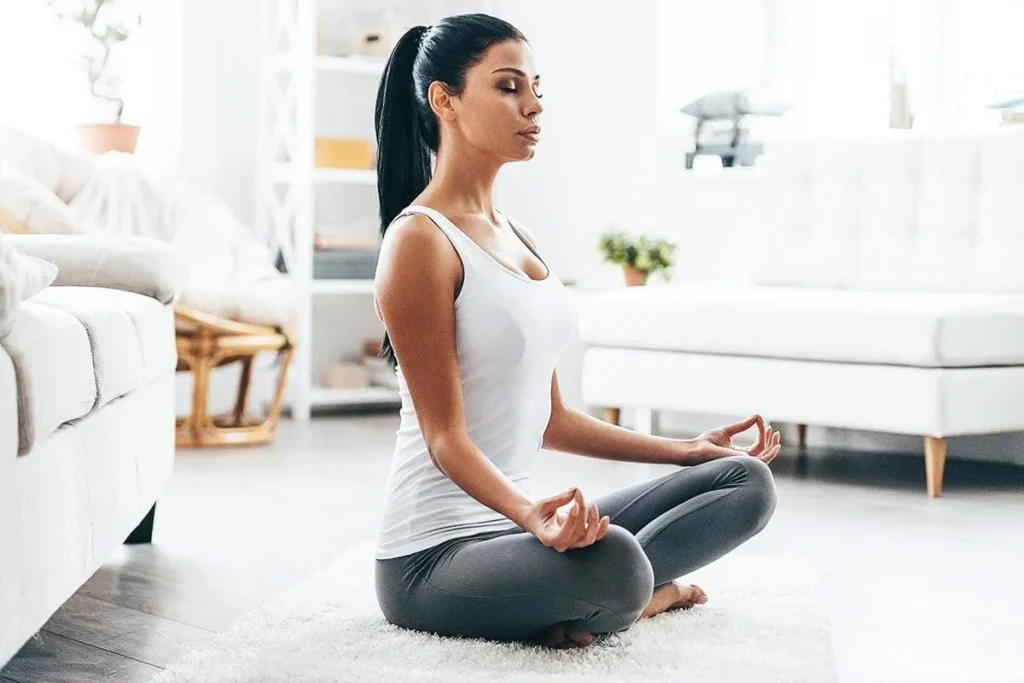
Meditation is a great way to handle anxiety. It includes mindful breathing and guided visualization. Adding these to your daily routine can lower anxiety and boost your mood.
Mindful Breathing Exercises
Mindful breathing helps ease anxiety. It calms your nervous system and cuts down stress. The SKY Breath Meditation is a good example, using breathing to soothe the mind.
To do mindful breathing, sit or lie in a quiet spot. Close your eyes and breathe deeply through your nose. Hold the breath a bit, then exhale slowly through your mouth. Keep doing this, feeling the breath move in and out.
Body Scan Meditation
Body scan meditation is great for anxiety. You lie down or sit and focus on your body, starting at your toes and going up to your head.
As you focus, let go of any tightness or pain. With each breath out, relax more. This method helps release physical tension and brings calm.
Guided Visualization for Anxiety Relief
Guided visualization is a strong tool against anxiety. It lets you imagine a peaceful place to distract you from worries.
To try it, find a quiet spot and close your eyes. Listen to a guided audio or imagine a calm scene. Use all your senses to make the scene real.
Common Challenges and How to Overcome Them
Starting with meditation can be tough, like staying focused or feeling calm. Begin with short sessions and grow them as you get better.
Be patient with yourself. Meditation takes time to master. Guided recordings can help keep you focused and on track.
Conclusion: Creating a Sustainable Daily Practice
Incorporating meditation into your daily routine can be a powerful ally in managing anxiety and depression. Regular meditation exercises for anxiety can help you feel calm and resilient. This benefits all areas of your life.
Building a meditation habit strengthens neural networks in the brain. This makes it easier to keep up with your practice over time. Start small and gradually increase your practice. The best meditation for anxiety is consistent and tailored to your needs.
By making meditation a daily habit, you unlock its full power to ease anxiety and transform your life. With patience and consistency, meditation becomes a key tool for emotional well-being and inner peace.
FAQ
What is the best meditation technique for anxiety?
For anxiety, try mindful breathing, body scan meditation, and guided visualization. These calm your nervous system, lower stress, and help you relax.
How do I start meditating with anxiety?
Start with short sessions (5-10 minutes) and focus on your breath. Use guided recordings or apps to help. Be patient and keep practicing, increasing time as you get more comfortable.
Can meditation really help reduce anxiety?
Yes, meditation can reduce anxiety by promoting relaxation and emotional balance. Regular practice can significantly lower anxiety and improve mental health.
What are some common challenges faced during meditation, and how can I overcome them?
Challenges include a restless mind and physical discomfort. To overcome them, be patient and gentle with yourself. Use guided meditations and incorporate deep breathing or progressive muscle relaxation.
How often should I meditate to see results in reducing anxiety?
To reduce anxiety, meditate daily, even for just a few minutes. Consistency is key to a successful practice and its benefits.
Can I use meditation as a replacement for my anxiety medication?
Meditation is a powerful tool for anxiety, but always consult a healthcare professional before changing your treatment. It can complement traditional treatments but should not replace them without professional advice.
What are some tips for maintaining a consistent meditation practice?
Start small and be patient. Make meditation a daily habit by incorporating it into your routine. Try meditating at the same time each day, use a meditation app, or find a meditation buddy for motivation.
Referenties
Nationaal Centrum voor Biotechnologie-informatie. Evidence-Based Medisch Inzicht. Opgehaald van https://pmc.ncbi.nlm.nih.gov/articles/PMC9819153





