
Methamphetamine use can cause skin problems, like sores and lesions on the face. These meth sores show the harm the drug can do. They are a clear sign of substance abuse.
The look of meth sores can change. They might be red and swollen or open and scabby. They often show up around the mouth and cheeks. Knowing what these sores look like helps us spot meth use in family and friends.
Looking at the sores caused by meth helps us understand addiction better. It shows us the psychological and physical effects of the drug.
Belangrijkste opmerkingen
Meth sores can appear as red, inflamed patches or open wounds on the face.
These sores are often found around the mouth and cheeks.
Understanding meth sores is essential for recognizing meth use.
Methamphetamine-induced skin lesions can be a visible indicator of substance abuse.
Recognizing the signs of meth use can help in providing effective support and treatment.
Understanding Methamphetamine-Induced Skin Lesions
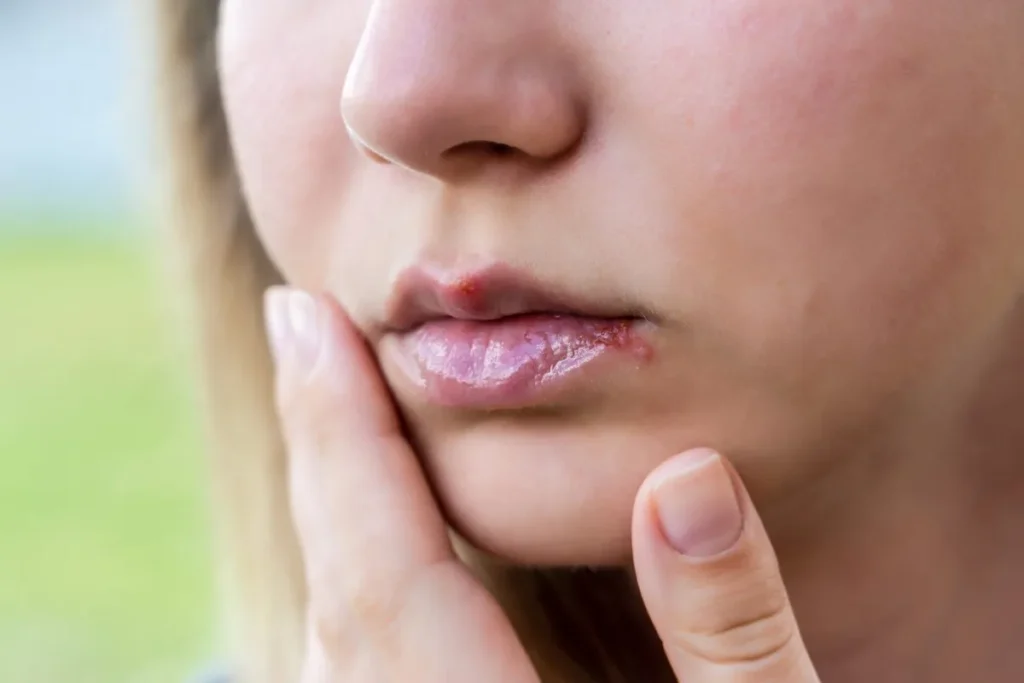
It’s important to know how methamphetamine affects skin health, like meth sores face. Meth use can cause many skin problems. This is because it changes how the body works and feels.
How Meth Affects Skin Health
Meth changes how the body works, affecting skin health. It messes with brain areas important for healing and skin health. This can cause meth skin rash and other skin problems.
The drug makes it hard for the body to heal and keep skin healthy. Users often don’t wash well or eat right. This makes skin issues worse.
Why Facial Areas Are Commonly Affected
Facial areas are often hit by methamphetamine-induced skin lesions. This is because of a feeling called formication. Users feel like bugs are under their skin, making them scratch a lot.
Also, people often touch and pick at their face. This leads to sores and lesions. Poor hygiene, drug chemicals, and picking behaviors all play a part in meth sores face.
Does does meth cause acne? Meth can lead to skin issues, including acne. This is because it messes with hormones and skin health.
Identifying Meth Blisters Face and Other Sores
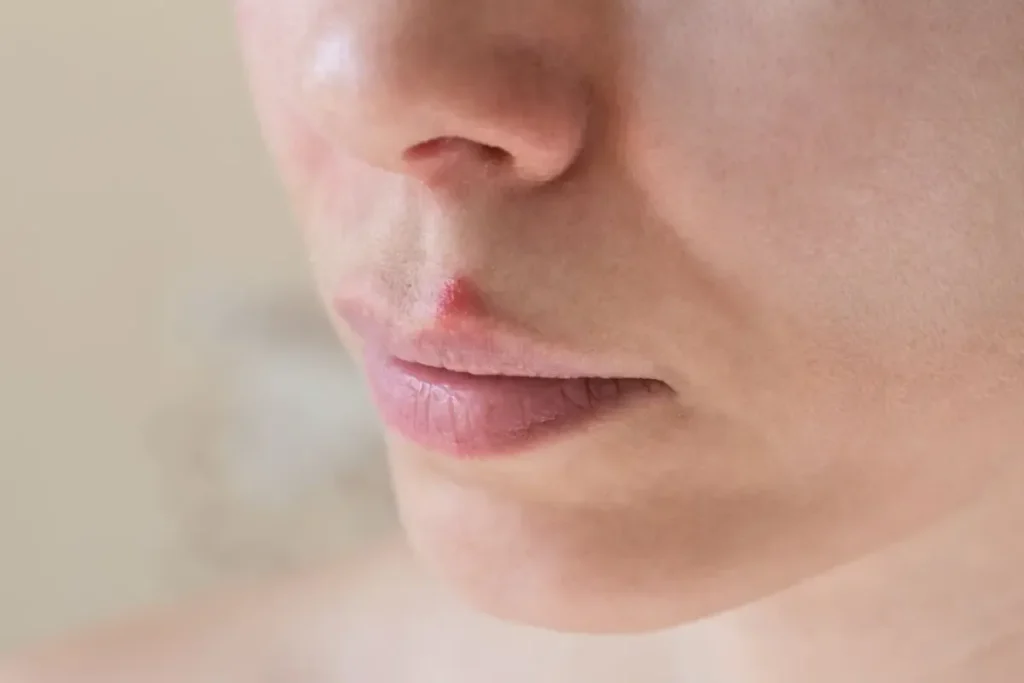
It’s important to know how to spot meth blisters on the face. Meth sores can look different, so it’s key to know what to look for. This helps us understand how serious the meth use is.
Early Signs and Initial Appearance
Meth sores start as small red dots or scratches. They might look like minor skin problems at first. But, they can grow into bigger issues. Spotting them early is critical to avoid more harm.
At first, you might see:
Small red or pink spots
Mild abrasions or scratches
Minor blisters or pimples
Advanced Stages and Infected Sores
As someone keeps using meth, these signs can get worse. The sores can become infected, causing bigger health problems. Picking at the skin or poor hygiene can lead to infection, making things worse.
Later stages might include:
Large, open wounds
Pus-filled sores
Scabbing or crusting over the affected area
— Medical Expert, Addiction Specialist
Common Locations on the Face
Meth sores often show up on the face, in easy-to-reach spots. They tend to appear:
Knowing how meth sores look and grow is key. It helps us spot people struggling with meth addiction. This way, we can offer the right help.
Mechanisms Behind Meth-Induced Skin Damage
Methamphetamine use causes skin damage through several ways. These include formication, chemical irritation, and weakening the immune system. These effects harm the skin’s health.
Formication and Compulsive Picking (“Meth Mites”)
Formication is a key factor in meth-induced skin damage. It makes users feel like bugs are under their skin. This feeling, known as “meth mites,” leads to picking and scratching.
These actions can cause sores and infections. A doctor says, “The feeling of bugs under the skin is common. It leads to severe skin picking.”
Medical Professional
Chemical Irritation from Drug Excretion
Methamphetamine is removed from the body through the skin. This process irritates the skin, causing lesions and other skin problems. The chemicals in methamphetamine can damage skin cells.
Burns from Smoking Paraphernalia
Meth users smoke the drug, which can burn their lips, mouth, and fingers. These burns can be serious and may get infected. This adds to the skin problems caused by methamphetamine.
Severe burns on the lips and mouth
Increased risk of infection
Potential for long-term scarring
Immune System Suppression and Poor Hygiene
Methamphetamine use weakens the immune system. This makes users more likely to get infections. Also, drug users often don’t practice good hygiene, which increases the risk of skin infections.
Poor hygiene and a weakened immune system make infections more likely.
The combination of formication, chemical irritation, burns, and immune system suppression causes skin problems in meth users. Knowing these causes is key to finding effective treatments.
Conclusion: Distinguishing Meth Sores from Other Skin Conditions
It can be hard to tell meth sores from other skin issues. But knowing the signs of methamphetamine-induced skin problems is key. Meth sores on the face often look different and are found in certain spots.
They might look like acne, but other signs like compulsive picking and poor hygiene are clues. These signs point to meth sores. Spotting them is important for treating and helping those addicted to meth.
Knowing what meth sores are and how to spot them helps doctors and people get help. With the right treatment, those struggling with meth addiction can get better and live a healthier life.
FAQ
What do meth sores look like on the face?
Meth sores on the face look like red, inflamed, or open wounds. They might have a crusty or scabby texture. This happens because users feel like insects are crawling under their skin, leading to compulsive picking or scratching.
What are the early signs of meth sores?
Early signs include redness, itching, and a feeling of insects crawling under the skin. As it gets worse, sores can become inflamed, crusty, or scabby.
Can meth cause acne or other skin problems?
Yes, using meth can cause skin problems like acne, sores, and lesions. It can irritate the skin, weaken the immune system, and lead to poor hygiene, all causing skin issues.
How can you distinguish meth sores from other skin conditions?
Meth sores can be told apart by their look, location, and pattern. They often show up on the face, like the cheeks, forehead, and chin. They’re also linked to other signs of meth use, like bad hygiene or dental problems.
What is formication, and how does it contribute to meth sores?
Formication makes users feel like insects are crawling under their skin. This leads to compulsive picking or scratching, causing sores, lesions, and skin damage. This is more common on the face and other easily reached areas.
Can meth sores be treated, and how?
Yes, meth sores can be treated with antibiotics, wound cleaning, and dressing. It’s also key to tackle the addiction to prevent more damage and improve health.
Are meth sores a sign of methamphetamine use?
Yes, meth sores are a common sign of meth use. They’re often seen with other addiction signs, like bad hygiene, dental issues, or changes in behavior.
Can meth sores be prevented?
Yes, preventing meth sores means avoiding meth use and treating addiction. Good skin care, hygiene, and medical treatment can also help keep the skin healthy.
Referenties
Nationaal Centrum voor Biotechnologie-informatie. Evidence-Based Medisch Inzicht. Opgehaald van https://pubmed.ncbi.nlm.nih.gov/18768232/