
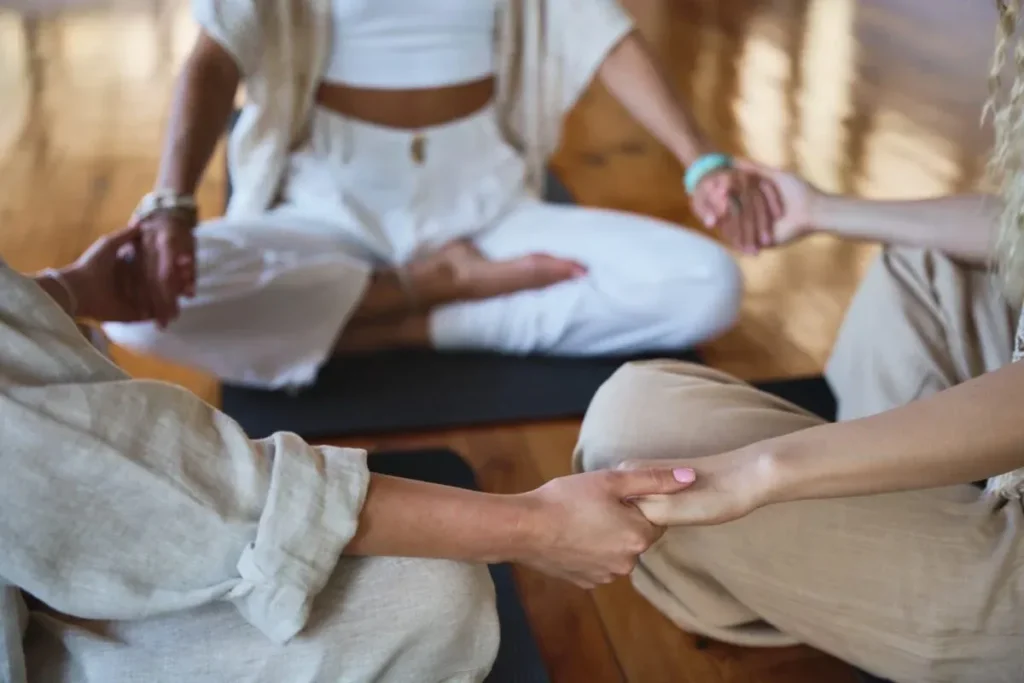
In today’s fast world, adults often face stress, anxiety, and trouble focusing. But, research shows a simple way to help. Mindfulness practices as short as 10 minutes a day can make a big difference.
Studies show that adding meditation activities to your day can cut down depression by almost 20 percent. It also boosts your brain’s sharpness. At GoldCity Center, we believe in more than just treating sickness. We focus on preventing it with new wellness methods.
By doing mindful activities, adults can help their brain clear out waste. This leads to better health overall. Our goal is to help people manage their mental health with easy yet powerful mindfulness exercises.
Belangrijkste opmerkingen
Reduce depression by nearly 20 percent with daily mindfulness practices
Enhance cognitive sharpness and focus
Stimulate the brain’s natural waste-removal systems
Improve overall wellbeing
Empower individuals to take control of their mental health
The Science-Backed Benefits of Mindfulness
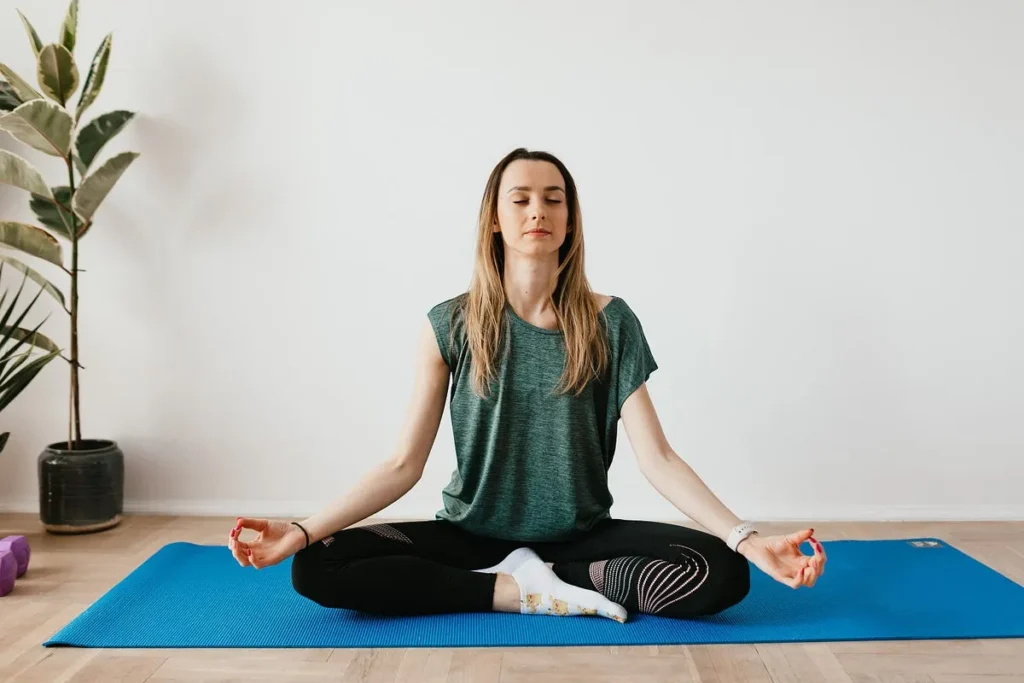
Recent studies have shown that mindfulness can change mental health for the better. It helps reduce stress and anxiety and boosts overall wellbeing. This practice is getting more attention as research digs deeper into its effects.
Recent Research Findings (2024-2025)
Studies from 2024 and 2025 have found more evidence of mindfulness benefits. They show that it can lower depression and anxiety. It also helps with emotional control and mental health.
Key findings include:
A 2024 study in the Journal of Clinical Psychology found mindfulness helps with depression and anxiety in chronic pain patients.
A 2025 meta-analysis in the Journal of Mindfulness Research found mindfulness improves emotional control and reduces stress.
Neurological Changes from Regular Practice
Regular mindfulness practice changes the brain in big ways. It makes the brain thicker and more connected. These changes help with better focus and emotional control.
Some of the key neurological changes include:
More grey matter in brain areas for attention and emotional control.
Better connection between brain regions for smoother communication.
Less activity in the default mode network for less mind-wandering and better focus.
Understanding mindfulness benefits helps people decide to make it part of their daily life. It’s a powerful tool for calm and focus in our busy world.
15 Effective Mindfulness Activities for Adults
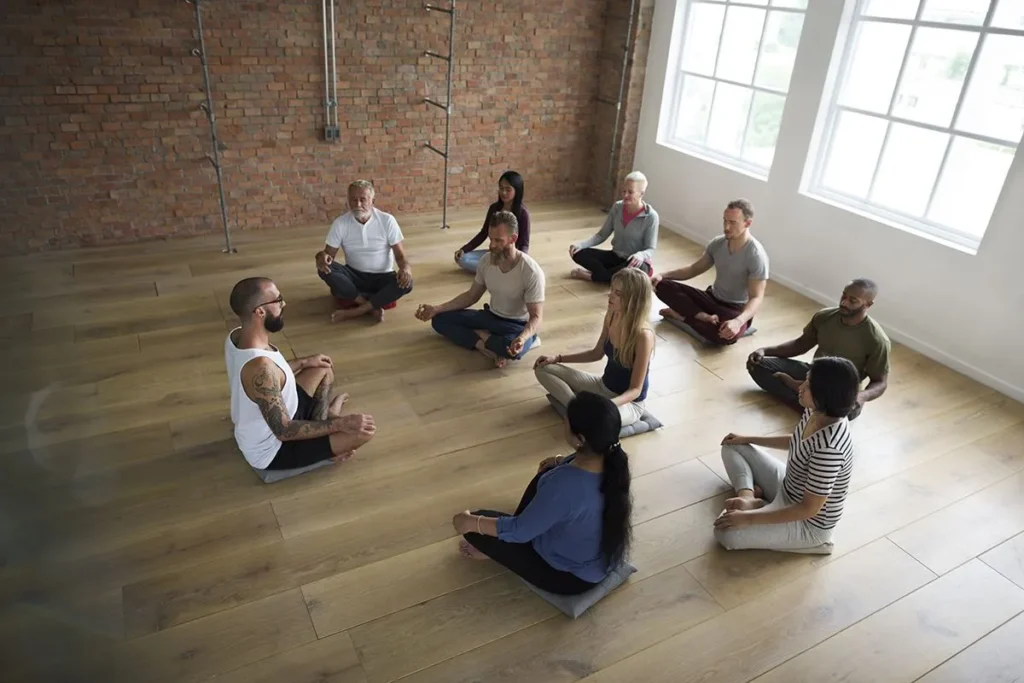
Discover the transformative power of mindfulness with our curated list of 15 effective activities. They bring calm and clarity to your daily life. Mindfulness is a powerful tool that can help adults navigate the stresses of modern life, improve mental clarity, and enhance overall well-being.
Quick Breathing Exercises
Breathing exercises are a fundamental aspect of mindfulness practice. They help calm the mind and reduce stress. Here are a few techniques to get you started:
Diaphragmatic Breathing: Focus on expanding your belly as you inhale, allowing your diaphragm to drop. This type of breathing engages your parasympathetic nervous system, promoting relaxation.
4-7-8 Breathing: Inhale through your nose for a count of 4, hold your breath for 7, and exhale through your mouth for 8. This technique can help slow down your heart rate and induce a state of calm.
Body-Focused Mindfulness Practices
Body-focused mindfulness practices help you cultivate awareness of your physical presence. These exercises can be beneficial for reducing tension and improving body image.
Body Scan Meditation: Lie down or sit comfortably, and bring your attention to different parts of your body, starting from your toes and moving up to the top of your head. Notice any sensations, tension, or relaxation.
Mindful Walking: Pay attention to your walking, noticing the sensation of your feet touching the ground, the movement of your legs, and the rhythm of your breath. This practice can help you connect with your body and the present moment.
Sensory Awareness Exercises
Sensory awareness exercises encourage you to engage with your surroundings more fully. They foster a deeper appreciation for the present moment.
Mindful Eating: Eat slowly, savoring each bite. Pay attention to the flavors, textures, and aromas of your food. This practice can help you enjoy your meals more and develop a healthier relationship with food.
Sensory Exploration: Choose an object, such as a fruit or a flower, and examine it closely. Notice its color, shape, texture, and any scent it may have. This exercise can help you cultivate a greater sense of awareness and appreciation for the simple things in life.
Mental Focus and Clarity Activities
Mental focus and clarity activities are designed to improve concentration and mental agility. These exercises can be beneficial for adults looking to enhance their cognitive function.
Focused Attention Meditation: Concentrate on a single point, such as your breath or a mantra. When your mind wanders, gently bring your attention back to the chosen focus. This practice can help improve your ability to concentrate and reduce mind-wandering.
Gratitude Journaling: Take a few minutes each day to write down things you are grateful for. Reflecting on the positive aspects of your life can help shift your focus away from stress and anxiety, promoting a more balanced mental state.
By incorporating these 15 mindfulness activities into your daily routine, you can cultivate a greater sense of calm, clarity, and overall well-being. Whether you’re looking to reduce stress, improve your focus, or simply enjoy the present moment more fully, mindfulness offers a powerful toolkit for achieving your goals.
Conclusion: Creating a Sustainable Daily Mindfulness Routine
Starting a mindfulness habit can change your life, bringing calm and focus into your day. Adding mindfulness to your daily life can greatly improve your mental and emotional health.
To keep up with mindfulness, make it a regular part of your day. Begin with short exercises like breathing or noticing your senses. Over time, you can add mindfulness to your favorite activities.
Good mindfulness isn’t about doing more. It’s about being fully present in important moments. This way, you can feel more connected and clear, handling life’s ups and downs better.
On your mindfulness path, aim for inner peace and awareness that grows with you. By making mindfulness a daily habit, you’ll become more mindful and resilient.
FAQ
What are mindfulness activities?
Mindfulness activities help you stay aware and calm. They focus on the present moment. This improves your daily life and makes you glow.
How do mindfulness activities benefit adults?
They reduce stress and improve mental clarity. This leads to a beauty that shines from within.
What are some examples of mindfulness activities?
Examples include quick breathing exercises and body-focused practices. There are also sensory exercises and activities that improve mental focus. These practices bring calm and focus.
How can I incorporate mindfulness into my daily routine?
Start with short practices like daily meditation or mindful breathing. Gradually add more activities. This makes mindfulness a part of your daily life.
What are the benefits of regular mindfulness practice?
It reduces stress and improves mental health. It also increases focus. This gives you an edge in life.
Can mindfulness activities be done anywhere?
Yes, you can do them anywhere, anytime. They’re perfect for busy adults who want calm and clarity on-the-go.
How do mindfulness activities affect the brain?
They positively change the brain. This leads to better mental health, focus, and well-being. You’ll glow from within.
Are mindfulness activities suitable for all ages and skin types?
Yes, they’re for adults of all ages and backgrounds. They promote universal beauty and radiance.
Can mindfulness activities be combined with other relaxation techniques?
Yes, you can mix them with meditation and deep breathing. This creates a powerful self-care routine.
How can I make mindfulness a habitual practice?
Start by adding it to your daily routine. Do it right after waking up or before bed. Make it a part of your luxury lifestyle.
What is the best time to practice mindfulness activities?
Practice when you’re most relaxed and focused. It could be in the morning or evening. Choose a time that works for you.
Can mindfulness activities help with stress and anxiety?
Yes, they’re very effective in reducing stress and anxiety. They promote calm and well-being. This boosts your confidence and inner glow.
Referenties
Nationaal Centrum voor Biotechnologie-informatie. Evidence-Based Medisch Inzicht. Opgehaald van https://pmc.ncbi.nlm.nih.gov/articles/PMC4365440/





