
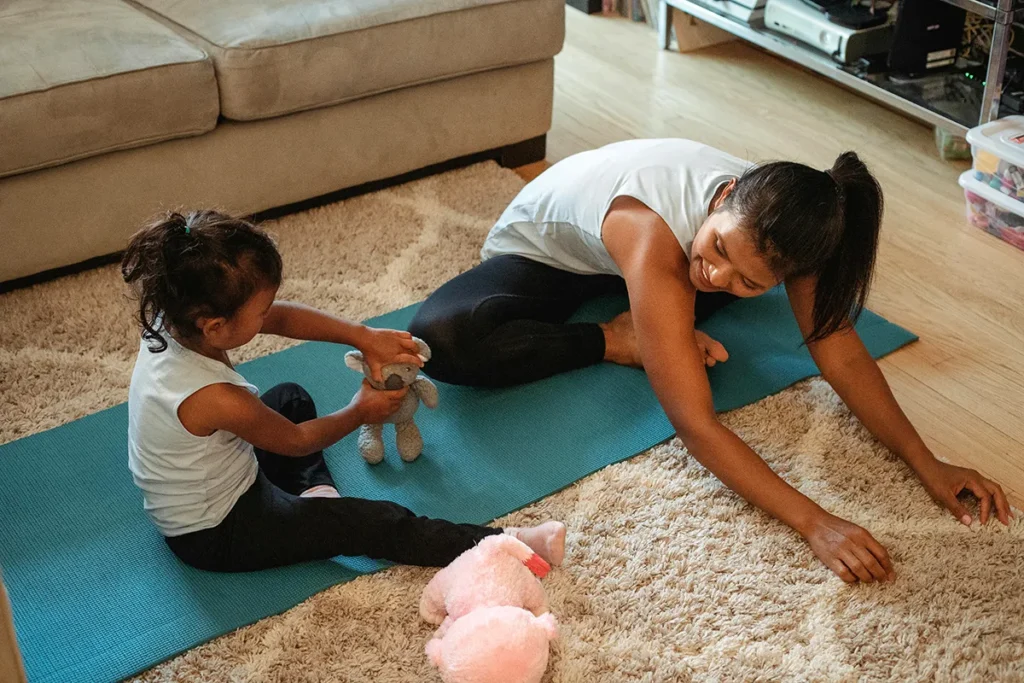
In today’s fast world, teenagers face a lot of stress and anxiety. School, social media, and friends can be too much. But, mindfulness practices can help them deal with these issues and grow stronger emotionally.
Studies show that mindfulness activities for teens can really help with stress and anxiety. By adding teenage mindfulness activities to their day, teens can live healthier and more balanced lives. This leads to better mental health and overall wellness.
Belangrijkste opmerkingen
Mindfulness practices can reduce stress and anxiety in teenagers.
Introducing mindfulness activities can improve mental well-being.
Teenage mindfulness activities promote emotional resilience.
Mindfulness exercises can be adapted for daily routines.
Regular mindfulness practice can lead to a healthier lifestyle.
Understanding the Benefits of Mindfulness for Teens

Teenagers face many challenges during their preteen and teenage years. Mindfulness is a key tool for improving their mental health. It helps them deal with stress and anxiety better.
Mindfulness helps teens stay in the present moment. This makes them more resilient and better equipped to handle life’s pressures.
Research-Backed Evidence on Teenage Mental Health
Studies show mindfulness is good for teens’ mental health. It can lower depression, anxiety, and stress. It also boosts empathy and optimism.
Mindfulness helps teens manage their emotions. It makes them more aware of their thoughts and feelings. This way, they can handle tough situations better.
How Mindfulness Reduces Stress and Anxiety in Adolescents
Mindfulness is great for reducing stress and anxiety in teens. Techniques like mindful breathing and body scan calm their minds and bodies. This leads to relaxation and less feeling overwhelmed.
By making mindfulness a part of their daily lives, teens can develop better coping skills. This improves their overall well-being. It helps them face adolescence’s challenges with more ease and strength.
Effective Mindfulness Exercises for Teenagers

Mindfulness exercises help teens become more aware of themselves and their feelings. By doing these exercises every day, they can handle the ups and downs of growing up better.
Mindful Breathing Techniques
Mindful breathing is key for teens. It helps calm the mind and lowers stress. To do it, sit comfortably with your eyes closed and focus on your breath.
Tips for Practicing Mindful Breathing:
Find a quiet and comfortable space to sit or lie down.
Close your eyes and take slow, deep breaths.
Focus on the sensation of the breath in your nostrils or the rise and fall of your chest.
Body Scan and Present Moment Awareness
The body scan is a great exercise for teens. It helps them notice their body’s feelings. Lie down or sit comfortably and focus on each part of your body, from toes to head.
This practice helps in releasing physical tension and promoting relaxation.
Guided Visualization for Emotion Regulation
Guided visualization uses images to create a calm place. Teens can listen to recordings or imagine a safe space. This helps them feel better and less anxious.
Benefits of Guided Visualization:
Reduces stress and anxiety.
Improves emotional regulation.
Enhances focus and concentration.
By trying these mindfulness exercises, teens can learn more about themselves. They can also handle stress and emotions better. Encourage them to try different methods to find what works best for them.
Teaching Strategies for Introducing Mindfulness to Teens
Introducing mindfulness to teens requires understanding their perspective and using the right tools. Educators need to find strategies that connect with this age group. This makes mindfulness valuable for teenagers.
Overcoming Initial Resistance and Skepticism
Teens often doubt new practices, like quiet reflection or meditation. To win them over, start with activities that grab their attention and matter to them. For example, mindful Monday activities for students can be a good fit for school settings.
Interactive and fun mindfulness exercises, like mindful walking or listening, work well. They make teens see mindfulness as something enjoyable and practical.
Creating a Supportive Practice Environment
A supportive space is key for teens to practice mindfulness. Create a quiet, comfy area for mindfulness. Make sure it’s free from distractions and promotes relaxation.
Also, using technology and apps can improve the mindfulness experience. There are many apps for teens with guided meditations and exercises tailored for them.
Using Technology and Apps as Teaching Aids
Technology is a great tool for teaching mindfulness to teens. Mindfulness apps and online resources offer teens easy and engaging ways to practice mindfulness.
Apps like Headspace and Calm have guided meditations for teenagers to help with stress and anxiety. These tools can help make mindfulness a daily habit for teens.
Conclusion: Fostering Long-Term Mindfulness Practice in Teenagers
Starting a mindfulness practice can greatly improve teenagers’ well-being. By adding mindfulness exercises to their daily lives, teens can deal with life’s stress better. They also learn to manage their emotions more effectively.
Mindfulness activities for kids can be made for teens too. This helps them grow in self-awareness. They can then make better choices and stay positive.
Helping teens develop mindfulness is key to their mental health. It makes them more resilient and confident. Encouraging mindfulness in teens is a smart move for their future. It helps them find happiness and self-discovery for life.
Veelgestelde vragen
What are the benefits of teaching mindfulness exercises to teenagers?
Teaching mindfulness to teens helps them manage stress and anxiety. This leads to a healthier life. Mindfulness reduces stress and anxiety in teens. It also improves their mental health and self-awareness.
What are some effective mindfulness exercises for teenagers?
Effective exercises for teens include mindful breathing, body scan, and guided visualization. These help teens become more self-aware and emotionally regulated.
How can I make mindfulness practices engaging and relevant to teenagers?
To engage teens, use technology and apps. Create a supportive environment. Overcome their initial skepticism. Make it fun with games and guided meditations.
What are some mindfulness activities suitable for middle school students?
Activities for middle schoolers include mindful walking and listening. Try body scan, guided meditations, and yoga. These activities help them stay present.
How can I help teenagers develop a consistent mindfulness practice?
Encourage teens to start small and be consistent. Make mindfulness a habit. Provide resources like apps and guided meditations.
What are some mindfulness techniques for kids that can be adapted for teenagers?
Adapted techniques for teens include mindful coloring and storytelling. Try body scan and mindful breathing exercises. These help teens stay present.
How can mindfulness practices benefit teenagers in the long term?
Mindfulness benefits teens long-term by reducing stress and anxiety. It improves mental health and self-awareness. By practicing daily, teens can transform their lives for the better.
Referenties
Nationaal Centrum voor Biotechnologie-informatie. Evidence-Based Medisch Inzicht. Opgehaald van https://pmc.ncbi.nlm.nih.gov/articles/PMC8701759/