Millions of people worldwide struggle with depression. While prescription antidepressants are common, research shows other ways can help too. These alternatives offer hope for many.
Natural remedies for depression provide powerful results. Explore these amazing, drug-free alternatives to reclaim your happy and healthy life.
Recent studies found that about 11.3% of people have mild depression, 4.2% have moderate, and 3.3% have severe symptoms. A study of 64 alternative treatments found some work as well as prescription drugs.
More people are looking for effective alternatives to traditional antidepressants. Options like saffron, St. John’s Wort, probiotics, and vitamin D are showing promise. They might help ease depressive symptoms.
Belangrijkste opmerkingen
Depression affects a significant portion of the global population.
Alternative therapies can provide comparable relief to prescription antidepressants.
Several natural treatments have shown promise in alleviating depressive symptoms.
Exploring alternative options can empower individuals to manage their mental health.
Reducing reliance on prescription medication can minimize side effects.
Depressie begrijpen en zoeken naar alternatieven
Depression affects about 18.4% of adults in the United States. This is why people are looking for non-drug treatments. Depression is a complex issue that affects not just individuals but also society.
Depressiestatistieken en -impact
Depression is a big public health problem. It has serious effects on people’s lives. It costs the U.S. economy over $200 billion each year.
Depression also hurts a person’s daily life and relationships. It makes it hard to function and connect with others.
“Depression is a silent epidemic, often hidden behind the masks people wear.” This quote shows how important it is to find ways to manage depression. It’s not just a personal issue but a problem for society too.
Why People Seek Alternatives to Conventional Antidepressants
Many people want to try other treatments because of antidepressant side effects. They are looking for natural ways to feel better.
Some reasons for this include:
The risk of side effects from antidepressants
The wish for a treatment that fits them better
The need for treatments that help the whole person, not just symptoms
Als
puts it, looking for alternative treatments is about wanting to be well overall. It’s about improving life quality.
7 Effective Natural Remedies for Depression Backed by Research
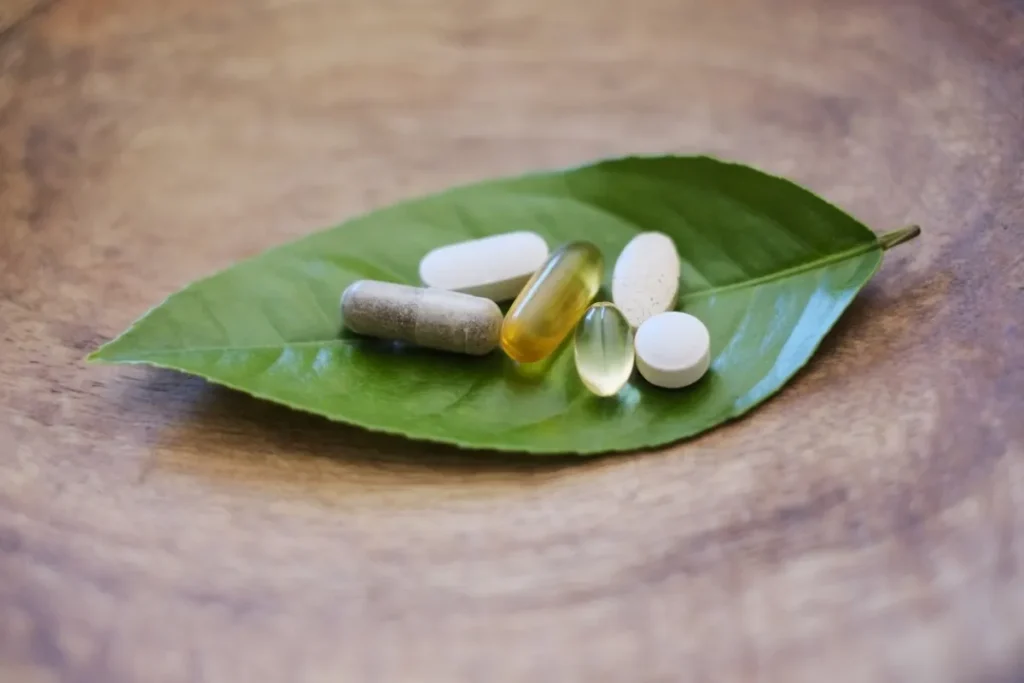
Nature has given us many ways to fight depression. Recent studies have found some natural remedies that work well. It’s important to look at the evidence for these natural methods.
1. St. John’s Wort: The Herbal Antidepressant
St. John’s Wort has been used for centuries. Modern studies show it can help with depression. It works as well as some antidepressant drugs for mild to moderate depression.
The active parts of St. John’s Wort, like hyperforin and hypericin, help with depression. They affect neurotransmitters, which are important for mood.
2. Saffron: A Promising Mood Enhancer
Saffron is known for its flavor and mood-boosting effects. A study of seven trials found that saffron can help with depression. It’s thought to work by affecting serotonin levels, like some antidepressants.
3. Probiotics: The Gut-Brain Connection
The link between the gut and brain is being studied for depression. Probiotics help the gut and might help with depression. Some probiotics can improve mood and thinking, which is promising for treating depression.
4. Vitamin D Supplementation
Vitamin D is important for mental health. Not having enough vitamin D can lead to depression. Vitamin D supplements may help with depression, mainly in those who are deficient.
These natural remedies are good alternatives or additions to traditional antidepressants. As research grows, people with depression may find new ways to manage their condition.
Conclusion: Creating a Holistic Approach to Depression Management
Managing depression is a journey that needs a full plan. Using natural remedies, changing your lifestyle, and trying alternative therapies can help. This way, you can play a big part in getting better.
Looking into non-medical treatments like exercise and meditation is key. So is trying things like acupuncture and music therapy. These can be great additions to your treatment plan.
Working with doctors, you can make a plan that fits you. This approach lets you take charge of your mental health. It helps you live a more balanced and happy life.
Choosing a holistic way to manage depression is about getting well in all ways. It means using treatments for depression and anxiety together. This way, you can reach your full recovery and live well.
FAQ
What are some natural alternatives to antidepressants for depression?
Natural alternatives include St. John’s Wort, saffron, probiotics, and vitamin D. Research supports their use in treating depression.
Are there any alternative treatments for depression that don’t involve medication?
Yes, treatments like therapy, exercise, mindfulness, and meditation are effective. They can be used with natural remedies for a holistic approach.
Can natural remedies for depression be used in conjunction with conventional antidepressants?
Using natural remedies with antidepressants is possible. But, always consult a healthcare professional first. They can ensure the treatment is safe and effective.
What are some non-medical treatments for depression that have shown promise?
Non-medical treatments include cognitive-behavioral therapy and lifestyle changes. Regular exercise, healthy sleep, and a balanced diet are also beneficial.
Are there any alternative therapies for depression that can help alleviate symptoms?
Yes, therapies like acupuncture, yoga, and mindfulness-based stress reduction help. They can be part of a complete treatment plan.
Can vitamin D supplementation help alleviate depressive symptoms?
Vitamin D may help with depression, mainly in those with low levels. It’s key to keep vitamin D levels up for mental health.
How do probiotics impact mental health, and can they be used to treat depression?
Probiotics positively affect mental health by influencing the gut-brain axis. They might help with depression, but more research is needed.
Referenties
National Center for Biotechnology Information. Evidence-Based Medical Insight. Retrieved from https://pmc.ncbi.nlm.nih.gov/articles/PMC5871211/