
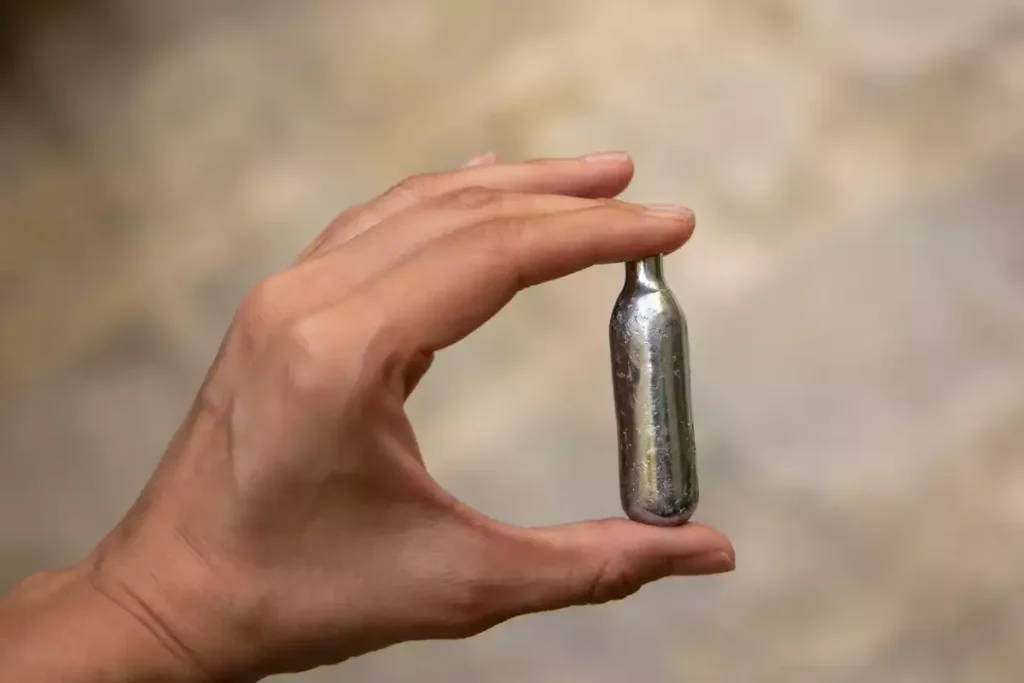
Het gebruik van lachgas baart steeds meer zorgen. Het is een grote zorg voor tieners en jonge volwassenen. Mensen denken dat het veilig is, maar het kan echt schadelijk zijn voor je hersenen, hart en geest als je het te veel gebruikt.
De National Survey on Drug Use and Health van 2023 heeft een groot probleem gevonden. Meer dan 13 miljoen Amerikanen hebben lachgas geprobeerd voor hun plezier. Helaas is het aantal sterfgevallen door lachgas tussen 2019 en 2023 met meer dan 110 procent gestegen. Het is belangrijk om te weten over lachgasverslaving om dit probleem te helpen stoppen.
Belangrijkste opmerkingen
Het misbruik van lachgas is een belangrijk probleem geworden voor de volksgezondheid in de Verenigde Staten.
Meer dan 13 miljoen Amerikanen hebben in hun leven lachgas misbruikt.
Frequent gebruik kan leiden tot ernstige neurologische, cardiovasculaire en psychiatrische complicaties.
Het aantal doden door lachgasvergiftigingen is tussen 2019 en 2023 dramatisch gestegen.
Inzicht in de symptomen en effecten is essentieel voor een effectieve behandeling.
Inzicht in lachgas en de toenemende verspreiding ervan

Lachgas is een stof met zowel goede als slechte kanten. Het wordt gebruikt in de geneeskunde, maar ook misbruikt voor de lol. Lachgas wordt al tientallen jaren gebruikt in de geneeskunde en tandheelkunde.
Wat is lachgas en het legitieme gebruik ervan
Lachgas is een gas dat ruikt en er niet uitziet. Het geeft mensen een blij en ontspannen gevoel. Artsen en tandartsen gebruiken het om patiënten te helpen minder pijn te voelen tijdens procedures.
Hier zijn enkele belangrijke toepassingen:
De alarmerende toename van recreatief gebruik
Lachgas wordt ook voor de lol gebruikt, meestal door tieners en jongvolwassenen. Het is gemakkelijk te vinden, vaak in slagroomautomaten of online. Dit heeft het populairder gemaakt.
Lachgas gebruiken voor je plezier kan heel gevaarlijk zijn. Het kan je hersenen beschadigen en tot verslaving leiden. We moeten de risico's kennen om misbruik te stoppen.
Lachgasverslaving: Ontwikkeling en herkenning

Lachgasverslaving ontstaat door de manier waarop het de hersenen beïnvloedt en gebruikers laat denken dat het veilig is. Lachgas wordt gebruikt vanwege de vrolijke effecten. Maar door het vaak te gebruiken, kunnen mensen er afhankelijk van worden.
Effecten op de hersenen
Lachgas verandert het zuurstofniveau in de hersenen, wat zowel korte- als langetermijneffecten veroorzaakt. Bij inademing onttrekt het zuurstof aan de longen, wat schadelijk kan zijn voor de hersenen. Dit kan mensen een gelukkig gevoel geven, maar kan ook schade aan de hersenen en het zenuwstelsel veroorzaken.
Zuurstoftekort is een grote zorg. Te veel of te vaak gebruiken kan erg gevaarlijk zijn. Het kan ook de manier veranderen waarop mensen dingen zien, voelen en denken, waardoor het een stof is met een hoog risico op misbruik.
Misvattingen over veiligheid
Hoewel lachgas wordt gebruikt in de geneeskunde en tandheelkunde, denken mensen dat het veilig is voor de lol. Maar het gebruik voor je plezier kan riskant zijn en tot verslaving leiden. De overtuiging dat het veilig is komt van het legale gebruik in de geneeskunde, maar dat betekent niet dat het oké is om het voor de lol te gebruiken.
Tekenen van afhankelijkheid
Het is belangrijk om de tekenen van lachgasverslaving vroeg te herkennen. Mensen die eraan verslaafd zijn, kunnen:
Meer van de stof nodig hebben om hetzelfde effect te voelen
Zich ziek voelen als ze proberen te stoppen of minder te gebruiken
Belangrijke dingen negeren vanwege de stof
Blijf het gebruiken, zelfs als het problemen veroorzaakt
Deze tekenen betekenen dat iemand hulp nodig heeft. Het kennen van de gevaren van lachgas en het herkennen van verslavingsverschijnselen zijn belangrijke stappen om dit probleem aan te pakken.
Gevaarlijke effecten van chronisch lachgasmisbruik
Langdurig gebruik van lachgas kan schadelijk zijn voor je hersenen, hart en geest. Het kan ernstige en blijvende schade veroorzaken. Het is belangrijk om de gevaren te kennen.
Neurologische complicaties
Lachgas kan je hersenen en ruggenmerg beschadigen. Het doet dit door vitamine B12 weg te nemen, wat belangrijk is voor je zenuwstelsel.
Je kunt je gevoelloos voelen, tintelingen krijgen of spierkrampen. Als deze problemen niet worden behandeld, kunnen ze verergeren en erg lastig zijn om mee om te gaan.
Cardiovasculaire en respiratoire effecten
Langdurig gebruik van lachgas kan je hart en longen beschadigen. Het kan je het gevoel geven dat je hart op hol slaat en je kans op een hartaanval vergroten.
Het kan ook moeilijk zijn om te ademen en andere longproblemen veroorzaken. De risico's voor je hart en longen zijn ernstig en kunnen dodelijk zijn.
Psychologische en psychiatrische gevolgen
Chronisch lachgasgebruik kan ook schadelijk zijn voor je geest. Het kan leiden tot depressie, angst en zelfs psychose. Het kan de kwaliteit van je leven sterk beïnvloeden.
Het is belangrijk om op tekenen van geestelijke afhankelijkheid te letten en hulp te zoeken. Er zijn behandelingen beschikbaar en hulp krijgen is de sleutel tot beter worden.
Kortom, langdurig gebruik van lachgas kan ernstige gevolgen hebben voor je gezondheid. Kennis van deze risico's is belangrijk voor preventie en behandeling.
Behandelopties en herstel van lachgasverslaving
Herstellen van een lachgasverslaving is een reis die een volledige aanpak vereist. Het omvat medische zorg, begeleiding en steungroepen. Eerst wordt er ontgift, daarna volgt therapie om de onderliggende oorzaken aan te pakken.
Behandelingsprogramma's voor misbruik geven mensen de middelen om verslaving te overwinnen. Ze helpen mensen een gezond, stralend leven te leiden zonder lachgas. Herstel is een persoonlijke groei die mensen hun leven laat verbeteren en schoonheid en luxe laat vinden.
De juiste behandeling en ondersteuning helpen mensen om van hun lachgasverslaving af te komen. Ze richten zich op bewezen methoden en voortdurende ondersteuning. Op deze manier kunnen mensen een leven leiden vol licht en vrij van de gevaren van lachgas.
FAQ
Wat zijn de tekenen en symptomen van lachgasverslaving?
Tekenen van lachgasverslaving zijn onder andere dat je meer nodig hebt om hetzelfde effect te voelen en dat je je misselijk voelt als je stopt. Je kunt ook belangrijke taken negeren en blijven gebruiken, zelfs als het pijn doet. Lichamelijke tekenen zijn gevoelloosheid, spierkrampen en hartproblemen.
Is lachgas verslavend?
Ja, lachgas kan erg verslavend zijn. Veel of langdurig gebruik kan je lichamelijk en geestelijk afhankelijk maken.
Wat zijn de effecten van chronisch lachgasmisbruik?
Langdurig gebruik van lachgas kan ernstige problemen veroorzaken. Deze omvatten gevoelloosheid, spierkrampen, depressie en zelfs psychose.
Kan lachgasverslaving worden behandeld?
Ja, de behandeling van lachgasverslaving is mogelijk. Het omvat medische hulp, begeleiding en deelname aan steungroepen.
Wat zijn de risico's van recreatief lachgasgebruik?
Lachgas gebruiken voor je plezier kan gevaarlijk zijn. Het kan je zuurstof afsluiten, je hartslag en bloeddruk verhogen. Het kan ook je hersenen en geest op lange termijn beschadigen.
Welk effect heeft lachgas op de hersenen?
Lachgas verandert het zuurstofniveau in de hersenen. Dit kan kortstondige gevoelens van geluk en verwarring veroorzaken. Maar het kan ook leiden tot ernstige hersenbeschadiging.
Kun je verslaafd raken aan lachgas?
Ja, het is mogelijk om verslaafd te raken aan lachgas. Veel gebruik kan je lichamelijk en geestelijk afhankelijk maken.
Hoe verloopt een behandeling voor lachgasverslaving?
De behandeling voor lachgasverslaving bestaat meestal uit medische zorg, begeleiding en steungroepen. Het helpt bij zowel lichamelijke als geestelijke afhankelijkheid.
Wat zijn de langetermijneffecten van lachgasmisbruik?
Langdurig misbruik van lachgas kan ernstige problemen veroorzaken. Deze omvatten hersenbeschadiging, hartproblemen en geestelijke gezondheidsproblemen zoals depressie en psychose.
Hoe kan ik de tekenen van lachgasverslaving bij iemand anders herkennen?
Om lachgasverslaving bij iemand anders te herkennen, moet je letten op veranderingen in hun gedrag. Dit omvat geheimzinnig doen, belangrijke taken verwaarlozen en fysieke tekenen zoals gevoelloosheid of spierkrampen.
Referenties
JAMA-netwerk. Evidence-Based Medisch Inzicht. Opgehaald van https://jamanetwork.com/journals/jamanetworkopen/fullarticle/2836925[5





