
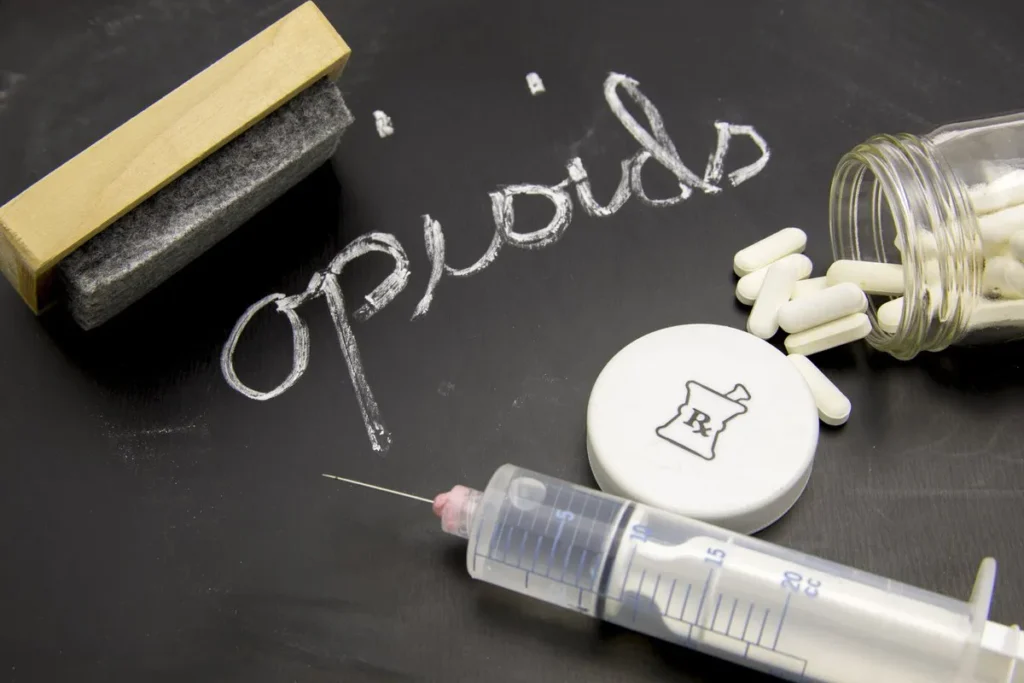
Understanding opioid agonist therapy is key in fighting the opioid crisis. It’s a proven treatment that helps those struggling with opioid addiction.
An opioid agonist is a drug that works with opioid receptors in the brain. When used right, it can greatly help patients. It cuts down on withdrawal symptoms and cravings.
Opioid agonist therapy (OAT) helps manage withdrawal and cravings. It’s a full treatment for opioid use disorder. It lets people take back control of their lives.
Belangrijkste opmerkingen
Opioid agonist therapy is a highly effective treatment for opioid use disorder.
Medications like methadone and buprenorphine are used in OAT to manage withdrawal symptoms.
OAT is a full approach that empowers individuals to regain control over their lives.
Proper medical supervision is key for opioid agonist therapy success.
OAT reduces withdrawal symptoms and cravings, improving patient outcomes.
Understanding Opioid Agonists and Their Function

Opioid agonists are drugs that activate opioid receptors in the brain. They help manage opioid dependence and chronic pain. Knowing how they work helps us see their benefits.
Definition and Mechanism of Action
An opioid agonist is a drug that binds to opioid receptors in the brain. It fully or partially activates them. This is key for reducing withdrawal symptoms and cravings in those with opioid use disorder.
The mechanism of action involves the agonist binding to mu-opioid receptors. These receptors are main targets for opioid drugs.
Activating these receptors helps ease opioid withdrawal. This makes it easier for people to manage their condition. Opioid agonists mimic opioids, reducing withdrawal discomfort.
Full vs. Partial Opioid Agonists
Opioid agonists come in two types: full opioid agonists and partial opioid agonists. Full agonists, like methadone, fully activate opioid receptors. They provide a strong effect, useful in opioid agonist therapy to reduce cravings and withdrawal symptoms.
Partial agonists, like buprenorphine, only partially activate receptors. They have a ceiling effect, meaning there’s no more effect beyond a certain dose. This makes them safer from overdose risk compared to full agonists.
Medical Uses of Opioid Agonist Therapy
Opioid agonist therapy is key in treating opioid use disorder and chronic pain. It uses medicines that activate opioid receptors in the brain. This helps reduce withdrawal symptoms and cravings.
Pain Management Applications
Opioid agonist therapy is used for chronic pain that other treatments can’t manage. Methadone and buprenorphine are common medicines in OAT. They help manage pain and lower the chance of opioid misuse by giving a steady dose.
The table below shows how methadone and buprenorphine differ in pain management:
Treatment for Opioid Use Disorder
OAT is vital in treating opioid use disorder (OUD). It reduces withdrawal symptoms and cravings. This helps people live more stable and productive lives.
Buprenorphine-naloxone combination is special. It prevents misuse by causing withdrawal if injected. This makes it safer.
The Public Health Impact of OAT
Opioid agonist therapy has a huge public health impact. It lowers opioid-related overdose deaths and improves treatment success. Studies show more OAT access leads to fewer opioid deaths.
OAT’s benefits go beyond helping individuals. It also reduces societal and economic costs of opioid misuse.
Opioid Agonist Treatment Options and Administration
Recovering from opioid addiction involves several paths, including opioid agonist therapy. This method is known for its success in treating opioid use disorder.
Methadone Treatment Programs
Methadone has been key in treating opioid addiction for years. Methadone treatment programs offer a safe place for people to manage their addiction.
Methadone clinics provide daily doses under watchful eyes, helping patients stick to their treatment.
These programs also offer counseling and support, meeting patients’ full needs.
The aim is to lessen withdrawal symptoms and cravings, helping patients live more stable lives.
Buprenorphine and Naloxone Combinations
Buprenorphine, paired with naloxone, is a powerful tool against opioid addiction. This mix is known for making it harder to misuse.
Naloxone in the mix stops the drug from being injected, cutting down on abuse. This therapy comes in forms like sublingual films and tablets.
Treatment Settings and Access
Where you get opioid agonist treatment can differ a lot. Specialized clinics and office-based settings are main places for care.
Specialized clinics offer a wide range of services, including medical care, counseling, and support.
Office-based settings provide a more personal and sometimes easier-to-reach care option for patients.
It’s important to make these treatments more available, and efforts to do so are ongoing.
It’s key to improve access to opioid agonist treatment to tackle the opioid crisis. Knowing the different treatment options and settings helps healthcare providers support recovery better.
Conclusie
Opioid agonist therapy is key in treating opioid use disorder. It offers many effective ways to help. Knowing about opioid agonists helps people make better choices for their care.
Therapies like methadone and buprenorphine have shown great results. They help lower the chance of overdose. These options are found in many places, making it simpler to get the help needed.
Using opioid agonist therapy can help people manage their recovery. It leads to a healthier, more balanced life. With the right treatment, beating opioid use disorder is possible and people can thrive.
FAQ
What is an opioid agonist?
An opioid agonist is a medication that works like opioids, such as morphine or heroin. It binds to opioid receptors in the brain. These medications are used to treat opioid use disorder and manage withdrawal symptoms.
What is opioid agonist therapy (OAT)?
Opioid agonist therapy (OAT) uses medications like methadone or buprenorphine to treat opioid use disorder. It helps reduce withdrawal symptoms, cravings, and the chance of relapse.
What is the difference between full and partial opioid agonists?
Full opioid agonists, like methadone, fully activate opioid receptors, producing a strong effect. Partial opioid agonists, such as buprenorphine, activate receptors partially, leading to a weaker effect. Partial agonists have a lower risk of overdose and dependence.
What are the benefits of opioid agonist treatment?
Opioid agonist treatment has many benefits. It reduces withdrawal symptoms, cravings, and relapse risk. It also improves treatment outcomes, lowers opioid-related deaths, and enhances quality of life.
How is opioid agonist therapy administered?
Opioid agonist therapy is given in clinics, hospitals, and private practices. Treatment includes daily doses, counseling, and monitoring. This ensures safe and effective treatment.
What is the role of methadone in OAT?
Methadone is a full opioid agonist used in OAT for opioid use disorder. It’s given daily in a clinic setting, under medical supervision.
What is buprenorphine, and how is it used in OAT?
Buprenorphine is a partial opioid agonist used in OAT for opioid use disorder. It’s often mixed with naloxone to prevent misuse. Buprenorphine can be prescribed in an office setting, making treatment more accessible.
Can opioid agonist therapy be used for pain management?
Yes, opioid agonist therapy can be used for pain management, mainly for chronic pain. But its main use is in treating opioid use disorder.
Is opioid agonist therapy effective in reducing opioid-related deaths?
Yes, opioid agonist therapy is effective in reducing opioid-related deaths. It manages withdrawal symptoms, reduces cravings, and lowers relapse risk.
Referenties
Nationaal Centrum voor Biotechnologie-informatie. Evidence-Based Medisch Inzicht. Opgehaald van https://pubmed.ncbi.nlm.nih.gov/24755207/