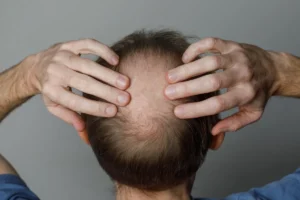

Stopping smoking cold turkey is tough. Your body goes through big changes. When you stop using nicotine suddenly, your brain and body face temporary issues.
Stopping nicotine right away makes you feel very strong cravings. You might also feel mood swings and get easily upset. Studies show that heavy smokers face worse symptoms than light smokers. Even though these feelings are hard, they don’t harm your health.
Knowing what to expect can help you get ready to be smoke-free. The hardest time is usually the first week, but days 3 through 5 are the worst.
Belangrijkste opmerkingen
Quitting smoking cold turkey triggers significant withdrawal symptoms.
Common symptoms include intense nicotine cravings and mood disturbances.
Heavy smokers experience more pronounced withdrawal symptoms.
Nicotine withdrawal is uncomfortable but not dangerous.
The first week is the most challenging period.
Understanding Nicotine Withdrawal When Quitting Cold Turkey

Quitting smoking cold turkey changes your body in many ways. Nicotine withdrawal happens when your body misses nicotine. It causes physical and emotional symptoms. Knowing about nicotine withdrawal is key for those trying to quit smoking.
Tijdlijn van ontwenningsverschijnselen
Nicotine withdrawal starts 4 to 24 hours after you stop smoking. It usually gets worse around day 3. Symptoms can last 3 to 4 weeks, but some people may feel them longer.
The first 72 hours are usually the toughest. You might feel very physical and emotional symptoms. Everyone is different, but knowing the general timeline helps.
Why the First Week Is Most Challenging
The first week without smoking is very hard. You might feel intense cravings, mood disturbances, and irritability. These are just some of the symptoms.
This week is not just about physical symptoms. It’s also about adjusting to life without nicotine. Remember, these symptoms are temporary and will go away.
Knowing about withdrawal symptoms and the first week’s challenges helps you prepare. This knowledge lets you make better choices and find support. It increases your chances of quitting smoking for good.
7 Common Side Effects of Quitting Smoking Suddenly
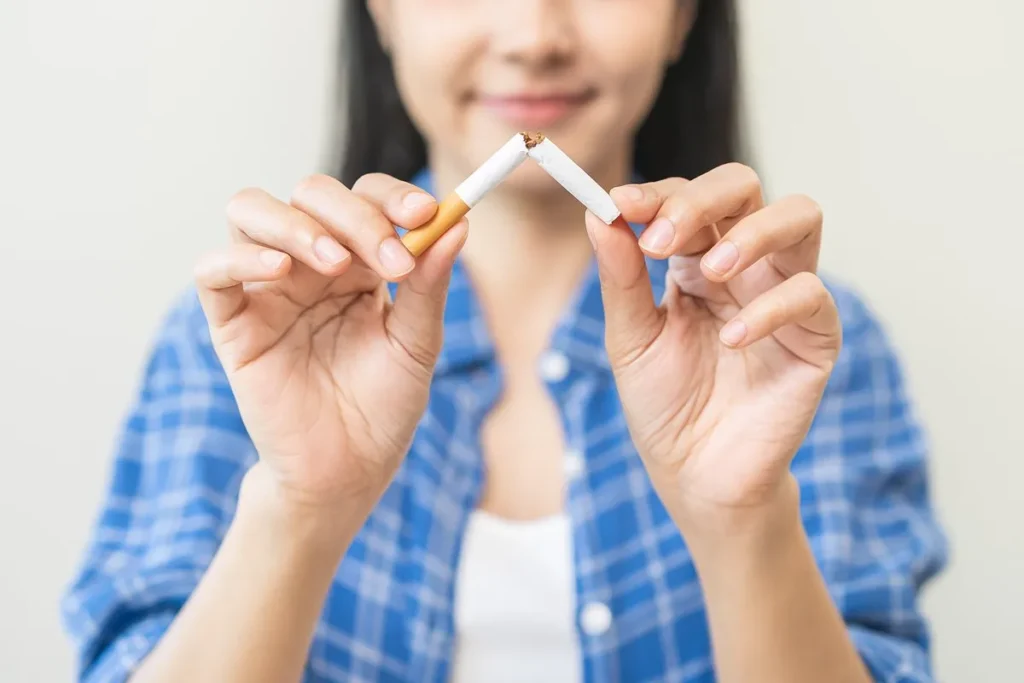
Quitting smoking cold turkey can be tough. Knowing the side effects helps prepare and manage them better.
1. Intense Nicotine Cravings
Craving nicotine is a big challenge right away. Nicotine cravings can feel overwhelming. They often happen in certain situations or when you feel certain emotions. Drinking water, using nicotine replacement therapy, or finding ways to relax can help.
2. Mood Disturbances: Anxiety and Depression
Quitting smoking can also affect your mood. You might feel anxiety and depression because of the lack of nicotine. Staying active, eating well, and talking to loved ones or professionals can help.
3. Irritability and Restlessness
Feeling irritable and restless is common when you stop smoking. These feelings are your body’s reaction to not having nicotine. Trying relaxation methods like deep breathing or meditation can help calm you down.
4. Sleep Problems and Insomnia
Stopping smoking can mess with your sleep. This might lead to insomnia or other sleep issues. Try going to bed and waking up at the same time every day. Avoid caffeine and screens before bed, and make your bedroom comfy.
Knowing these side effects and how to deal with them can make quitting smoking easier. It helps you move towards a healthier, smoke-free life.
Conclusion: Managing Withdrawal for Successful Smoking Cessation
Quitting smoking is tough, but it’s doable with the right plan. Knowing the side effects of quitting, like strong cravings and mood swings, is key. It helps you stay on track.
Good tips for quitting include using nicotine patches, talking to a counselor, and changing your lifestyle. These steps help manage withdrawal symptoms. For example, using different nicotine products together can work better. Also, getting help from professionals can offer extra support.
For help with tobacco withdrawal, call the SAMHSA hotline at 800-662-4357 or the 988 Suicide & Crisis Lifeline at 988. For more tips on quitting, check out Medical News Today. With the right information and support, you can live a healthier, smoke-free life.
FAQ
What are the common side effects of quitting smoking suddenly?
Common side effects include intense cravings for nicotine. You might also feel anxious, depressed, irritable, restless, and have trouble sleeping.
How long do nicotine withdrawal symptoms last?
Symptoms usually peak around day 3. They can last for weeks, with the first week being the toughest.
Can quitting smoking cold turkey cause anxiety?
Yes, quitting cold turkey can lead to anxiety. It’s a part of the nicotine withdrawal symptoms.
Is it normal to feel tired after giving up smoking?
Yes, feeling tired is common after quitting. It’s because your body is adjusting to not having nicotine.
Are there any long-term benefits to quitting smoking?
Yes, quitting has many long-term benefits. Your heart rate and blood pressure return to normal within 20 minutes. Carbon monoxide levels also return to normal after 12 hours.
What can I do to manage nicotine cravings?
To manage cravings, stay hydrated and be active. You can also use nicotine replacement therapy or prescription medications.
Can quitting smoking affect my sleep?
Yes, quitting can cause sleep problems and insomnia. These are part of the withdrawal symptoms.
Is it dangerous to quit smoking cold turkey?
Quitting cold turkey is usually safe for most people. But, it can be tough due to the strong withdrawal symptoms.
How can I manage mood disturbances after quitting smoking?
To manage mood changes, stay connected with friends and family. Try stress-reducing activities. If needed, seek professional help.
Referenties
National Center for Biotechnology Information. Evidence-Based Medical Insight. Retrieved from https://pubmed.ncbi.nlm.nih.gov/11068118/