
Stopping alcohol cold turkey can be risky. It might lead to serious withdrawal symptoms.
A better way is alcohol tapering. It’s a slow, guided way to cut down on alcohol. This lets your body adjust without too many problems.
With a doctor’s help, you can slowly wean off alcohol. This lowers the chance of bad withdrawal symptoms.
This article will show you how to taper alcohol at home. It’s all about getting professional help and following a safe detox plan.
Belangrijkste opmerkingen
Understand the risks of quitting alcohol cold turkey.
Learn the benefits of tapering off alcohol under medical supervision.
Get a step-by-step guide on how to safely detox from alcohol at home.
Discover the importance of professional care in alcohol tapering.
Find out how to minimize complications during the detox process.
Understanding Alcohol Withdrawal and Its Risks
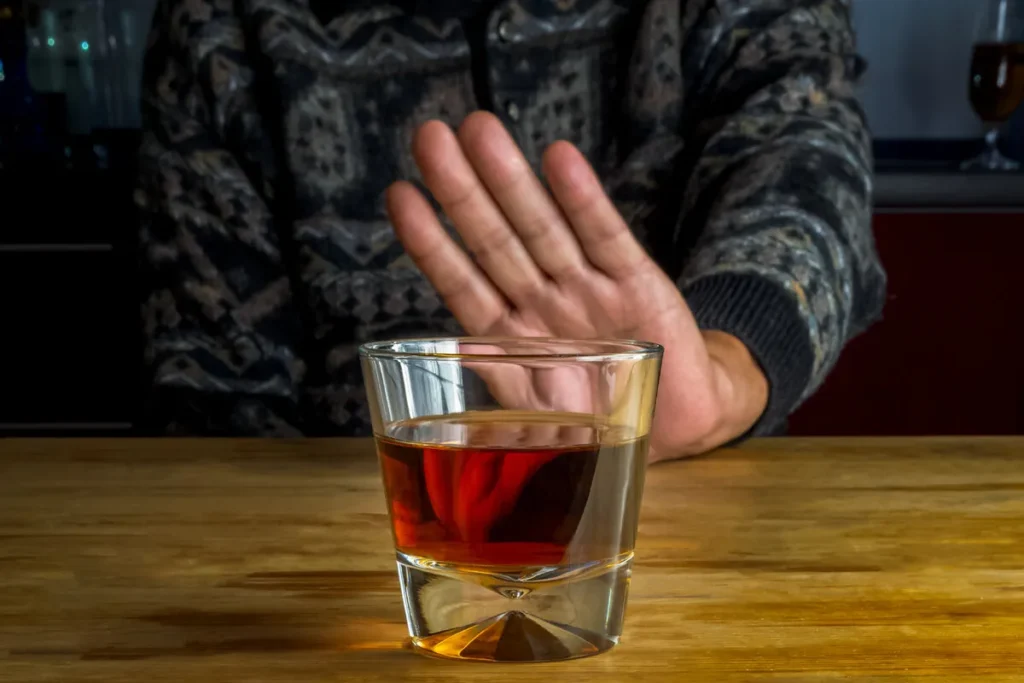
Alcohol withdrawal is often misunderstood, but it’s key to a safe recovery. It happens when the body, used to alcohol, suddenly stops getting it. This can cause symptoms from mild anxiety to severe seizures and delirium tremens.
The Science Behind Alcohol Dependence
Alcohol dependence is complex and affects the brain. Drinking alcohol changes the brain’s chemistry, impacting neurotransmitters like GABA and glutamate. GABA helps calm the brain, while glutamate makes it more active.
When you stop drinking, glutamate’s activity increases. This makes the brain overactive, leading to withdrawal symptoms.
Dangers of Quitting Cold Turkey
Stopping alcohol cold turkey is risky and can be deadly for some. The severity of withdrawal depends on how dependent you are. Those with a high dependence face severe symptoms like seizures and delirium tremens.
These symptoms are so dangerous that you need medical help to detox safely.
Who Should Not Attempt Home Tapering
Home tapering works for some, but not everyone. If you’ve had severe withdrawal before, are highly dependent, or have other health issues, you should get medical help. The table below shows who needs medical supervision.
Knowing the risks and how alcohol affects the brain is vital for a safe tapering plan. Medical professionals can help ensure a successful recovery.
Tapering Off Alcohol: Creating Your Step-by-Step Plan

To taper off alcohol, you need a plan that fits your needs. This plan will help you slowly cut down on drinking. It aims to reduce withdrawal symptoms and boost your recovery chances.
Calculating Your Current Consumption Baseline
The first step is to figure out how much you drink now. Track your alcohol intake for a week or two. Note the type, amount, and time of day. This info will guide your tapering plan.
You can use a log or a mobile app to track your drinking. For example, if you average 10 beers a day, that’s your baseline.
Implementing the 10% Reduction Method
After finding your baseline, start tapering off with the 10% method. Cut your daily drinking by 10% every four days. So, if you drink 10 beers a day, you’ll drink 9 for the next four days, then 8.1, and so on.
Example Tapering Schedule:
Day 1-4: 10 beers/day
Day 5-8: 9 beers/day
Day 9-12: 8.1 beers/day
Essential Supplements and Hydration Support
While tapering, support your body with key supplements and water. Vitamin B complex and magnesium can ease withdrawal symptoms. Drinking lots of water is also important.
Medication Options for Managing Withdrawal Symptoms
For severe symptoms, medication might be needed. Talk to a healthcare professional about the right medication and dosage. Benzodiazepines are often used for severe symptoms.
Conclusion: Maintaining Your Progress After Tapering
Keeping up with progress after tapering off alcohol is key for lasting sobriety. Taking steps to taper off alcohol is a big move towards a better life. It’s important to keep going with the right strategies.
Quitting alcohol slowly is often safer than stopping suddenly. This method lowers the risk of bad withdrawal symptoms.
Having a support system is critical to stay sober. This can be through counseling, support groups, or therapy. These places offer a safe space to share and get advice on overcoming hurdles.
Learning to quit alcohol safely is just the start. Staying sober takes constant effort and dedication.
Adding healthy habits and strategies to avoid relapse to your daily routine can help a lot. It’s about building a balanced life that boosts your overall health. With the right attitude and support, living without alcohol can be a reality.
FAQ
What is alcohol tapering, and why is it important?
Alcohol tapering means slowly cutting down on drinking to avoid harsh withdrawal. It’s key for those who rely heavily on alcohol. Quitting suddenly can cause serious health risks.
How do I know if I should taper off alcohol or quit cold turkey?
If you drink a lot or for a long time, tapering is safer. Quitting suddenly is risky, more so if you’ve had withdrawal before or have had seizures or delirium tremens.
What is the 10% reduction method, and how does it work?
The 10% method means cutting your daily drink by 10% every few days. This slow decrease helps your body adjust, reducing withdrawal symptoms.
What supplements and hydration support are essential during the tapering process?
Drinking lots of water is key during tapering. You might also need vitamin B1, magnesium, and potassium to handle withdrawal and stay healthy.
Can I use medication to manage withdrawal symptoms during tapering?
Yes, doctors can prescribe meds like benzodiazepines for withdrawal. But, always follow your doctor’s advice and avoid self-medication to avoid more problems.
Is it better to wean off alcohol slowly or quit cold turkey?
For those dependent on alcohol, tapering off slowly is safer and more effective. It reduces the risk of severe withdrawal and makes detox easier.
How can I stay sober after tapering off alcohol?
Staying sober needs ongoing support like counseling and therapy. It’s also important to find healthy ways to cope, avoid triggers, and stay connected with others to avoid relapse.
What are the benefits of tapering off alcohol under medical supervision?
Tapering under a doctor’s watch is safer and more guided. Doctors can track your progress, manage symptoms, and offer support for a successful recovery.
Can I taper off alcohol at home, or do I need to seek professional help?
You can try tapering at home, but getting professional help is safer, more so if you drink a lot or have had bad withdrawal before. Medical help ensures a safe recovery.
Referenties
National Center for Biotechnology Information. Evidence-Based Medical Insight. Retrieved from https://www.ncbi.nlm.nih.gov/books/NBK441882/